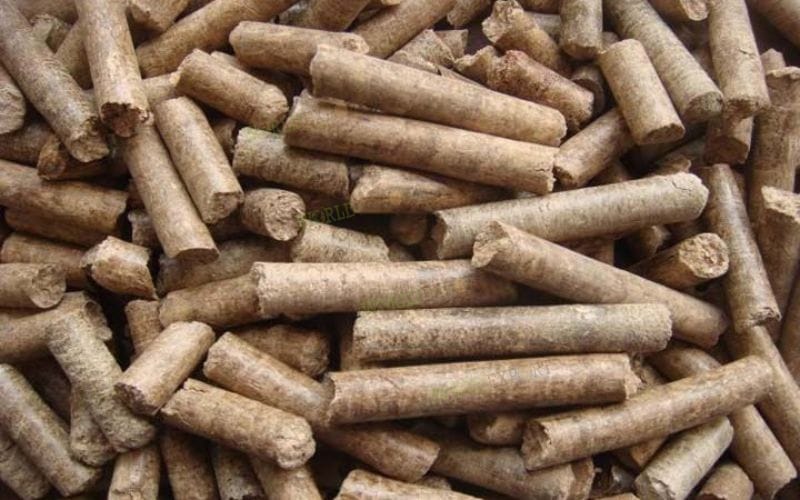









Procurement managers and wholesalers globally require reliable sources for wood pellets to power industrial operations and commercial heating. This guide serves as a comprehensive resource covering technical specifications, supply chain logistics, and global sourcing strategies. We detail how direct manufacturers deliver competitive wholesale pricing and consistent availability for bulk off-take agreements.
Operating an efficient energy facility requires a deep understanding of biomass procurement. Sourcing the right material directly impacts boiler maintenance, energy output, and overall profitability. Buyers must navigate laboratory parameters, sustainability certifications, and complex maritime shipping protocols to ensure continuous fuel delivery.
This document outlines the exact standards expected in the international market. By examining raw material composition and mechanical durability, purchasers can effectively evaluate potential suppliers. Integrating a highly qualified direct manufacturer minimizes supply chain disruptions and secures stable energy generation.
What are wood pellets?
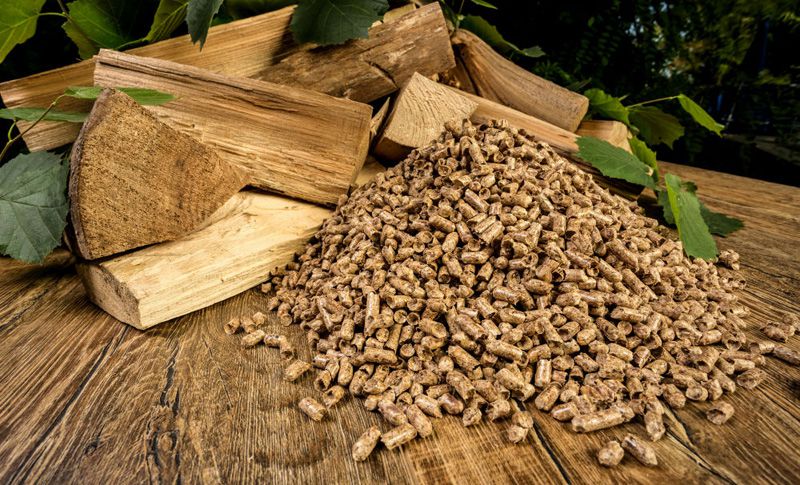
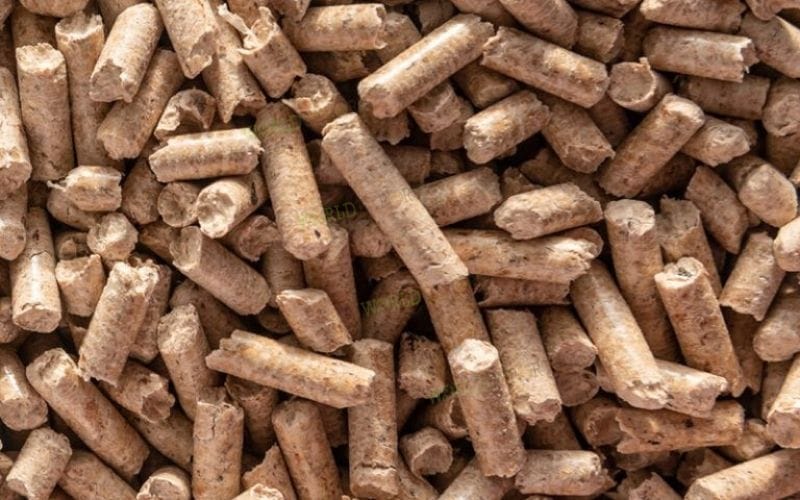
Wood pellets are a high-density, standardized biomass fuel manufactured by compressing organic wood matter. This material serves to provide a highly efficient, low-carbon energy source for various heating requirements.
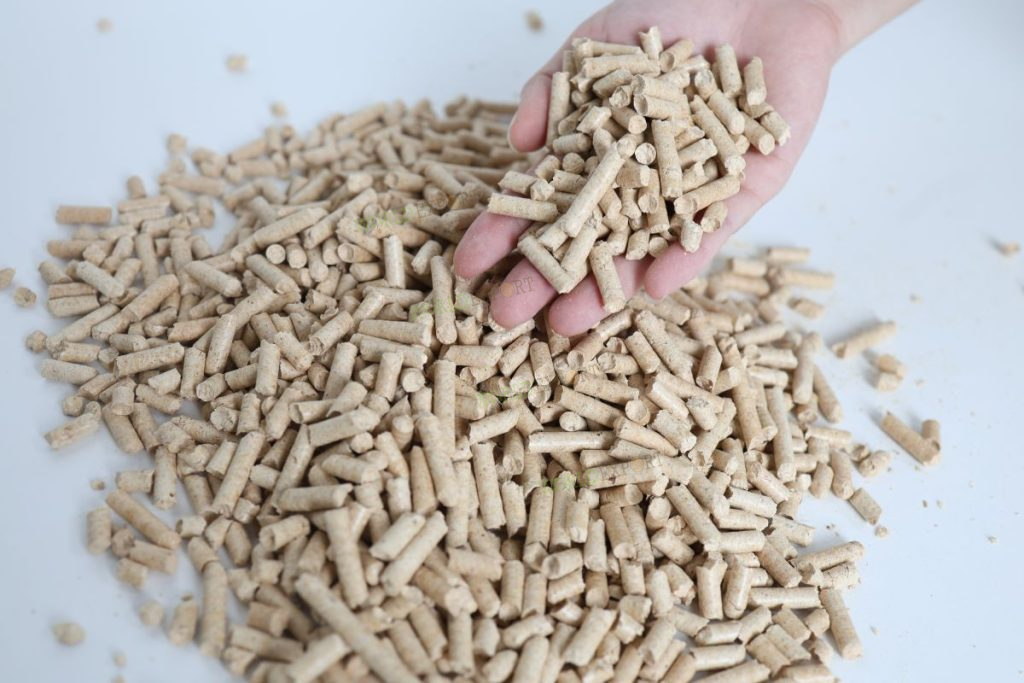
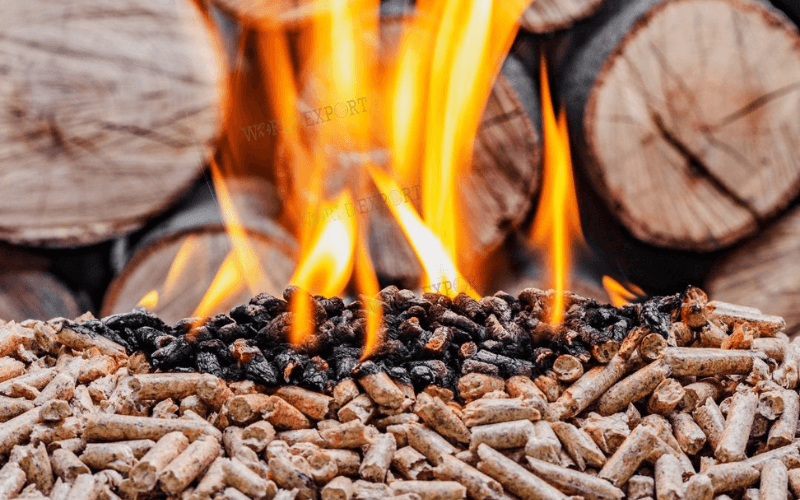
The wood pellet definition encompasses their role as a direct, renewable substitute for fossil fuels. Initially utilized for residential heating, their application has scaled massively into the industrial sector. Large-scale power plants now rely on this densified material for co-firing alongside coal or as a complete fuel replacement.
Standardization makes these energy cylinders highly favorable for automated feeding systems. The uniform shape and consistent density allow for predictable combustion rates and automated handling. This reliability transforms raw timber waste into a highly tradable, globally transported commodity.
Transitioning to this renewable biomass offers significant regulatory advantages for heavy industry. Facilities utilizing a sustainable wood and pellet supply can drastically lower their carbon emissions footprint. Meeting these strict environmental targets requires sourcing from accredited wood pellet manufacturers capable of continuous, high-volume delivery.
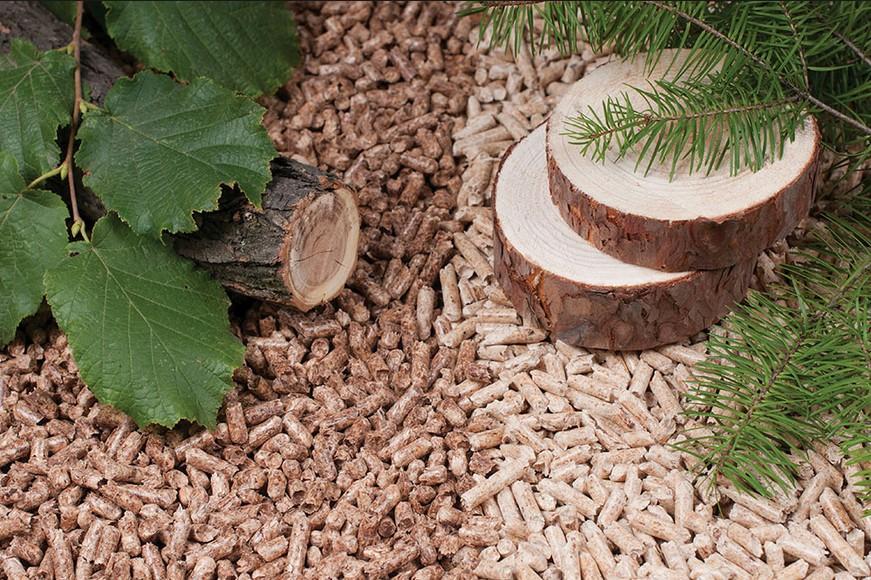
What are wood pellets made of? The wood pellet composition typically consists of pure pine, rubber, acacia, or specialized mixed woods. This material serves to deliver specific caloric outputs and absorbency levels based on the end-user’s application.
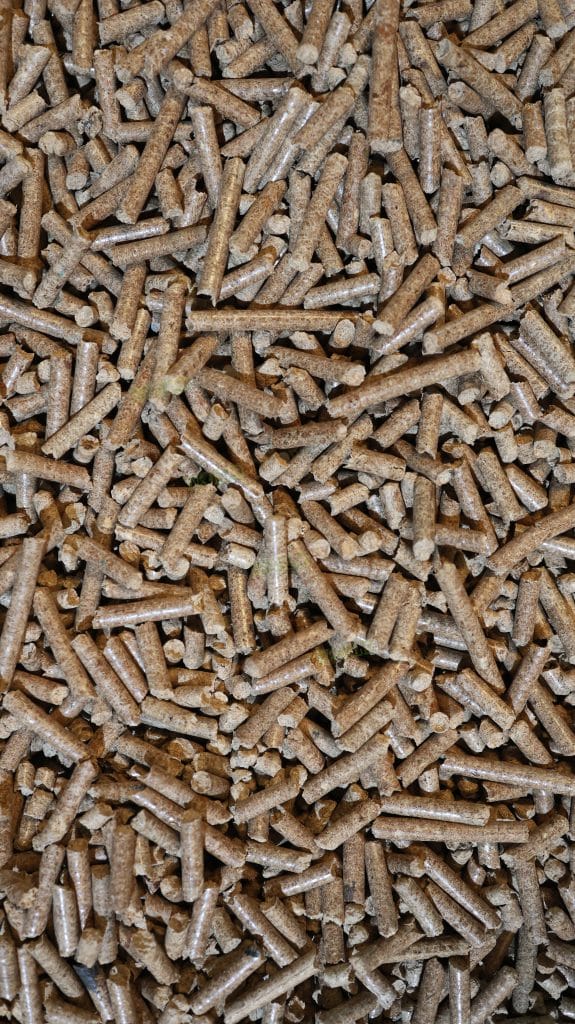
Producing high-grade energy yields requires clean wood shavings and sawdust rather than low-quality bark. Bark integration introduces elevated ash levels and unwanted mineral content that can damage automated boiler systems. Premium wood pellets completely prohibit the use of artificial chemical binders or synthetic adhesives during the extrusion process.
World Export sets an industry benchmark for quality by actively screening out impurities. The manufacturing mechanism utilizes extreme high pressure, which activates natural lignin within the timber. This naturally occurring polymer acts as a robust binding agent, resulting in dense, structurally sound cylinders without artificial additives.
>> Learn more: History of Biomass Pellets: A Remarkable Global Evolution
Technical specifications for premium wood pellets
Procurement managers demand precise laboratory parameters before signing off-take agreements. Evaluating these specifications ensures the purchased biomass will perform efficiently without damaging expensive infrastructure. Consistent quality wood pellets prevent operational downtime and excessive maintenance costs.
Industrial buyers mandate comprehensive testing data for every batch shipped from the loading port. These documents confirm that the cargo aligns with the negotiated contractual metrics. Understanding these distinct parameters empowers buyers to distinguish reliable wood pellets producers from low-tier suppliers.
1. Calorific value and combustion efficiency
Calorific value determines the actual energy yield a facility extracts during combustion. Procurement teams evaluate Net Calorific Value (NCV) over Gross Calorific Value (GCV) to understand the usable heat remaining after moisture evaporation. Standard acceptable ranges for industrial-grade material typically exceed 4.6 kWh/kg.
Higher calorific output directly translates to reduced fuel consumption and lower operational costs. Power plants require this dense energy yield to maintain stable steam pressure and electricity generation. Consistent caloric metrics across thousands of tons demonstrate a supplier’s mastery of the drying and extrusion process.
2. Moisture, ash content, and mechanical durability
Standard ENplus A1 specifications strictly require a moisture content below 10%. Maintaining low moisture prevents fungal growth, structural breakdown, and rapid degradation during transit. Excessive moisture forces the boiler to waste energy evaporating water rather than generating usable heat.
Low ash content remains an absolute requirement to prevent boiler slagging and ash fusion. Premium residential grades cap ash below 0.7%, while industrial mixed-wood materials often maintain levels strictly below 3.0%. High mechanical durability thresholds (≥98%) ensure the biomass wood pellets survive pneumatic loading and extensive conveyor transport without disintegrating.
Certifications and quality assurance in the wood pellet supply chain
The international biomass trade operates on strict compliance and verifiable sustainability claims. Buyers face immense regulatory pressure to prove their fuel originates from legal, managed origins. Transparent supply chains mitigate the financial and legal risks associated with illegal logging and deforestation.
Direct manufacturers must adhere to recognized global standards to participate in international off-take contracts. Relying solely on internal supplier claims presents unacceptable risks for commercial buyers. Independent auditing forms the foundation of trust across the global renewable energy market.
1. ENplus, DINplus, and SGS testing
The ENplus certification framework clearly differentiates between residential and industrial material grades. ENplus A1 designates premium residential fuel with strict ash limitations, while ENplus A2 and B grades serve industrial power plants capable of handling slightly higher ash content. These standards dictate precise physical and chemical limitations.
Independent surveyors like SGS play an integral role in verifying these specifications. Surveyors extract composite samples at the port of loading directly from the bulk shipments or jumbo bags. These third-party laboratory reports provide indisputable evidence that the cargo matches the negotiated parameters before the vessel departs.
2. FSC, PEFC, and sustainable biomass program (SBP)
Sourcing from certified forests ensures the biological ecosystem regenerates after harvesting. Traceable supply chains mandated by the Forest Stewardship Council (FSC) and the Programme for the Endorsement of Forest Certification (PEFC) prevent environmental exploitation. These legal frameworks satisfy the stringent Environmental, Social, and Governance (ESG) requirements of modern corporations.
World Export leads the wholesale sector by leveraging 10 years of sustainable forestry experience. As a direct manufacturer, the brand secures raw materials from over 600,000 hectares of FSC-certified and PEFC-managed plantations in Vietnam. This localized, sustainable sourcing model guarantees highly competitive wholesale pricing and uninterrupted supply continuity.
Logistics, packaging, and shipping for wholesale wood pellets
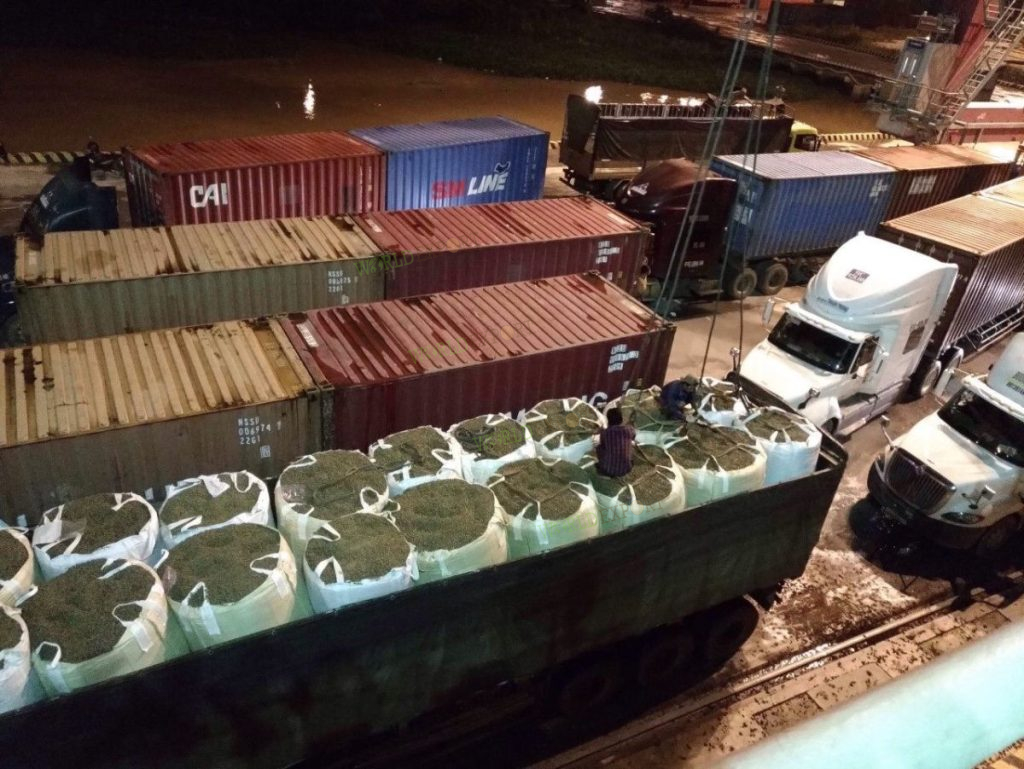
Wood pellets being unloaded from a container truck onto a specialized transfer vehicle at the dock, preparing to be hoisted onto a bulk cargo vessel
Moving densified biomass across oceans represents the most complex phase of B2B procurement. Efficient logistics require advanced infrastructure to prevent material fragmentation and moisture contamination. Establishing a robust supply chain dictates whether the product arrives intact or as degraded dust.
Wholesalers seeking wood pellets for sale must align their packaging choices with their domestic distribution capabilities. The chosen format impacts container utilization, loading speeds, and overall freight economy. Direct manufacturers offer flexible solutions tailored to the buyer’s specific offloading equipment.
1. Packaging options: Jumbo bags vs. bulk shipments
Procurement strategies dictate the optimal packaging format for ocean freight. Standard 15kg or 20kg bags stacked on a pallet of wood pellets accommodate localized residential distribution. A standard 40HC shipping container typically holds between 24 to 26 tons of this palletized cargo.
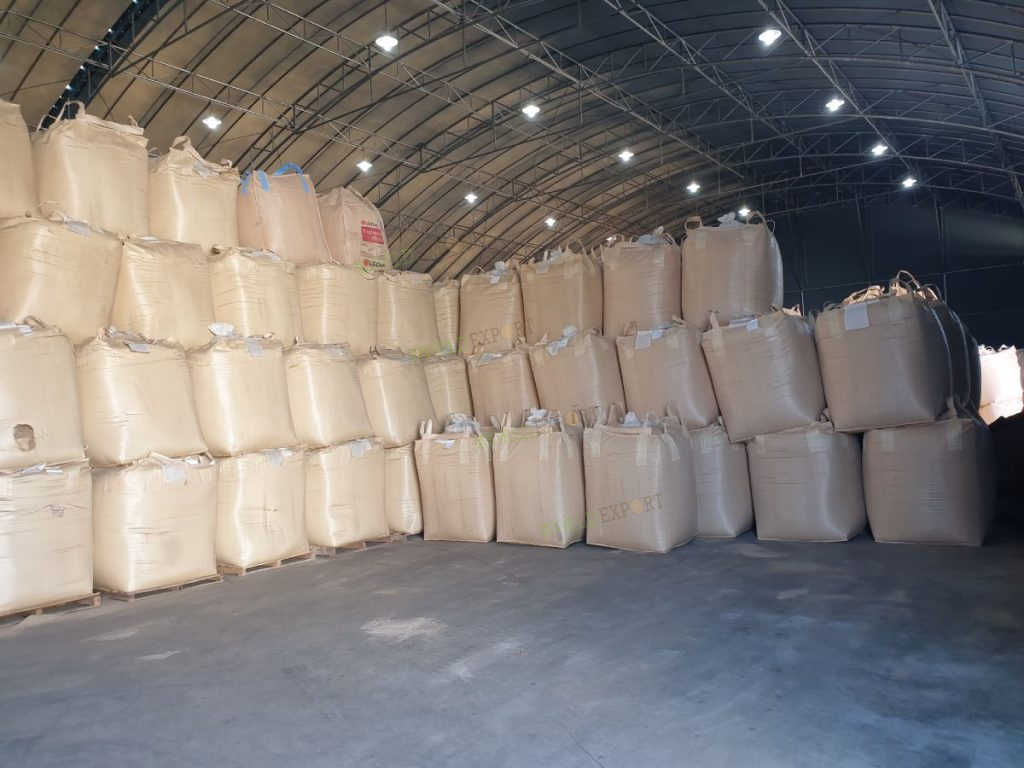
Industrial buyers often prefer 600kg or 1-ton jumbo bags (FIBC) for easier mechanical handling at power facilities. FIBC formats load efficiently, delivering approximately 25 to 27 tons per 40HC container. For massive scale, wood pellets suppliers execute break-bulk vessel loading, moving 10,000 to 15,000 tons directly into the ship’s hold.
2. Port logistics, loading performance, and risk mitigation
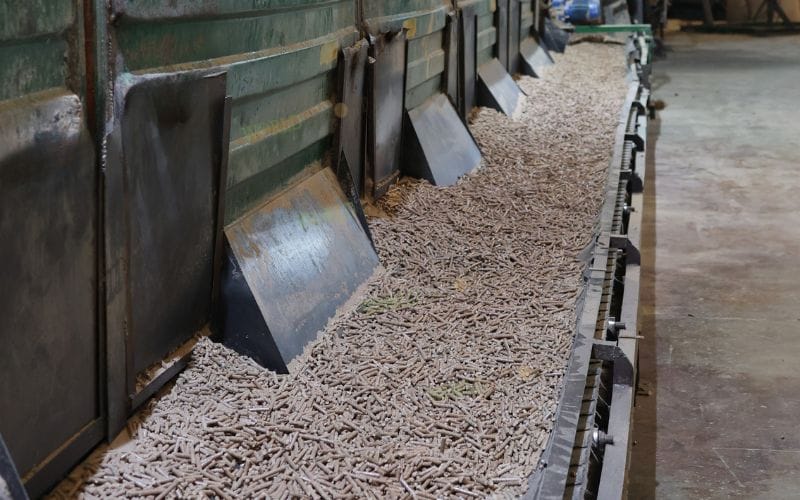
The logistical journey demands strict environmental control from the factory warehouse to the mother vessel. Heavy-duty trucks transport the material to river ports, passing through weigh stations and magnetic separators to eliminate metallic contaminants. Covered conveyor systems then transfer the fuel directly onto barges.
High-speed loading performance minimizes exposure to ambient humidity and weather events. Advanced port operations can load between 2,500 and 4,000 tons per day, rapidly filling bulk cargo ships. Maintaining dry conditions during barge-to-ship transfers prevents moisture absorption, ensuring the cargo retains its exact calorific profile upon arrival.
B2B FAQ
Q1: How do I calculate the landed cost of wood pellets by the ton?
A1: To calculate the landed cost of wood pellets by the ton, buyers must aggregate the baseline FOB price with ocean freight, insurance, port handling fees, and domestic haulage. This comprehensive financial modeling ensures accurate budget forecasting for industrial off-take agreements.
Q2: What is the acceptable percentage of fines upon delivery?
A2: The acceptable percentage of fines is typically restricted to under 1% for standard ENplus A1 residential grading. This threshold serves to mitigate the risk of dust explosions and ensures maximum combustion efficiency during automated boiler feeding. Industrial bulk shipments generally accept fines between 2% and 3%.
Q3: Do wood fuel pellets degrade in long-term warehouse storage?
A3: Yes, biomass materials degrade if exposed to excessive ambient humidity or direct liquid moisture during long-term storage. Keeping the product sealed in jumbo bags within well-ventilated, weather-proof warehouses prevents structural breakdown and preserves the material’s calorific value for extended periods.
Q4: What is the wood pellets meaning in the context of renewable energy?
A4: The wood pellets meaning refers to their classification as a carbon-neutral biomass substitute for heavy fossil fuels. This densified material serves to allow existing power plants to seamlessly transition away from coal without entirely replacing their established combustion infrastructure.
WORLD EXPORT COMPANY LIMITED
No. 35, Street 12, Van Phuc 1 Residential Area, Quarter 5, Hiep Binh Ward, Ho Chi Minh City, Vietnam
Tel / Whatsapp / Kakaotalk: +84 932 632 317
Email: supportwe@worldexport.com.vn
Youtube: https://www.youtube.com/@WorldExportVN
Securing reliable wood pellets requires partnering with an established direct manufacturer capable of scaling production while maintaining stringent certification standards. Focusing on rigorous technical specifications, sustainable forestry integration, and robust maritime logistics ensures uninterrupted power generation. By demanding transparent laboratory testing and efficient bulk loading protocols, global buyers can confidently procure high-performance biomass for long-term operational success.