






As the global community confronts the critical challenge of climate change, the transition to sustainable energy is no longer an option, but a necessity. In this urgent quest, the potential for wood pellets replace fossil fuel has become a central topic for industries and governments alike. To understand this shift, we must examine the viability of clean energy fuels and how they can reshape our global power landscape.
What Are Biomass Fuel Pellets?
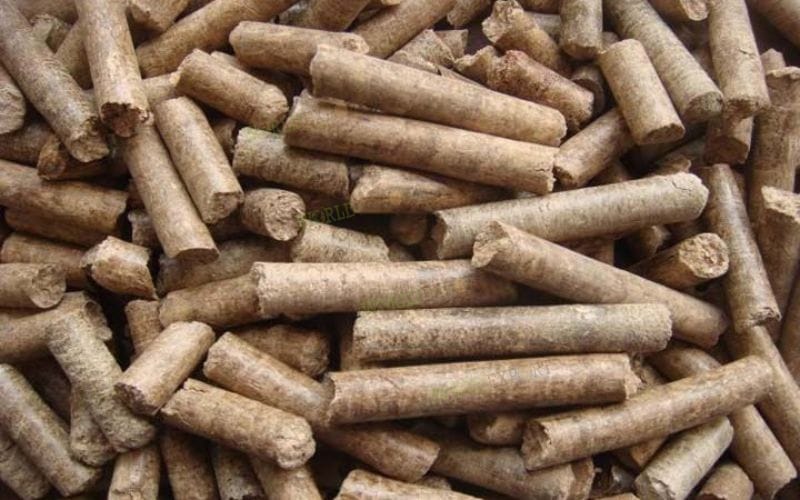
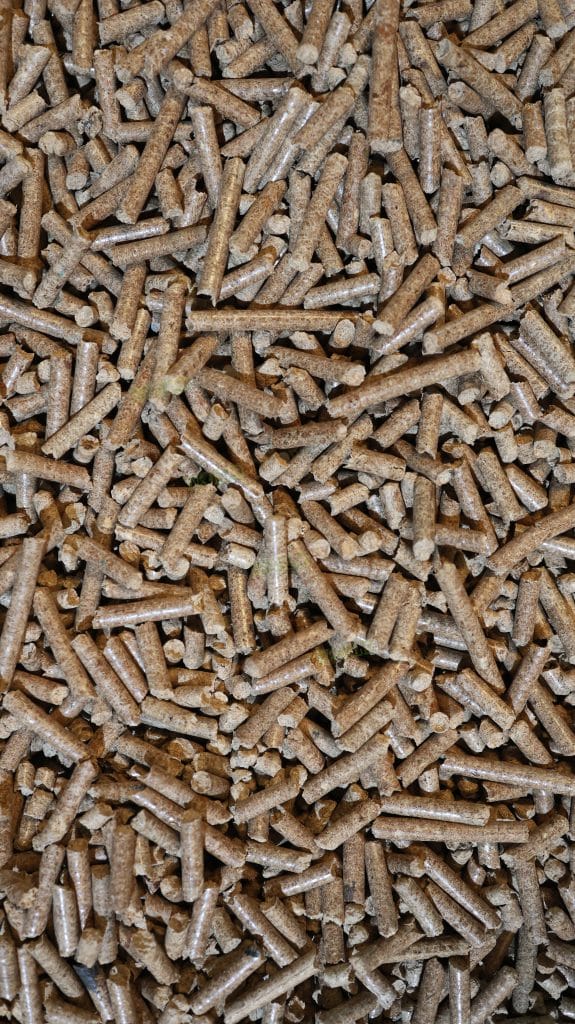
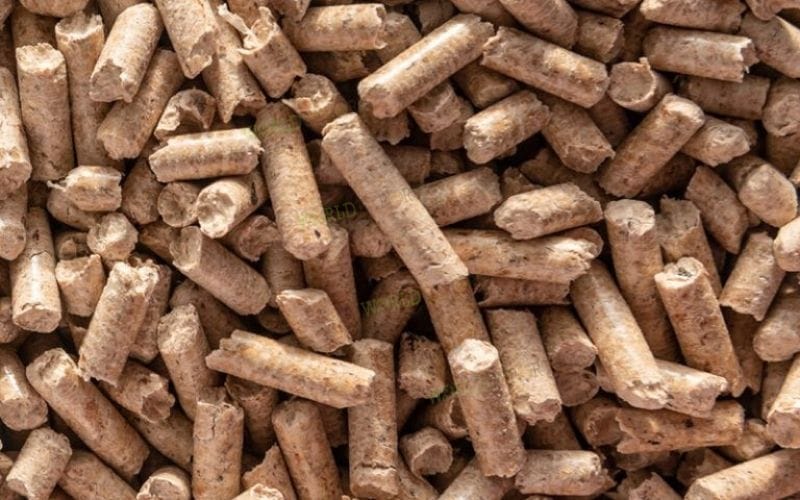
At their core, biomass fuel pellets are a form of biofuel biomass created from compressed organic waste, such as sawdust and forestry residues. These compact, energy-dense cylinders serve as a highly efficient and renewable substitute for coal, oil, and natural gas. Their primary applications range from residential and commercial heating to large-scale electricity generation, positioning them as one of the most versatile clean energy fuels available today.
While various types exist, Mixed Wood Pellets made from woods like acacia, pine, and rubber, are widely favored for their consistent performance. The production process is meticulous, involving four key stages: crushing raw materials, drying them to reduce moisture, compressing them into pellets, and finally, cooling them to ensure stability before shipment.

Why Wood Pellets are Leading Green Energy Solutions?
The momentum behind green energy solutions is fueled by several economic and environmental advantages:
- Renewable Resource: Wood pellets are derived from renewable biomass sources, making them inherently sustainable and environmentally friendly.
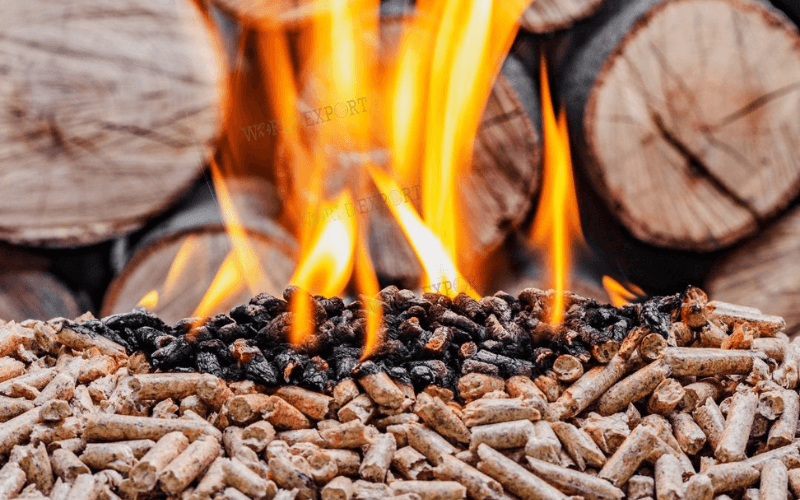
- Low Carbon Emissions: Compared to fossil fuels, wood pellets produce lower carbon emissions when burned, helping to mitigate greenhouse gas emissions and combat climate change.
- Versatility: Wood pellets can be used in a variety of applications, including residential heating, power generation, and industrial processes, offering a versatile energy solution.
- Energy Security: Wood pellets can be produced domestically, reducing reliance on imported fossil fuels and enhancing energy security.
- Waste Reduction: Wood pellets utilize waste wood residues and agricultural by-products, contributing to waste reduction and resource efficiency.

The Reality: Can Wood Pellets Replace Fossil Fuel?
Despite their clear potential, the widespread adoption of wood pellets faces several hurdles. Ensuring the sustainable sourcing of biomass is paramount to avoid negative environmental impacts. Furthermore, establishing efficient supply chain logistics and investing in the necessary infrastructure for production, storage, and transport are significant considerations. The economic viability of pellets also depends heavily on market dynamics, fossil fuel pricing, and supportive government policies.
- Biomass Sustainability: Ensuring sustainable sourcing of biomass feedstock is crucial to prevent deforestation, habitat loss, and other environmental impacts.
- Supply Chain Logistics: Wood pellet production requires efficient supply chain logistics for sourcing, processing, and distribution of biomass feedstock, which can pose logistical challenges.
- Infrastructure Requirements: The transition to wood pellets may necessitate investments in infrastructure for pellet production, storage, and transportation.
- Market Dynamics: The economics of wood pellet production and pricing relative to fossil fuels, as well as policy support and market incentives, will influence the pace and scale of adoption.
Future Outlook: A New Era for Clean Energy Fuels
Despite the challenges, the momentum behind wood pellets as a renewable energy solution is steadily growing. In recent years, countries worldwide have implemented policies and initiatives to promote the use of biomass fuels, driving investment in wood pellet production and consumption. Moreover, technological advancements in pelletization processes, energy efficiency, and emissions control are enhancing the viability and competitiveness of wood pellets as an alternative to fossil fuels.
Looking ahead, the future of wood pellets replacing fossil fuels hinges on several key factors:
- Policy Support: Continued policy support and incentives for renewable energy, carbon pricing mechanisms, and sustainability standards will play a crucial role in driving the transition to wood pellets.
- Technological Innovation: Ongoing research and development efforts to improve pellet production technologies, enhance efficiency, and reduce costs will further bolster the competitiveness of wood pellets in the energy market.
- Market Dynamics: Shifts in energy market dynamics, including fluctuations in fossil fuel prices, advancements in renewable energy technologies, and evolving consumer preferences, will shape the demand for wood pellets.
- Environmental Considerations: Environmental considerations such as carbon neutrality, biodiversity conservation, and ecosystem resilience will increasingly influence the sustainability and acceptability of wood pellet production and use.
- Global Collaboration: International cooperation and collaboration among governments, industries, and stakeholders will be essential to address common challenges, harmonize standards, and scale up wood pellet production and trade globally.
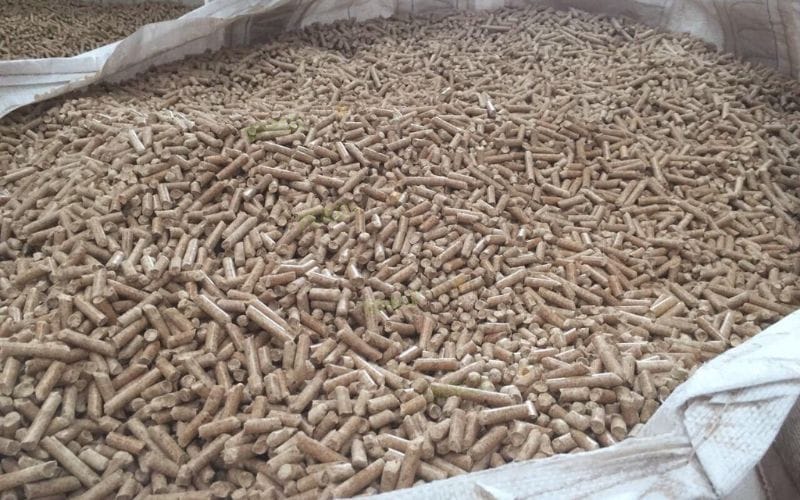
As Vietnam’s leading supplier, World Export has the capacity and inventory to meet your high-volume demands for premium biomass fuel pellets. We are committed to powering your transition to clean energy fuels with consistent quality and competitive pricing.
To stay updated with the latest market trends, product insights, and exclusive offers, you can follow World Export on our official WhatsApp channel.
Contact us today to receive detailed product information and a customized quotation:
WORLD EXPORT COMPANY LIMITED
No. 35, Street 12, Van Phuc 1 Residential Area, Quarter 5, Hiep Binh Ward, Ho Chi Minh City, Vietnam
Tel / Whatsapp / Kakao Talk: +84 932 632 317
Email: supportwe@worldexport.com.vn