





Choosing the right bedding material has a direct impact on poultry health, mortality rates, and production performance. Poor litter management increases moisture buildup, ammonia concentration, respiratory problems, and footpad dermatitis, which can reduce meat quality and egg production efficiency in commercial farms.
For this reason, understanding straw vs. hay vs. wood shavings is an important decision for procurement managers, agricultural wholesalers, and commercial poultry farm operators. Each material has different characteristics in terms of moisture absorption, durability, insulation, and cost efficiency.
This guide provides a technical comparison of common poultry bedding materials to help businesses select the most suitable option for large-scale poultry production.
Understanding Commercial Poultry Bedding Materials
The global poultry industry increasingly relies on agricultural by-products as sustainable bedding materials. Products such as wheat straw and wood shavings transform agricultural and forestry residues into valuable resources for animal farming.
According to agricultural sustainability reports from organizations such as FAO, the demand for renewable biomass products continues to grow as livestock producers look for cost-effective materials that improve animal welfare and reduce waste.
Commercial poultry bedding must meet several performance requirements:
- Moisture control: Prevents wet litter and reduces bacterial growth.
- Low dust content: Supports better respiratory health for birds and workers.
- Consistent quality: Ensures predictable performance across production cycles.
- Easy handling: Reduces labor costs during installation and replacement.
Among available options, wheat straw and kiln-dried wood shavings are the most commonly used materials, while hay is generally unsuitable for intensive poultry farming.
Straw vs. Hay vs. Shavings: Defining the Baseline Materials
The difference between straw vs. hay vs. shavings comes from their origin, structure, and commercial application.
Hay is mainly produced as animal feed. It contains leaves, nutrients, and organic compounds that increase the risk of mold development when exposed to moisture. Its higher cost and greater spore levels make it unsuitable for commercial poultry houses where hygiene control is required.
Straw is the dried stalk remaining after grain harvesting, especially wheat straw. It is widely available and affordable, making it a common bedding option in agricultural regions. However, its moisture absorption speed and durability depend heavily on processing quality.
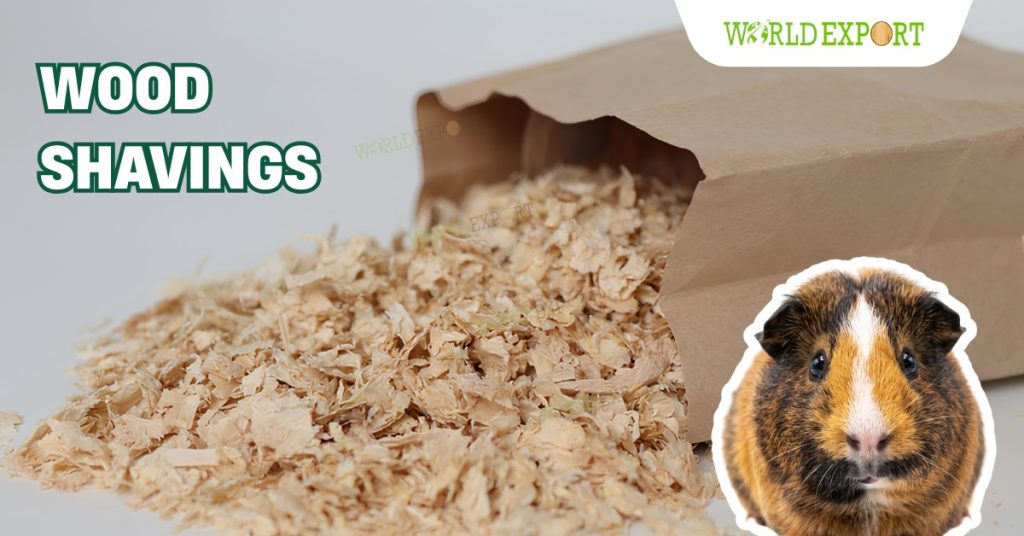
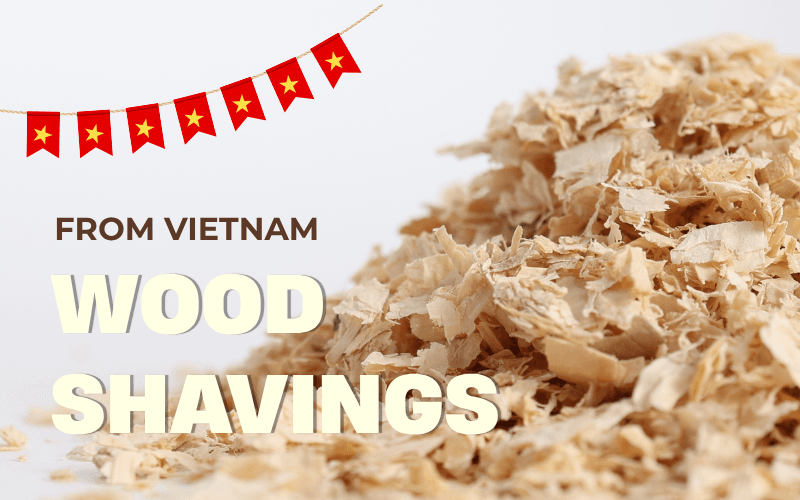
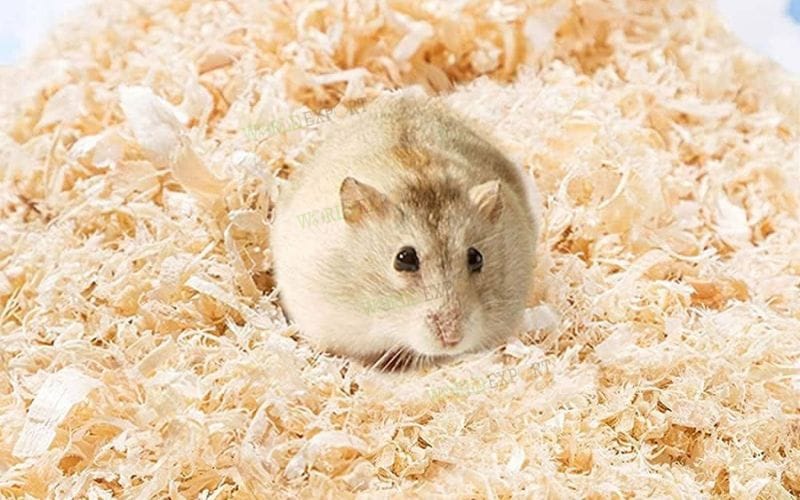
Wood shavings are manufactured from clean softwood materials, usually pine. Industrial-grade shavings are processed, screened, and dried to provide consistent particle size, low moisture content, and better litter performance.
Physical Properties of Wheat Straw in Bulk
Wheat straw has a hollow cellular structure that provides natural insulation by trapping air inside the stalk. This makes it effective at maintaining warmth during the early stage of bedding use.
However, straw also has a natural wax coating on its surface, which slows initial moisture absorption. In commercial poultry houses, this can become a disadvantage because wet areas remain longer and increase ammonia production.
For international transportation, wheat straw is usually compressed into large bales ranging from 400–600 kg. While this improves shipping efficiency, compressed straw requires additional preparation before use inside poultry barns.
Under heavy broiler stocking densities, straw gradually becomes flattened and compacted. This reduces airflow and limits its ability to maintain a dry litter environment throughout the production cycle.
Technical Specifications of Kiln-Dried Wood Shavings
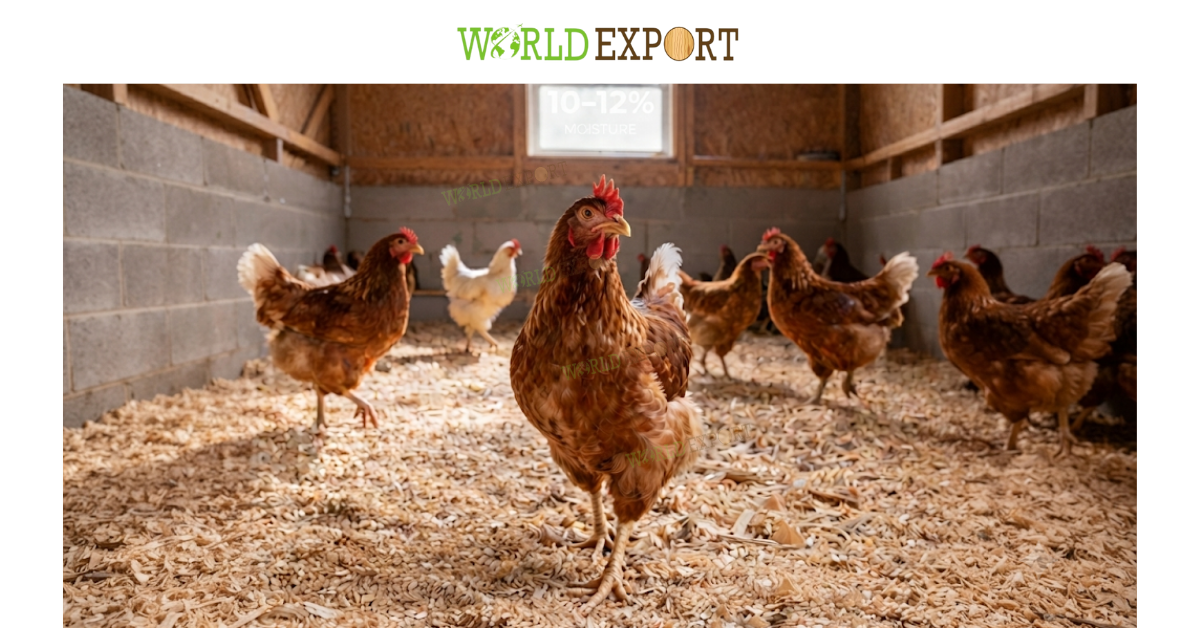
Kiln-dried wood shavings are produced by cutting clean pine and softwood materials into controlled flakes. After processing, the product is dried to achieve an ideal moisture content of approximately 8–12%.
This drying process improves storage stability and allows the bedding to absorb moisture more effectively once installed in poultry houses.
High-quality suppliers also use screening systems to remove excessive dust and fine particles. Double-screened wood shavings provide cleaner bedding conditions and reduce respiratory risks.
For international buyers, certifications such as FSC and PEFC demonstrate responsible sourcing practices and compliance with sustainable forestry standards.

Performance Metrics: Is Straw or Wood Shavings Better for Chickens?
When comparing straw vs wood shavings, commercial poultry farms usually prioritize moisture management, litter lifespan, and bird welfare.
Wood shavings generally perform better because their porous structure absorbs moisture quickly and maintains better airflow. This helps reduce ammonia buildup and creates a cleaner environment throughout the flock cycle.
Veterinary studies on poultry litter management consistently highlight the importance of maintaining dry bedding to reduce disease risks and improve production outcomes.
Moisture Absorption and Ammonia Control
Moisture control is one of the biggest differences between straw and wood shavings.
Wood shavings can absorb significantly more moisture because their cellular structure allows water retention while maintaining air circulation. This helps keep poultry houses drier and reduces ammonia released from manure decomposition.
Straw absorbs moisture more slowly and can become compacted when exposed to continuous manure and water leakage.
For intensive poultry farms, better moisture control means:
- Lower bacterial growth risk
- Reduced ammonia odor
- Improved respiratory health
- Easier litter management
Thermal Insulation: What Is Warmer, Straw or Wood Shavings?
Straw is initially warmer than wood shavings because its hollow structure traps more air. However, wood shavings usually provide more consistent insulation over longer production periods.
Straw loses performance when moisture causes the stalks to flatten and compact. Wood shavings maintain their loose structure longer, allowing better airflow and more stable floor conditions.
This makes wood shavings a preferred option for commercial farms requiring consistent bedding performance during winter brooding cycles.
Dust Extraction Levels and Flock Respiratory Health
Dust control is another important factor in commercial poultry production.
Premium wood shavings are often double-screened to remove fine particles before export. This reduces airborne dust and creates safer conditions for both poultry and farm workers.
Poor-quality bedding materials may contain excessive dust, mold particles, or contaminants that increase respiratory stress in confined poultry houses.
Impact on Footpad Dermatitis and Meat Yield
Wet litter is one of the main causes of footpad dermatitis and breast blister problems in broilers.
When bedding remains wet, the skin on birds’ feet becomes damaged more easily, affecting animal welfare and increasing the chance of processing downgrades.
By maintaining drier litter conditions, wood shavings help reduce these issues and support better carcass quality.
Direct Comparison: Straw vs Wood Shavings for Chickens
When evaluating straw vs wood shavings for chickens, purchasing decisions should consider total operating costs rather than simply comparing the purchase price of bedding materials.
While straw is often less expensive in grain-producing regions, its shorter lifespan and higher moisture retention can increase cleaning frequency and labor costs. Wood shavings generally require a higher initial investment but deliver better long-term value through improved litter performance and reduced replacement frequency.
| Factor | Wheat Straw | Wood Shavings |
| Moisture absorption | Moderate | High |
| Ammonia control | Average | Better |
| Dust control | Depends on quality | Low with screening |
| Litter lifespan | Shorter | Longer |
| Handling | More labor required | Easier management |
| Broiler suitability | Moderate | Excellent |
What Is Better, Wood Shavings or Wheat Straw for Broilers?
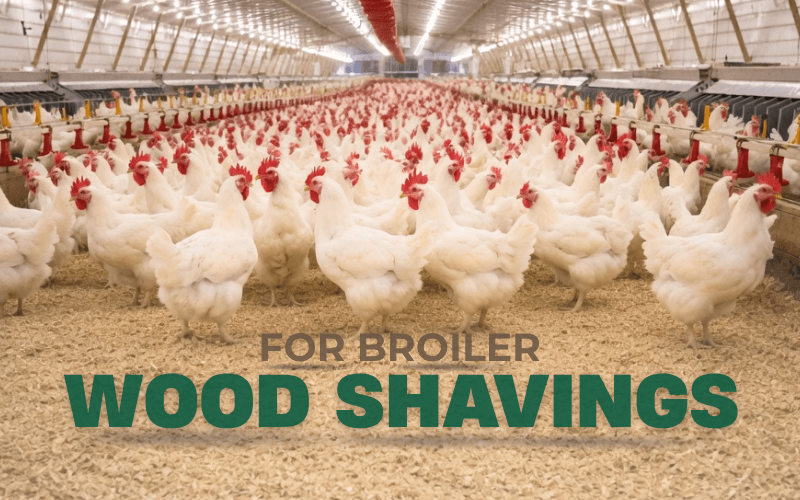
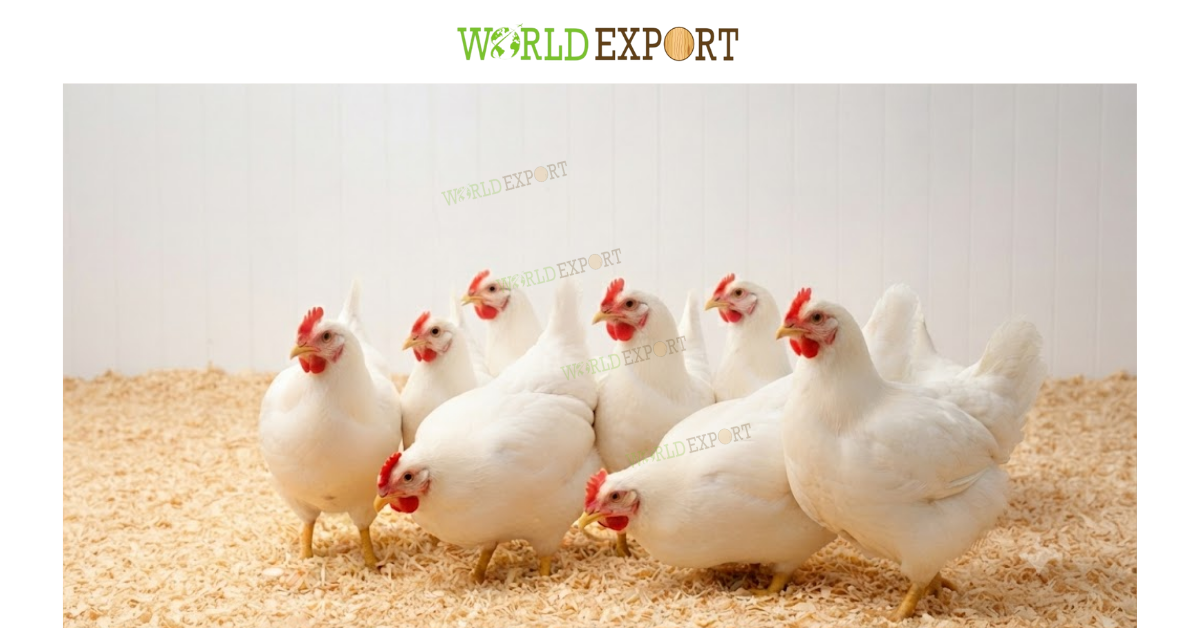
Wood shavings are generally better than wheat straw for broilers because fast-growing chickens produce large amounts of moisture during their 4–8 week production cycle.
Broiler farms require bedding that can quickly absorb moisture and maintain dry conditions. Wood shavings provide better performance because they reduce wet litter problems and support healthier bird growth.
Layer Hen Preferences and Nesting Box Optimization
For egg production, bedding selection depends on the application area.
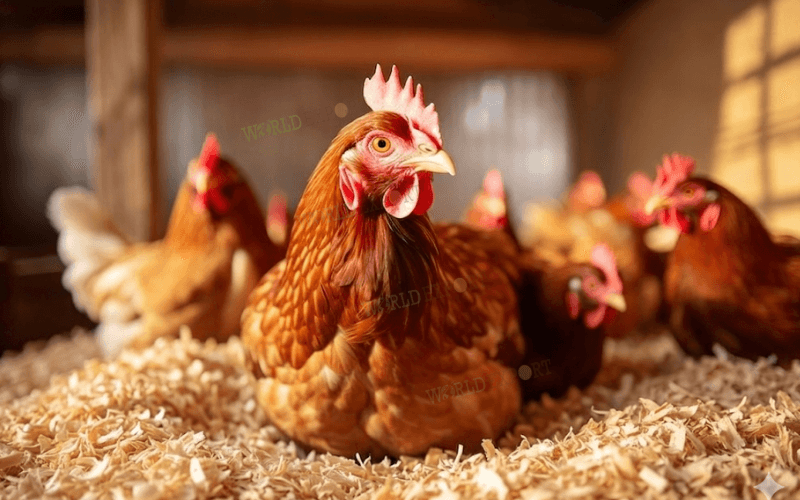
Chopped straw is commonly used inside nesting boxes because it is flexible and allows hens to create comfortable nesting areas. However, wood shavings are usually preferred for the main barn floor because they provide better moisture control and cleaner conditions.
Many commercial layer farms combine both materials to optimize bird comfort and hygiene
World Export – Trusted Supplier of Premium Wood Shavings
Selecting the right bedding material is only part of successful poultry production. A stable supplier ensures consistent quality, reliable delivery, and professional export support.
World Export provides premium wood shavings for international poultry farms, wholesalers, and agricultural distributors. Products are processed from clean softwood materials, carefully dried, and screened to maintain stable quality.
Packaging options include:
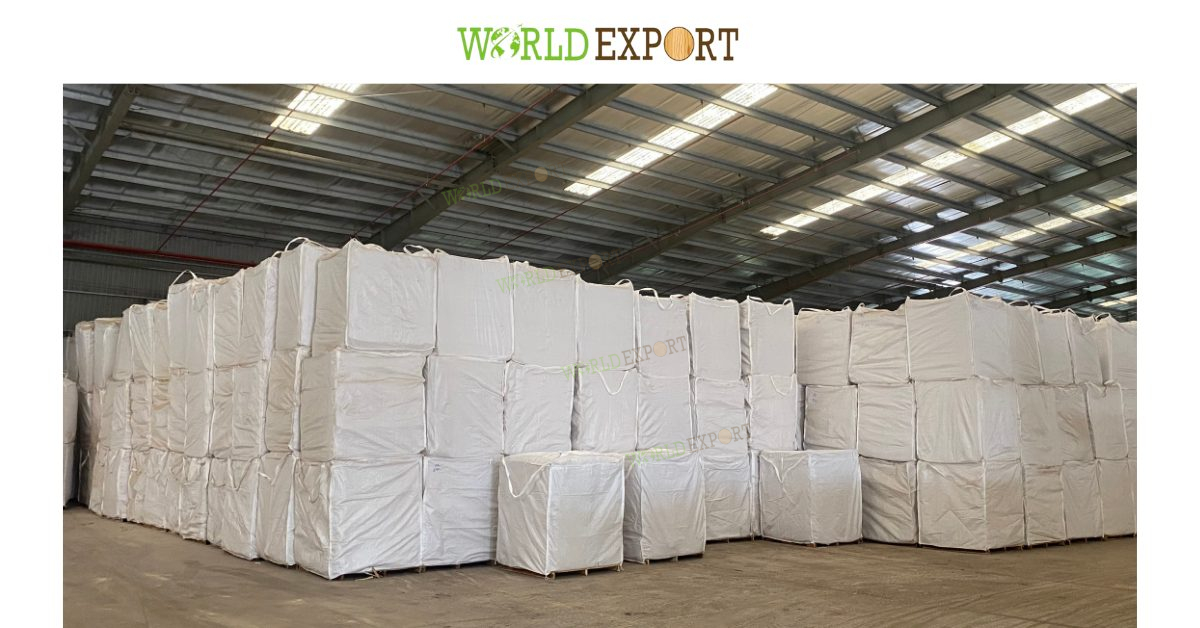
- Jumbo Bags: 500-600 kg with pallets; loading 24 tons per 40HC container with 40-48 bags.
- Plastic Bags (Bulk): 20 kg bags; approximately 1,200-1,300 bags per 40HC container (~20 tons).
- Plastic Bags (Pallet): 20 kg bags wrapped by PE; 40 pallets and 960 bags per container.
With reliable production capacity and export experience, World Export supports businesses looking for high-quality poultry bedding solutions.
Contact us today to receive product specifications and a competitive quotation tailored to your requirements.
WORLD EXPORT COMPANY LIMITED
No. 35, Street 12, Van Phuc 1 Residential Area, Quarter 5, Hiep Binh Ward, Ho Chi Minh City, Vietnam
Tel / WhatsApp / KakaoTalk: +84 932 632 317
Email: supportwe@worldexport.com.vn