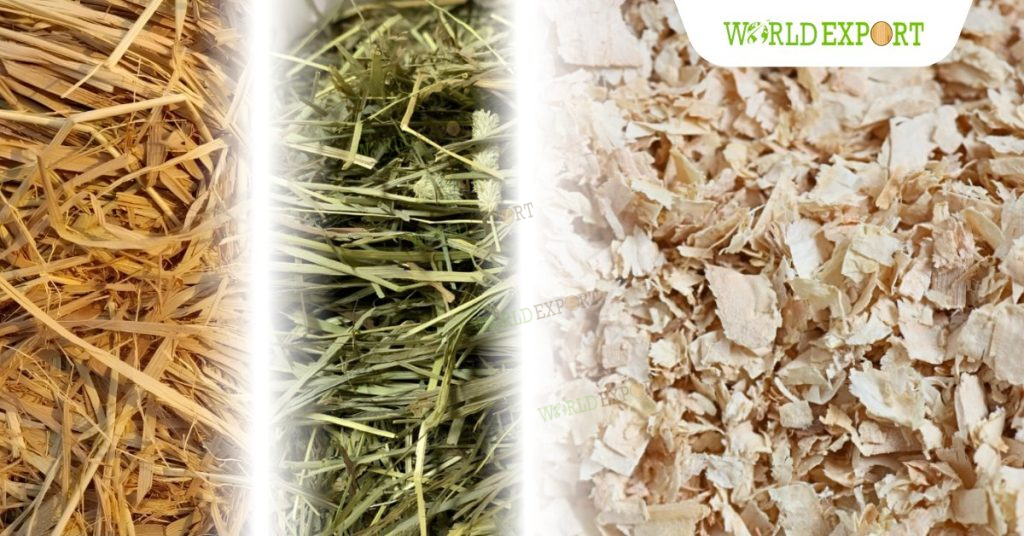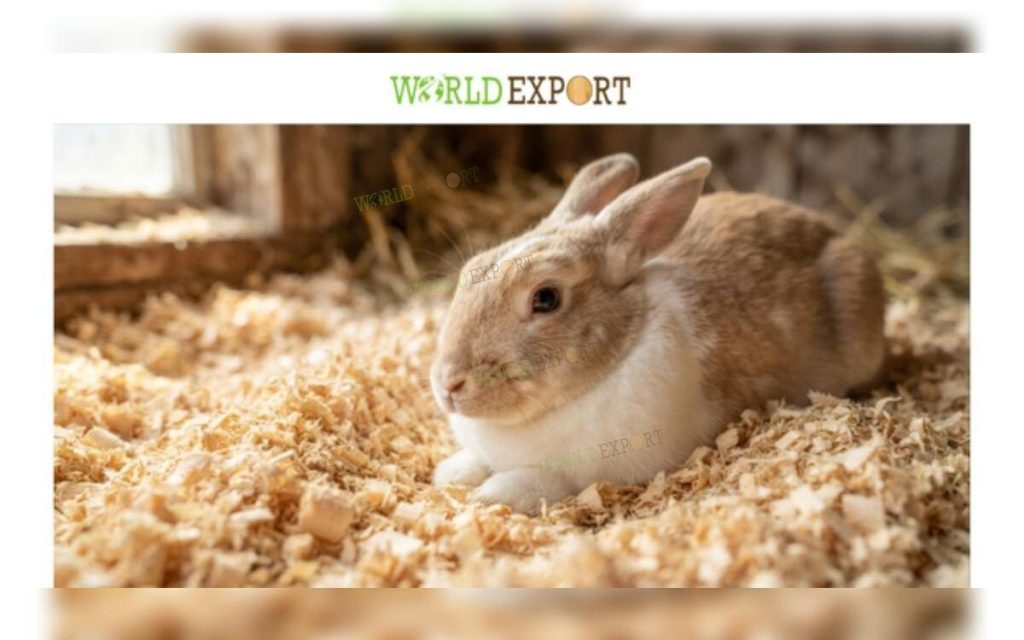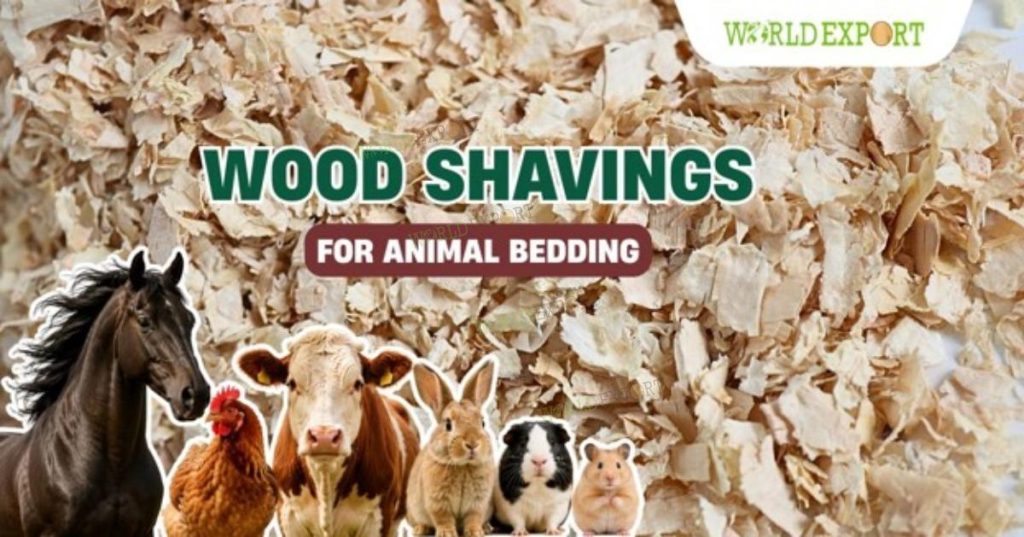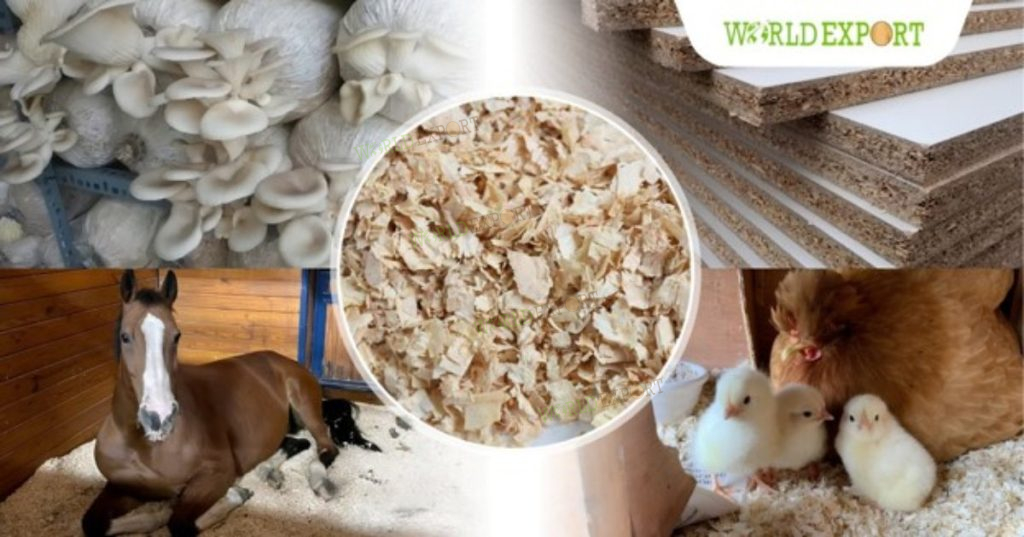



The global small pet care market is moving toward higher-quality bedding products as owners become more aware of animal health, hygiene, and comfort requirements. For retailers, distributors, and manufacturers, the question “are wood shavings for guinea pigs safe?” is not only a consumer concern but also a supply chain decision involving material sourcing, processing standards, and product reliability.
The safety of wood shavings for guinea pigs depends on three main factors: wood species, manufacturing process, and moisture control. Low-quality shavings made from unsuitable wood or poorly processed materials may create respiratory risks, while properly manufactured products can provide excellent absorbency and comfort.
A senior bedding industry specialist explains: “The pet bedding market is shifting from low-cost materials toward premium products where safety documentation, consistency, and animal welfare determine purchasing decisions.”
For wholesalers and pet product suppliers, selecting the right wood shaving specification is essential to avoid customer complaints, product returns, and brand reputation issues.
Consumer Demand: Are Wood Shavings Safe for Guinea Pigs?
Modern guinea pig owners are increasingly educated about pet health. They actively research bedding materials before purchasing and expect manufacturers to provide safe, clean, and transparent products.
The demand for premium small animal bedding continues to increase as more consumers prioritize products with:
- Low dust levels: Reducing respiratory irritation in sensitive animals.
- Safe wood species: Avoiding harmful compounds from unsuitable materials.
- High absorbency: Maintaining dry cages and controlling odor.
- Consistent quality: Ensuring every package delivers the same performance.
For retailers, selling poor-quality guinea pig wood shavings can result in negative reviews, product recalls, and reduced customer trust. Unlike livestock bedding, small pet bedding is used in enclosed indoor environments where owners closely monitor animal reactions.
This makes quality control a major factor when sourcing wood shavings bedding guinea pigs products.
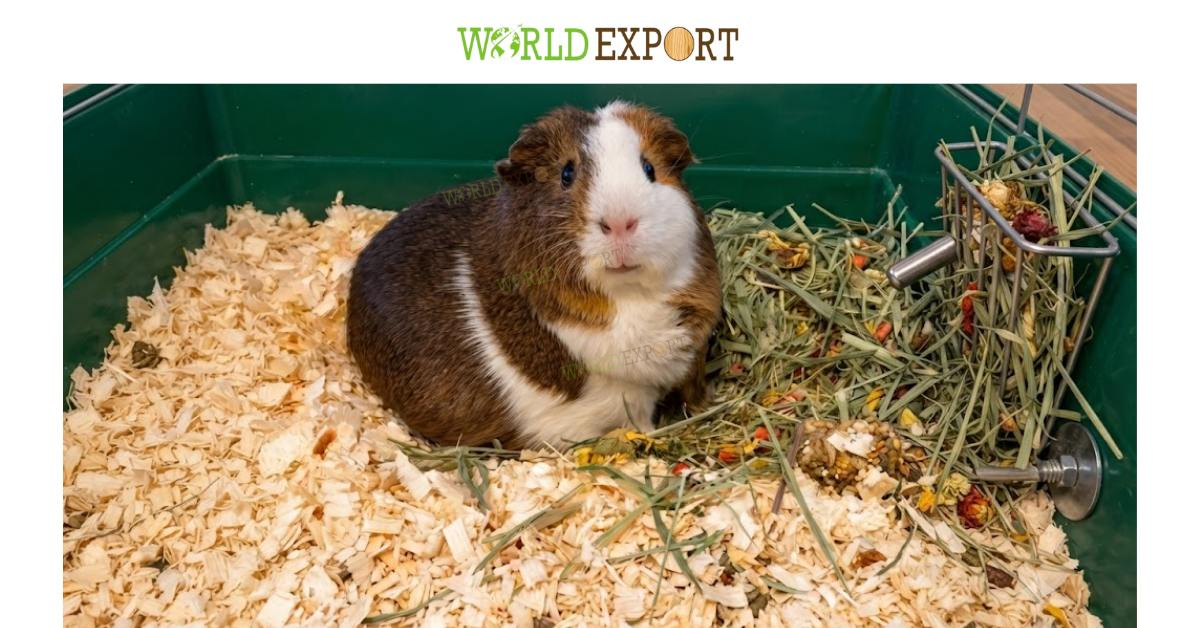
The Science of Phenol Toxicity and Respiratory Risks
Untreated softwood shavings can contain natural compounds such as phenols and volatile organic compounds (VOCs). These substances may irritate the respiratory system of small animals and create health concerns when bedding is used continuously in enclosed cages.
Guinea pigs have sensitive respiratory systems, making proper processing essential. Fresh cedar and some untreated pine materials contain higher levels of aromatic compounds that can negatively affect animal health.
Potential risks from unsuitable bedding include:
- Respiratory irritation
- Increased stress
- Reduced appetite
- Poor living conditions
For this reason, professional manufacturers use heat treatment and drying processes to reduce harmful compounds before products reach consumers.
Assessing Wood Species: Can Guinea Pigs Have Wood Shavings for Bedding?
The answer depends on the type of wood used.
Aspen Wood Shavings
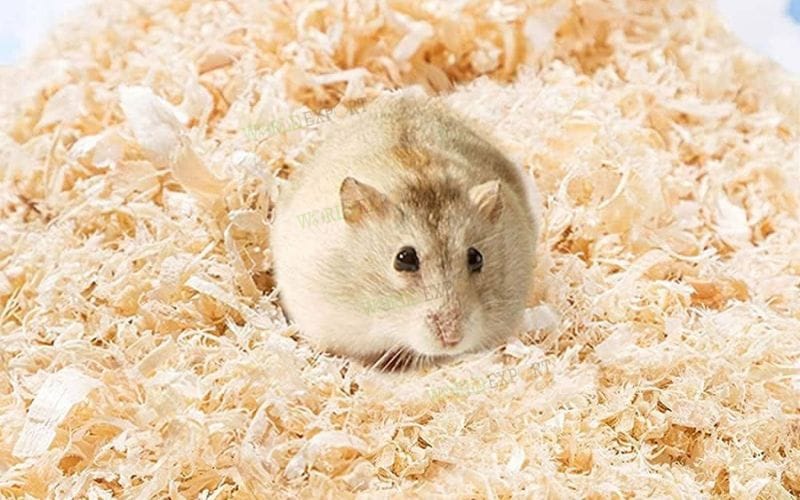
Aspen is considered one of the safest premium choices for guinea pig bedding. It is a hardwood with naturally lower phenol levels and provides strong moisture absorption.
Advantages include:
- Low odor
- Good absorbency
- Suitable softness
- Reduced respiratory concerns
For premium pet bedding manufacturers, aspen is often selected when targeting health-conscious consumers.
Cedar Wood Shavings
Cedar should be avoided for guinea pig bedding products.
Cedar contains aromatic compounds that may create respiratory risks for small animals. Professional suppliers should not use cedar for commercial guinea pig bedding applications.
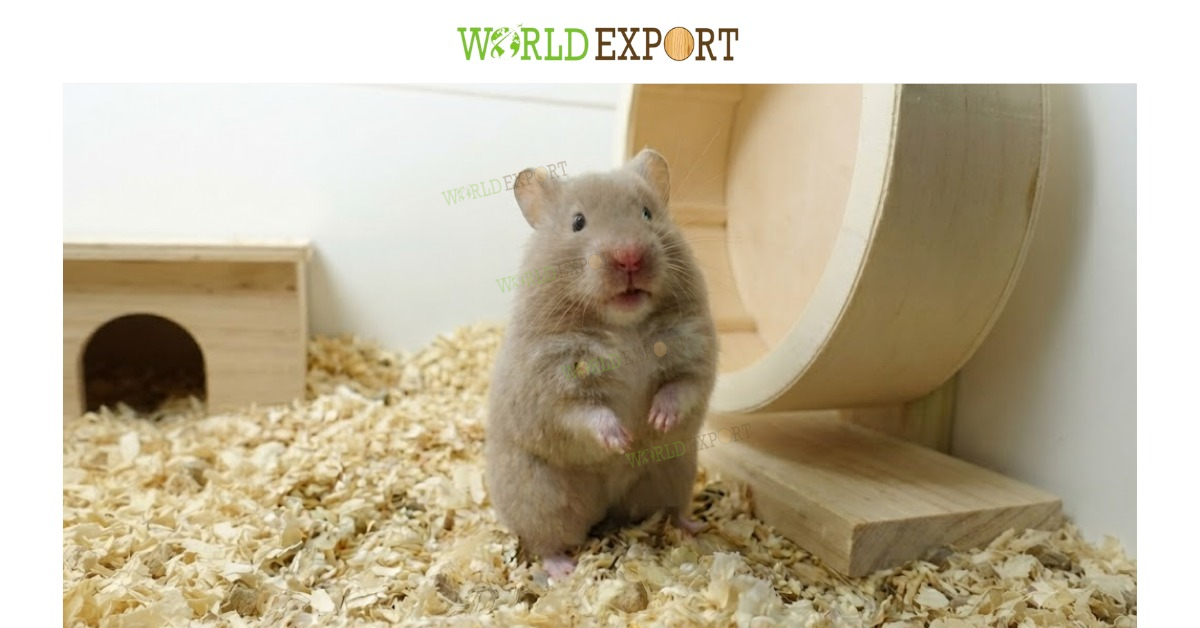
Can You Use Cherry Wood Shavings for Guinea Pigs?
Cherry wood shavings are not recommended for guinea pigs because fruit wood materials may have inconsistent safety profiles and are difficult to standardize for commercial production.
Unlike controlled bedding materials such as aspen, cherry wood can vary depending on processing conditions, chemical composition, and supply source.
For international suppliers, using standardized species provides better quality control. This is why professional manufacturers usually focus on:
- Aspen
- Properly processed pine
These materials offer more reliable performance for large-scale production.
Technical Specifications for Safe Guinea Pig Wood Shavings
For manufacturers and wholesalers, producing safe wood shavings for guinea pigs requires strict quality control throughout the production process.
A reliable bedding product should control:
- Raw material selection
- Drying conditions
- Dust removal
- Flake consistency
- Packaging protection
These factors determine whether the final product is suitable for indoor pet applications.
Achieving Dust Free Wood Shavings for Guinea Pigs
Dust control is one of the most important requirements for premium guinea pig bedding.
During manufacturing, wood shavings should pass through mechanical screening systems to remove fine particles. Advanced suppliers use:
- Cyclonic dust extraction
- Multi-stage screening
- Air separation systems
These processes reduce airborne particles that may irritate guinea pigs’ respiratory systems.
Premium dust free wood shavings for guinea pigs should contain minimal powder-like particles while maintaining enough structure for absorbency.
Kiln-Drying Standards for Pine Wood Shavings Guinea Pigs
Pine wood shavings can be suitable for guinea pigs when properly processed.
The kiln-drying process removes excess moisture and reduces naturally occurring aromatic compounds. Professional manufacturers typically control:
- Drying temperature
- Processing duration
- Final moisture content
A moisture level between 8–12% is commonly targeted for stable storage and international shipping.
Proper kiln drying helps prevent:
- Mold growth
- Unpleasant odors
- Product degradation during transportation
This makes processed pine wood shavings guinea pigs products safer and more reliable for commercial distribution.

Flake Size and Absorbency Rates
Flake size affects comfort, absorbency, and cage cleanliness.
| Flake Type | Characteristics | Application |
| Fine flakes | High absorption but more dust risk | Requires advanced screening |
| Medium flakes | Balanced absorption and comfort | Preferred for guinea pig bedding |
| Large flakes | Better airflow and less compression | Suitable for premium products |
Medium-sized flakes are often preferred because they provide softness while maintaining good moisture control.
Material Comparison: Fleece or Wood Shavings for Guinea Pigs
The competition between fleece or wood shavings for guinea pigs depends on consumer preference and retail strategy.
| Factor | Wood Shavings | Fleece Bedding |
| Purchase model | Repeated consumption | One-time purchase |
| Replacement frequency | Regular | Occasional washing |
| Retail opportunity | Continuous sales | Lower repeat purchase |
| Odor control | Strong with quality shavings | Depends on maintenance |
From a wholesale perspective, wood shavings provide a recurring revenue opportunity because customers continuously repurchase bedding.
Fleece products may appeal to environmentally conscious consumers, but they require washing, maintenance, and higher upfront costs.
For retailers, premium wood shavings for guinea pig bedding remain an important category due to convenience and repeat demand.
The Best Wood Shavings for Guinea Pigs: Procurement Checklist
When selecting international suppliers, buyers should evaluate five key areas:
- Wood Species Verification
Confirm that the supplier uses approved materials such as aspen or properly processed pine.
- Kiln-Drying Records
Request production documents showing moisture control and drying procedures.
- Dust Extraction System
Verify whether the factory uses screening and dust removal equipment.
- Certification Verification
Check sustainability certifications such as FSC or PEFC when required.
- Packaging Strength
Ensure packaging protects products from moisture contamination during transportation.
Reliable suppliers should provide consistent specifications for every shipment.
B2B FAQ: Common Questions About Guinea Pig Wood Shavings
Are Wood Shavings OK for Guinea Pigs?
Yes, wood shavings are OK for guinea pigs when they are made from safe wood species such as aspen or properly kiln-dried pine and processed with effective dust removal systems.
The safety depends on manufacturing quality, not only the wood material itself.
Can Guinea Pigs Use Wood Shavings From Lumber Yards?
No, guinea pigs should not use random wood shavings from lumber yards because they may contain chemical treatments, preservatives, paint residue, or mixed wood species.
Commercial pet bedding requires controlled sourcing, processing, and quality testing.
Can Guinea Pigs Have Wood Shavings for Bedding?
Yes, guinea pigs can have wood shavings for bedding when the product is specifically manufactured for small animals with low dust, safe wood species, and proper moisture control.
Premium suppliers focus on producing clean and consistent bedding materials that support animal comfort and retailer confidence.
World Export – Reliable Supplier of Premium Wood Shavings
Choosing the right supplier is essential for businesses entering the premium small pet bedding market.
World Export provides high-quality wood shavings designed for international pet bedding applications. Products are manufactured with controlled raw materials, moisture management, and professional screening processes.
Key advantages include:
- Consistent wood sourcing: Stable supply from controlled production facilities.
- Quality processing: Dust reduction and moisture control for safer applications.
- Export-ready packaging: Designed to protect products during international transportation.
- B2B supply capability: Suitable for wholesalers, distributors, and pet product brands.
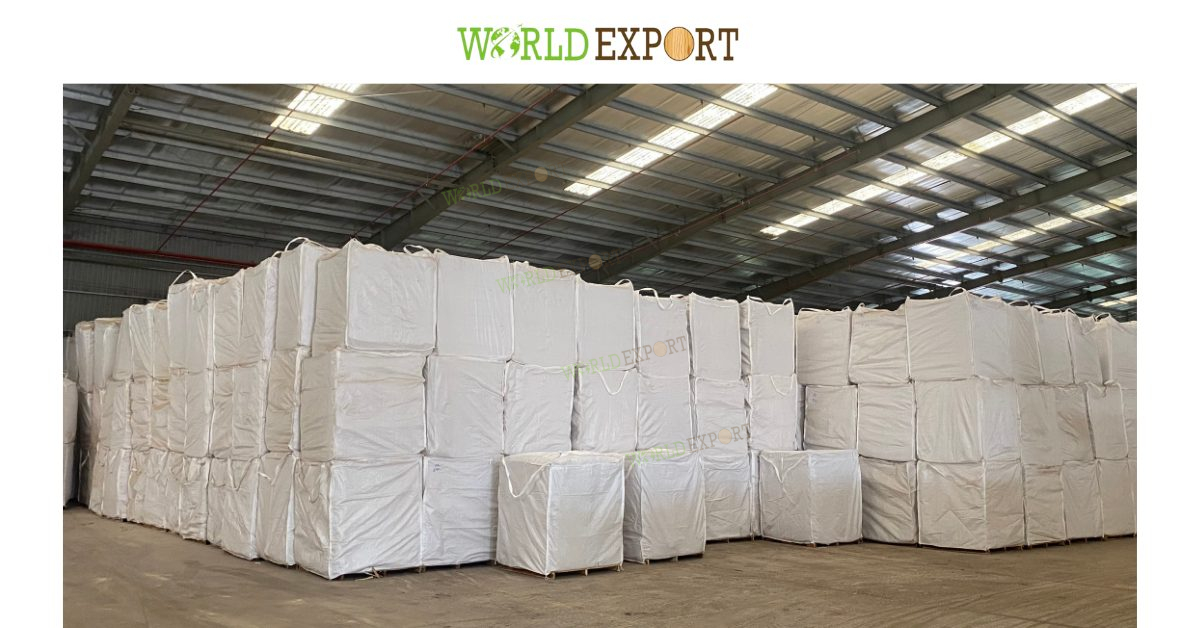
For businesses looking for reliable wood shavings for guinea pigs, World Export provides professional solutions with stable quality and export experience.
Contact us today to receive detailed product specifications and a competitive quotation tailored to your requirements.
WORLD EXPORT COMPANY LIMITED
No. 35, Street 12, Van Phuc 1 Residential Area, Quarter 5, Hiep Binh Ward, Ho Chi Minh City, Vietnam
Tel / WhatsApp / KakaoTalk: +84 932 632 317
Email: supportwe@worldexport.com.vn