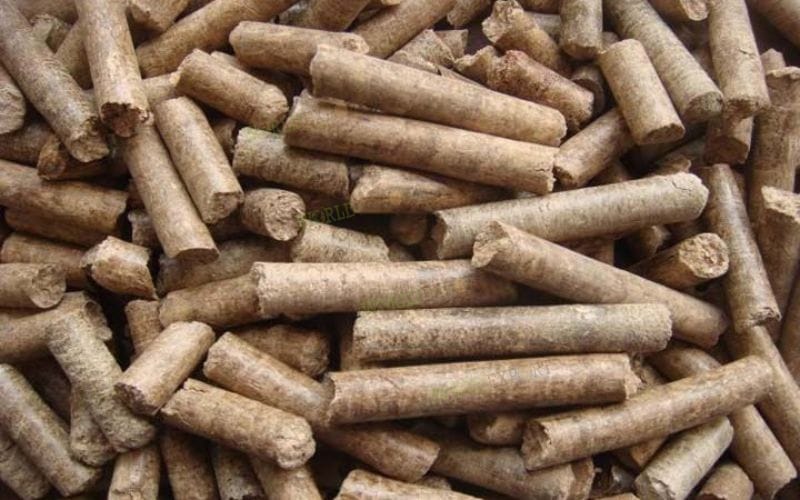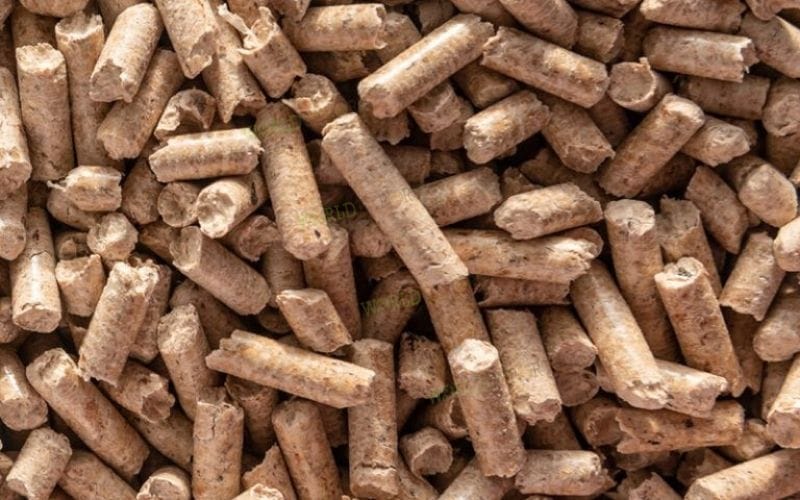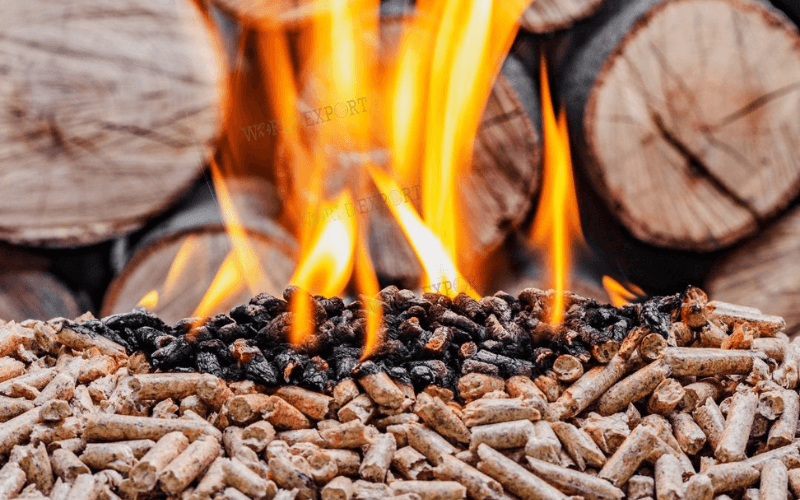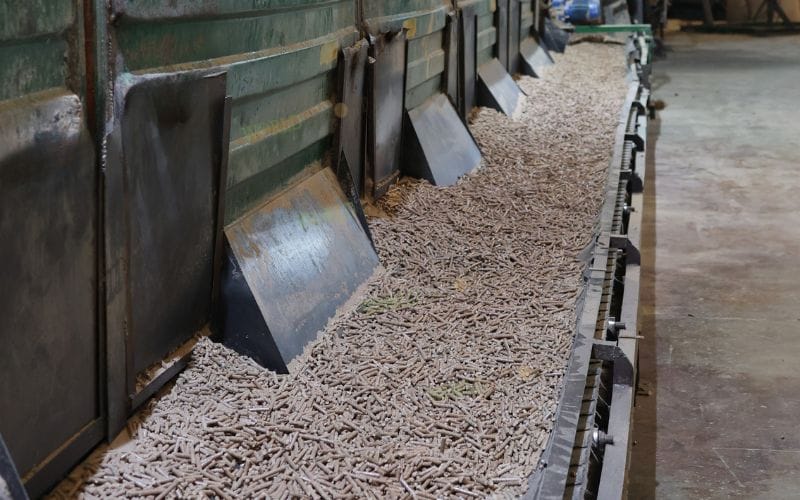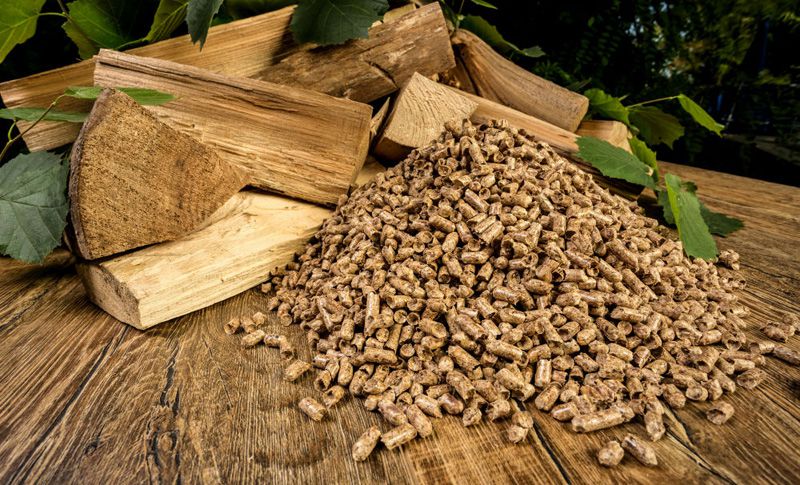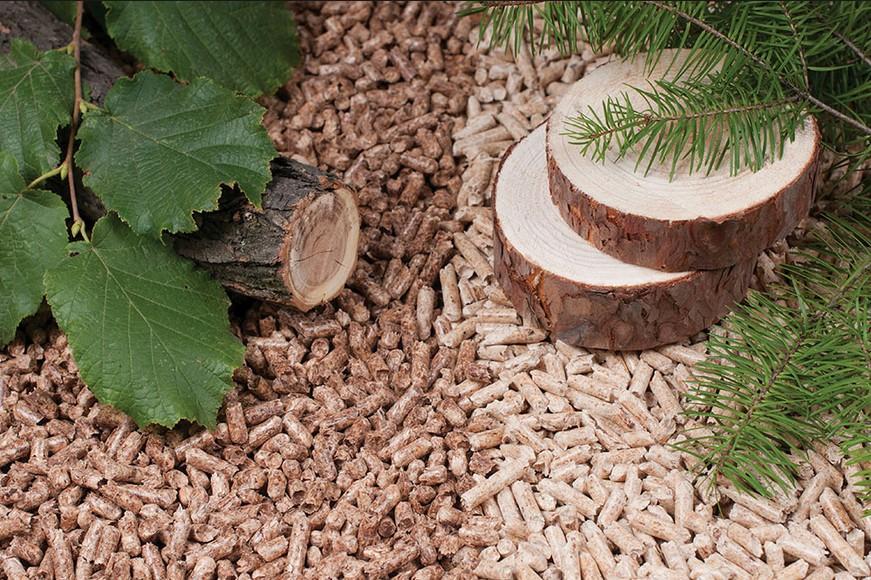






Wood pellet export Japan activities continue expanding as Japan increases renewable energy investments and strengthens its transition toward low-carbon energy sources. With growing biomass fuel consumption across industrial sectors, the country has become one of Asia’s largest importers of industrial wood pellets.
For exporters, the pellet Japan market offers strong long-term opportunities. However, Japanese buyers focus on more than pricing alone. Quality consistency, sustainability, compliance, and reliable logistics are now critical factors when selecting long-term biomass fuel suppliers.
Businesses entering the Japanese biomass industry must therefore understand market expectations, technical standards, and supply chain transparency to remain competitive.
Why Japan’s Biomass Market Continues to Grow
Japan’s renewable energy policies have significantly increased demand for industrial biomass fuel over the past decade. Government programs supporting renewable electricity generation continue encouraging investments in biomass power plants and co-firing systems.
Because domestic biomass production remains limited, Japan relies heavily on imported pellets to support industrial energy demand.
This trend continues creating long-term opportunities for suppliers across Southeast Asia, especially Vietnam.
Renewable Energy Expansion in Japan
Japan aims to reduce carbon emissions while maintaining stable energy production. Biomass energy is considered an important solution because it provides continuous fuel supply compared with some weather-dependent renewable sources.
As renewable energy investments continue increasing, the pellet Japan market is expected to remain highly active in the coming years.
Rising Demand for Imported Industrial Pellets
Japanese energy companies continue increasing imports from Vietnam and other Asian countries to secure long-term fuel supply stability.
Reliable exporters capable of maintaining stable production and shipment schedules are becoming increasingly valuable within the regional biomass industry.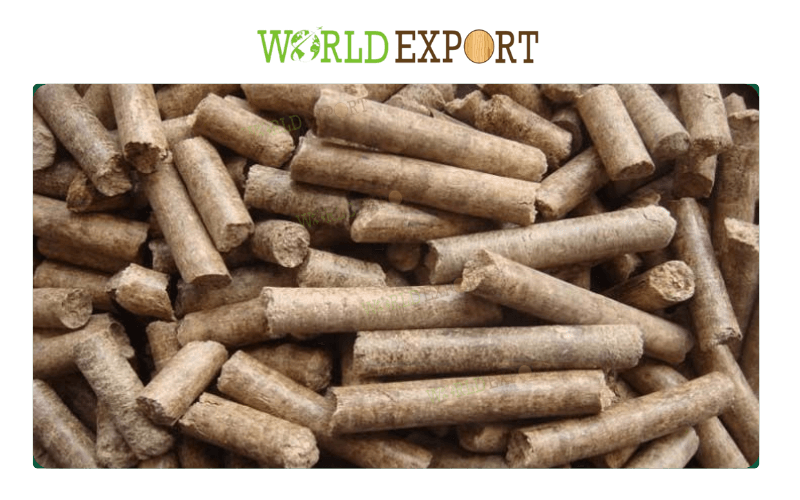
Why Vietnam Is Competitive in the Japanese Biomass Industry
Vietnam has become one of the region’s leading biomass fuel exporters thanks to strong manufacturing capabilities and abundant raw material availability.
Compared with suppliers from North America or Europe, Vietnamese exporters often provide:
- Shorter shipping lead times
- Competitive production costs
- Flexible logistics solutions
- Stable manufacturing capacity
These advantages strengthen Vietnam’s position in biomass export Japan operations.
Stable Raw Material Supply
Vietnam benefits from large volumes of wood-processing byproducts that support industrial pellet production.
This allows manufacturers to maintain stable supply capacity while supporting growing international demand.
Logistics Advantages for Asian Markets
The close geographic distance between Vietnam and Japan helps reduce transportation costs and improve delivery flexibility compared with more distant suppliers.
This creates additional competitiveness within the Japanese biomass market.
Quality Standards Required by Japanese Buyers
Quality control remains one of the most important factors in the pellet Japan market. Fuel quality directly affects combustion efficiency, operational stability, and maintenance costs for biomass power plants.
A professional pellet supplier Japan companies trust is generally expected to provide:
- Low moisture content
- Low ash content
- High calorific value
- Uniform pellet size
- Strong pellet durability
Why Product Consistency Matters
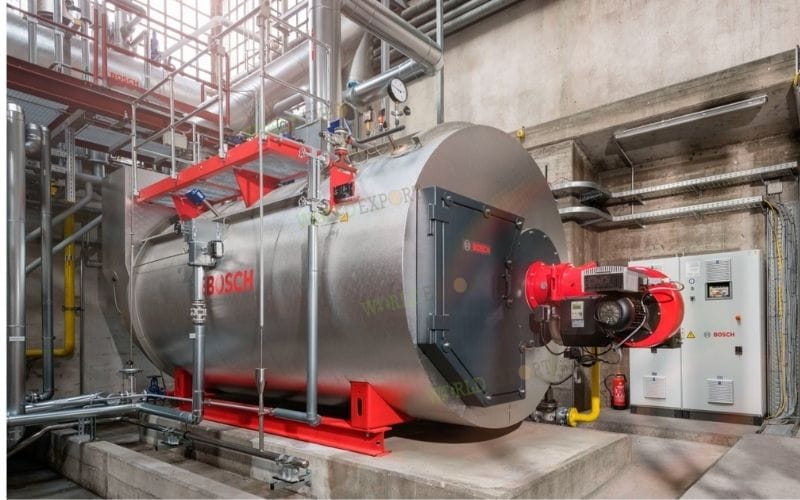
Inconsistent fuel quality can create serious operational problems for industrial boilers and power generation systems.
Poor-quality pellets may lead to:
- Increased ash accumulation
- Reduced combustion efficiency
- Higher maintenance costs
Because of this, Japanese companies often prioritize suppliers capable of maintaining stable quality standards across every shipment.
Technical Expectations from Japanese Buyers
Importers typically request detailed product specifications and inspection reports before establishing long-term agreements.
Reliable biomass suppliers must therefore maintain strong quality control systems throughout the production process.

Compliance Requirements for Biomass Export Japan
Compliance and sustainability have become increasingly important within the Japanese renewable energy sector. Buyers now place strong emphasis on traceability and responsible sourcing practices.
To compete effectively in biomass export Japan activities, exporters are often expected to prepare:
- FSC or PEFC certification
- Product specification sheets
- SGS inspection reports
- Sustainable sourcing documents
- Traceability records
Sustainability and Traceability Standards
Japanese energy companies want assurance that biomass materials are legally and responsibly sourced.
Businesses supplying biomass fuel to Japan must therefore maintain transparent sourcing systems and clear production records.
Strong compliance systems help suppliers:
- Improve buyer confidence
- Reduce operational risks
- Strengthen long-term partnerships
- Increase competitiveness in the pellet Japan market
Reliability Is Essential in the Japanese Market
Japanese business culture places strong importance on consistency and operational reliability.
A dependable pellet supplier Japan importers choose should demonstrate:
- Stable shipment schedules
- Consistent product quality
- Professional communication
- Responsible sourcing practices
Long-term reliability is often considered more important than short-term price advantages.
Challenges Facing Suppliers in the Pellet Japan Market
Although demand remains strong, competition within the Japanese biomass industry continues increasing.
Exporters from Vietnam compete with suppliers from:
- Canada
- Indonesia
- Malaysia
- United States
At the same time, suppliers face several operational challenges, including:
- Rising raw material costs
- Shipping fluctuations
- Sustainability requirements
- Production consistency management
Despite these pressures, companies that maintain stable operations and reliable supply performance continue strengthening their position in the regional biomass energy market.
World Export – Trusted Pellet Supplier Japan Buyers Can Rely On
World Export supports international biomass fuel demand through professional production systems and export-focused operations.
The company focuses on:
- Stable industrial pellet production (average 32,000 tons/month)
- Consistent product quality
- Sustainable sourcing practices with FSC Certification
- Reliable export logistics support
With experience serving international markets, World Export understands the importance of compliance, operational stability, and long-term customer relationships.
For additional insights into renewable energy development and biomass policies, businesses can also refer to international energy organizations and Japanese renewable energy resources.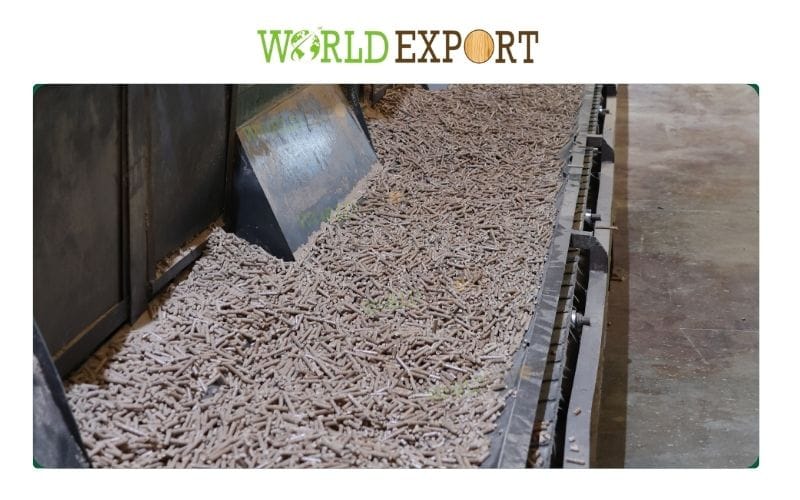
Building Long-Term Success in Japan’s Biomass Market
The future of the pellet Japan market remains highly promising as Japan continues expanding renewable energy investments and industrial biomass fuel consumption.
However, long-term success requires more than production capacity alone. Exporters must consistently meet technical standards, maintain transparent compliance systems, and support reliable delivery performance to remain competitive in biomass export Japan operations.
For businesses seeking a dependable pellet supplier Japan buyers can trust for stable fuel supply and long-term cooperation, World Export offers professional export solutions backed by quality control, sustainable sourcing, and international market experience.
Learn more about our industrial wood pellet products for biomass energy applications on our Wood Pellet product page
WORLD EXPORT COMPANY LIMITED
No. 35, Street 12, Van Phuc 1 Residential Area, Quarter 5, Hiep Binh Ward, Ho Chi Minh City, Vietnam
Tel / Whatsapp / Kakaotalk: +84 932 632 317
Email: supportwe@worldexport.com.vn