






As the world shifts towards cleaner energy, biomass fuel pellets are emerging as a powerful and sustainable solution. Made from organic materials, these pellets provide an efficient, cost-effective alternative for a wide range of applications, from home heating to large-scale power generation. Understanding their potential is key to unlocking a greener future.
What Are Biomass Pellets?
Definition and raw materials
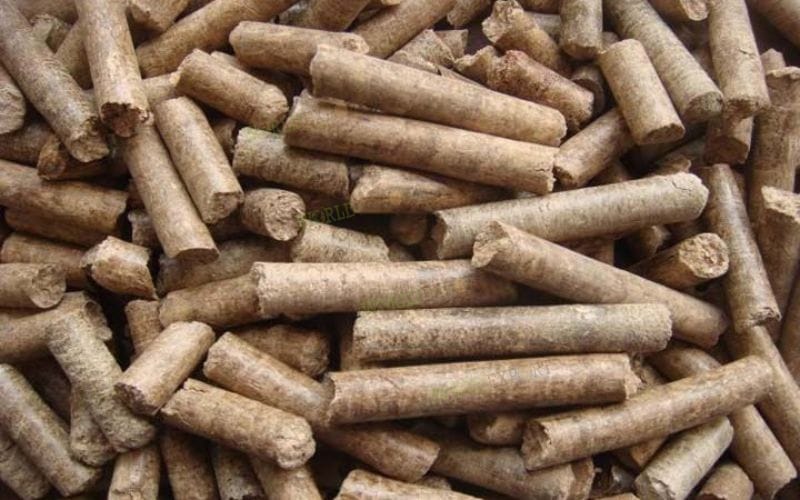
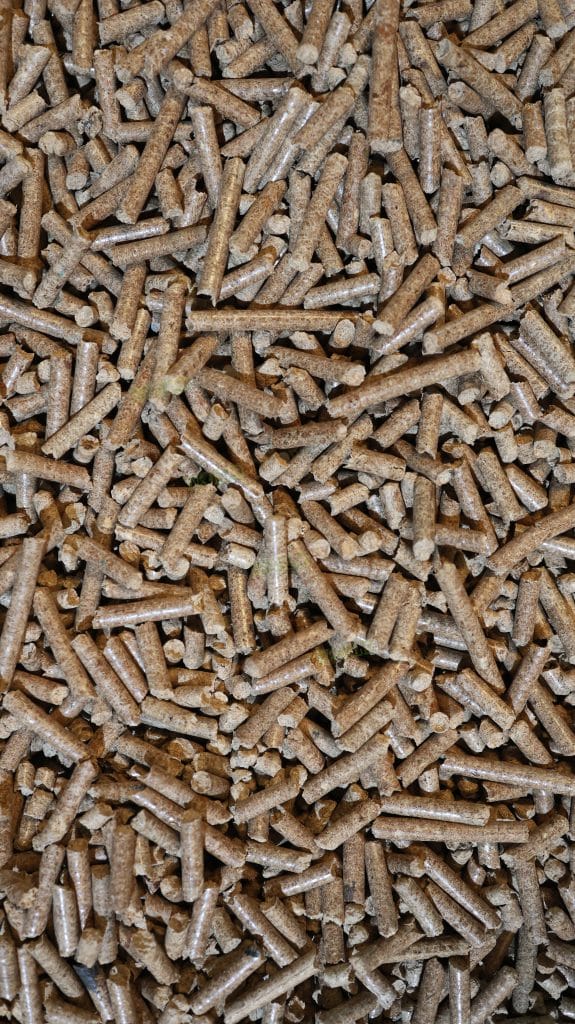
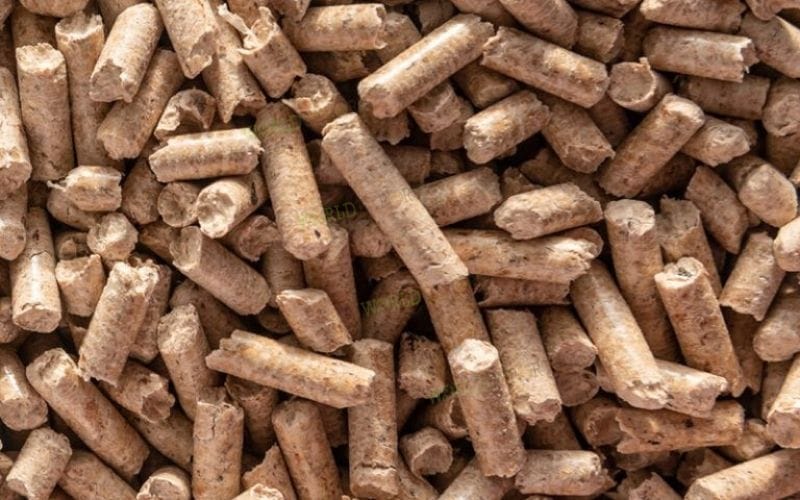
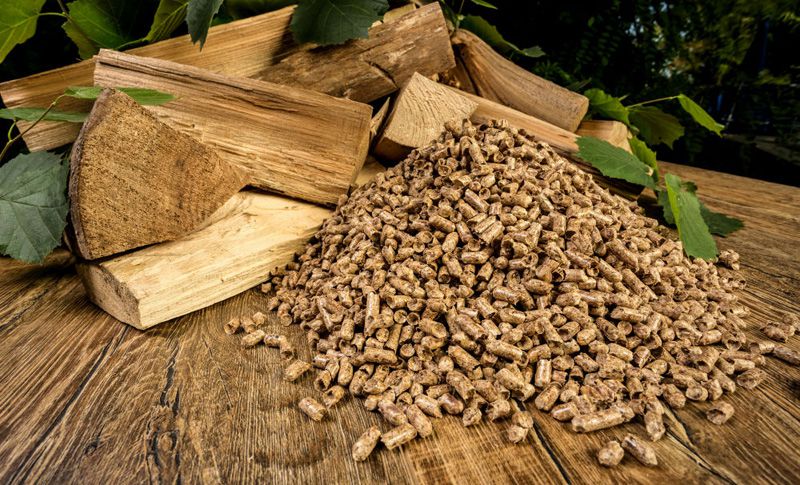
Biomass fuel pellets are a type of solid biofuel created by compressing organic matter into small, dense, cylindrical forms. The primary advantage of this densified format is that it creates a fuel with standardized properties, high energy content, and high density, which simplifies transport and handling.
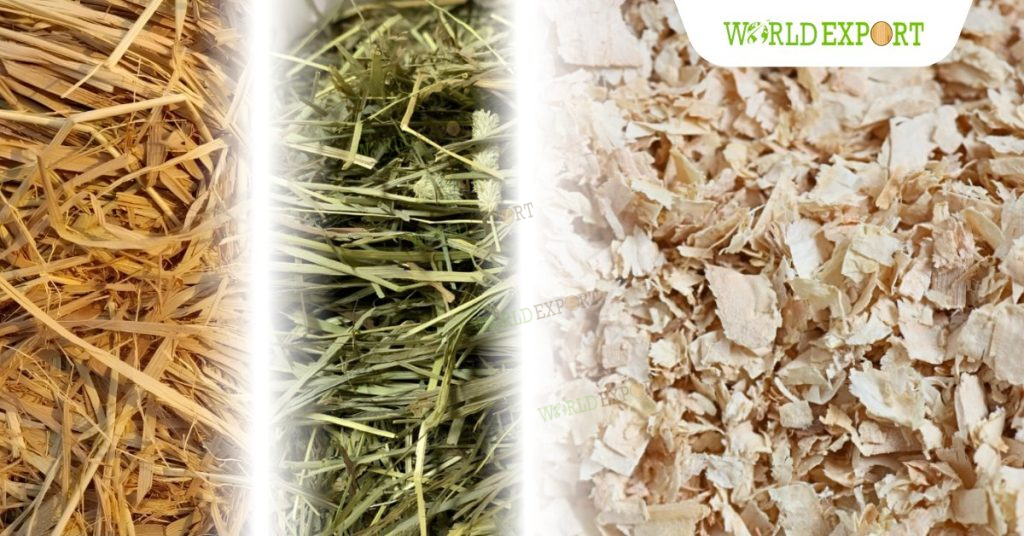
The raw materials for biomass pellets are incredibly diverse and sourced from various biological origins, including forestry residues like sawdust and wood chips, as well as agricultural byproducts such as rice husks, straw, sugarcane bagasse, and coffee husks. This versatility allows for the utilization of what would otherwise be waste materials, turning them into a valuable energy resource.
Difference between biomass pellets and traditional fuels
The fundamental difference between biomass pellets and traditional fossil fuels (like coal, oil, and natural gas) lies in their renewability and carbon cycle impact. Biomass is a renewable resource, as the organic materials used to create pellets can be regrown in a relatively short period.
From an environmental perspective, biomass is considered carbon-neutral; the carbon dioxide released during combustion is roughly equivalent to the amount absorbed by the plants during their growth cycle. In contrast, fossil fuels are non-renewable and release vast amounts of stored carbon into the atmosphere when burned, contributing directly to the greenhouse effect and climate change.
Furthermore, biomass pellets typically have significantly lower sulfur content, resulting in fewer harmful emissions like sulfur dioxide (SO2) compared to coal.

Applications of Biomass Pellets in Daily Life
Residential heating and cooking
In residential settings, biomass pellets have become a popular, modern solution for heating and cooking, replacing traditional methods like burning cordwood. Pellet stoves and boilers offer automated, efficient, and clean combustion, providing consistent heat for homes with far less manual effort.

Modern pellet-based cookstoves, utilizing gasification techniques, also provide a high-efficiency and low-emission solution for cooking, significantly improving indoor air quality compared to traditional biomass stoves.
Industrial boilers and power generation
Industries utilize pellets to generate steam and process heat for manufacturing, drying, and other operations, replacing fossil fuels like coal and natural gas to reduce both costs and carbon emissions.
In the energy sector, power plants are increasingly co-firing biomass pellets with coal or transitioning entirely to biomass to produce electricity.
Agricultural and rural energy solutions
Biomass pellets provide a powerful energy solution for agricultural and rural communities by turning local waste into a valuable resource. Farmers can convert crop residues – such as stalks, husks, and straw – into pellets, creating a sustainable fuel source for heating greenhouses, drying crops, or powering farm equipment.
Benefits of Using Biomass Pellets
Renewable and eco-friendly
Biomass pellets are a renewable energy source derived from organic matter. Their use is considered carbon-neutral, as the CO2 released during combustion is offset by what the plants absorbed during growth. This helps mitigate climate change by not adding new carbon to the atmosphere.
Cost-effective energy source
The price of biomass pellets is significantly more stable than volatile fossil fuels, leading to predictable energy bills. Utilizing local agricultural and forestry waste reduces dependence on imported fuels and offers substantial long-term savings for both residential and industrial users.
High efficiency and low emissions
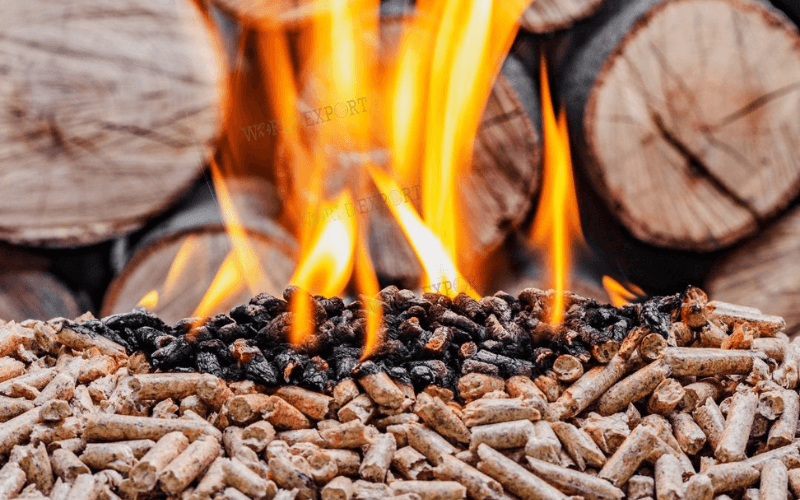
Thanks to their low moisture and high density, pellets burn with over 80% efficiency, generating more heat from less fuel. This clean combustion process results in minimal emissions of harmful pollutants and produces very little ash, simplifying maintenance.
How to Make Biomass Fuel Pellets
- Crushing: Raw materials such as wood chips and sawdust are fed into a crusher to produce smaller, uniform particles.
- Drying: The material is then dried to significantly reduce its moisture content.
- Pelletizing: The dried material is compressed in a pelletizing machine under high pressure and heat to form dense pellets.
- Cooling & Packaging: The hot pellets are cooled to harden, then packaged and prepared for shipment.
Where to Buy High-Quality Biomass Fuel Pellets
Choosing the right supplier
Selecting the right supplier is crucial to ensure a consistent and high-quality fuel supply. Look for established partners with proven experience in the biomass industry and a commitment to transparency. Companies with a strong international presence, such as World Export, often have the expertise to navigate global trade complexities, ensuring a secure and efficient energy supply chain for their clients.
Price considerations and bulk buying tips
While the wood pellets price per ton is an important factor, true value lies in the balance between cost and quality. It’s often beneficial to consider bulk purchasing, as this can significantly reduce the per-unit cost and protect your operations from market volatility. Suppliers with extensive logistics networks are typically able to offer more competitive pricing, ensuring you receive the best possible value for your investment.
Certifications and quality assurance
To guarantee you’re buying high-quality pellets, always prioritize suppliers who adhere to recognized certifications and stringent quality assurance standards. These certifications ensure the product meets specific criteria for energy content, moisture, and ash levels. Reputable exporters like World Export consistently invest in these quality checks, providing you with the confidence that you are receiving an efficient, safe, and reliable fuel source.
World Export is currently the market leading supplier in Vietnam, trusted by a wide range of domestic and international partners. We provide a diverse portfolio of high-quality products with large quantities always in stock, ready to meet your specific requirements.
Reach out now for full product details and a quote with our current biomass pellets price per ton.
WORLD EXPORT COMPANY LIMITED
No. 35, Street 12, Van Phuc 1 Residential Area, Quarter 5, Hiep Binh Ward, Ho Chi Minh City, Vietnam
Tel / Whatsapp / Kakaotalk: +84 932 632 317
Email: supportwe@worldexport.com.vn