


If you’re considering a switch to heating fuel pellets but are undecided between wood pellets and wood chip, you’re in the right place. Both options have unique benefits and applications, and understanding their differences is crucial for making a smart investment.
This article will put wood pellets and wood chip head-to-head, providing an in-depth analysis of their advantages and disadvantages to give you a comprehensive overview.
Understanding Biomass Heating Fuel
Biomass fuel is a renewable energy source derived from organic materials. It stands as an eco-friendly alternative to traditional fossil fuels, offering a sustainable solution for heating and power generation. Among the various types, wood pellets and wood chip are the two most popular choices, each with its own distinct strengths.
What Are Wood Pellets?
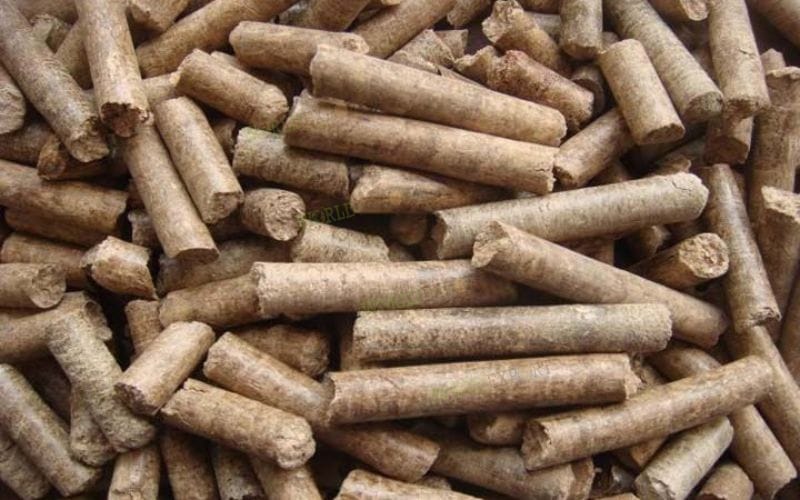
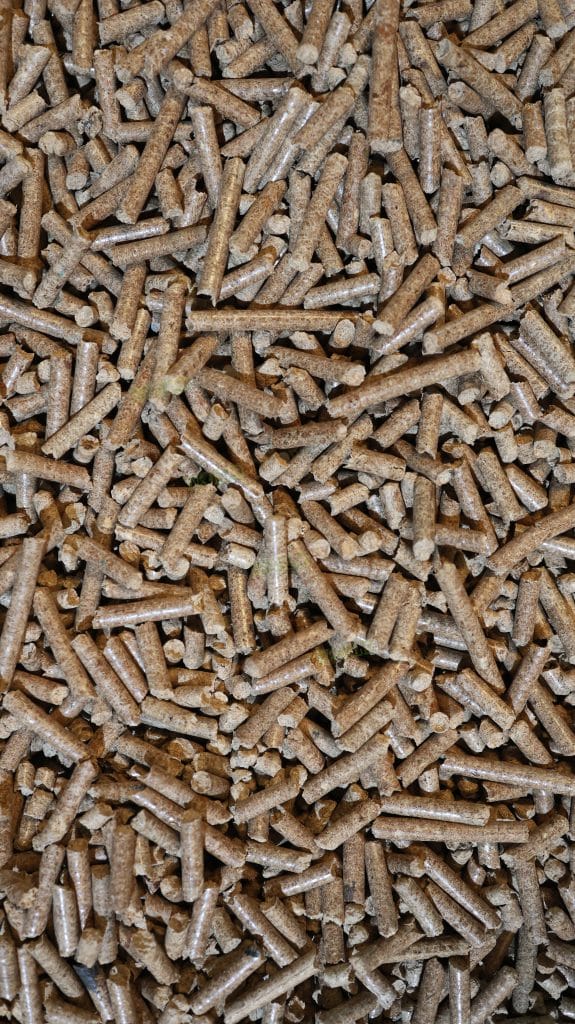
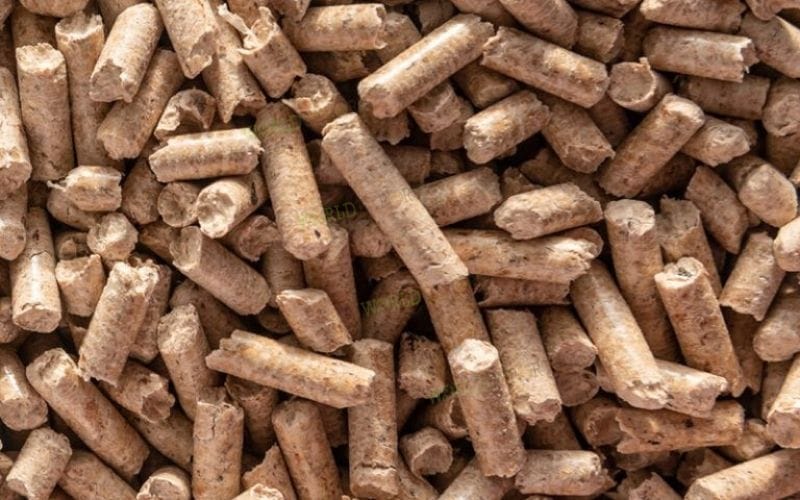
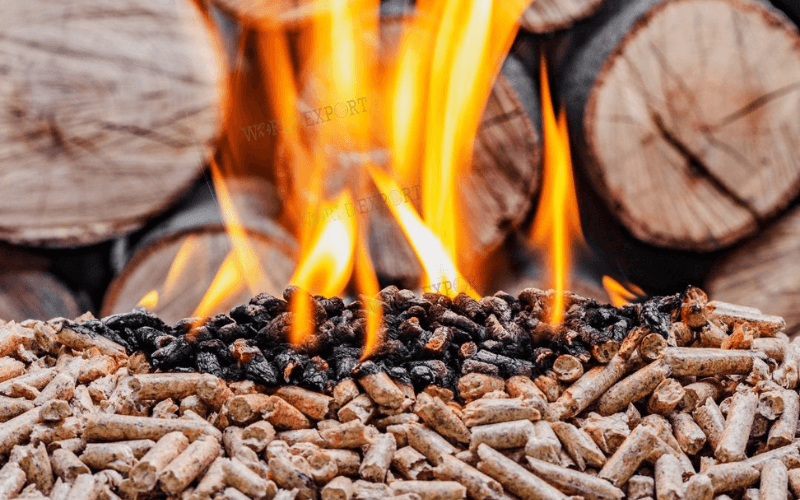
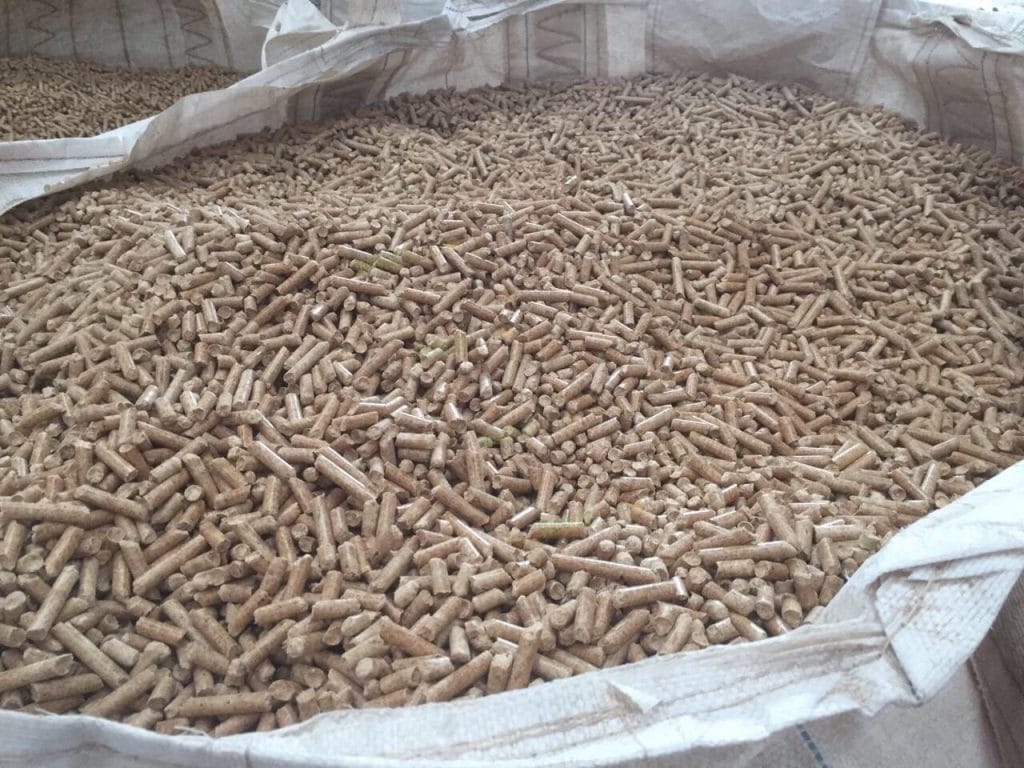
Wood pellets are a renewable biofuel produced by compressing sawdust and wood shavings into dense, uniform cylinders. They provide a clean-burning, cost-effective solution, standing as a superior alternative to fossil fuels like coal, oil, and natural gas heating. Widely used across the globe, these heating fuel pellets serve residential, commercial, and industrial energy needs.
In most markets, Mixed Wood Pellets (from acacia, pine, and rubber wood) are the most common type of wood pellets for heating in both industrial and residential settings due to their stable burning efficiency. In contrast, Pine Wood Pellets are preferred in certain regions for their pleasant aroma during combustion, though they are less common.
To see how these sustainable solutions can effectively replace traditional fossil fuels, discover more about our high-performance wood pellet products.
What Are Wood Chips?
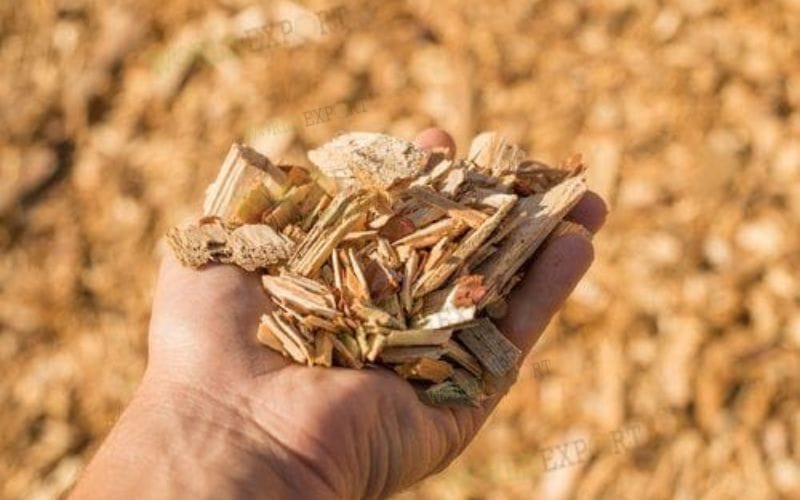
Wood chips are small-to-medium-sized pieces of wood created by cutting or chipping larger wood materials like tree trunks, branches, or stumps. They can also be sourced from byproducts of logging operations and recycled wood waste.
Typically, wood chips are mechanically processed to a uniform size, usually between 10 mm and 45 mm, which allows for automated feeding into boilers. The higher the surface-area-to-volume ratio, the more efficiently the wood chip for heating will burn.
At World Export, our wood chips are made from high-quality Acacia or Eucalyptus wood, ensuring consistent density and performance. Each chip measures between 1 – 4.5 cm with a moisture content of around 25%, while rot and bark are limited to a maximum of 3%. These specifications guarantee a clean burn and stable quality for industrial applications.
Beyond these specifications, you can explore the diverse advantages and applications of our high-quality wood chips.
Wood Pellets: Advantages and Disadvantages
The Advantages
- High Efficiency: Wood pellets have a very low moisture content, allowing them to burn more efficiently, produce more heat, and generate fewer emissions. Many consider them the best heating pellets for this reason.
- Convenience: They are typically sold in compact, easy-to-handle bags, which simplifies transportation and storage.
- Consistent Quality: This fuel is manufactured under strict standards for size and moisture, ensuring a more reliable and consistent quality compared to wood chips.
- Automation-Friendly: Pellet boilers can be fully automated with self-feeding systems, eliminating the need for manual loading. They can also integrate seamlessly with thermostats, timers, and other temperature controls.
The Disadvantages
- Higher Cost: Wood pellets can be more expensive than wood chips due to a more complex manufacturing process and associated shipping costs.
- Limited Source Material: Not all wood types are suitable for pellet production, as the raw material must have specific characteristics, such as low moisture content.
- Specialized Equipment: Using wood pellets requires a dedicated pellet boiler, which can represent a higher upfront investment compared to traditional wood-burning systems.

Wood Chip for Heating: Advantages and Disadvantages
The Advantages
- Wide Availability: Because wood chips can be produced at local sawmills and furniture factories, they are often widely available and easier to source.
- Cost-Effective: Wood chips are generally cheaper than other biomass fuels like pellets, making them a more budget-friendly choice for many users.
- Waste Reduction: Using wood chips for fuel helps reduce waste from the logging and wood manufacturing industries.
- Versatility: Wood chips can be used in a variety of heating systems, including boilers, furnaces, and stoves, making them a highly flexible option.
The Disadvantages
- High Moisture Content: Wood chips often have a higher moisture level, which reduces burning efficiency and may lead to more frequent boiler maintenance.
- Higher Ash Production: Burning wood chip produces more ash and creosote than pellets, which can clog chimneys and require more frequent cleaning.
- Bulky and Difficult to Store: This fuel is cumbersome and can be challenging to handle and store, especially without adequate space and proper equipment.
- Inconsistent Quality: The quality of wood chips can vary significantly depending on the source, which directly impacts their burning performance. Poorly sourced chips may contain dirt, debris, or other contaminants that affect combustion.

Contact World Export for Your Biomass Boiler Needs
Overall, whether wood pellets and wood chip are the better choices for your biomass boiler will depend on your individual needs and circumstances. By comparing the cost and efficiency of wood pellets and wood chip, you can select the right fuel to optimize your energy output. To stay updated with the latest market trends, product insights, and exclusive offers, you can follow World Export on our official WhatsApp channel.
World Export is currently the market leading supplier in Vietnam. We have products available in quantities ready to meet your requirements. Contact to receive product information and quotation.
WORLD EXPORT COMPANY LIMITED
No. 35, Street 12, Van Phuc 1 Residential Area, Quarter 5, Hiep Binh Ward, Ho Chi Minh City, Vietnam
Tel / Whatsapp / Kakao Talk: +84 932 632 317
Email: supportwe@worldexport.com.vn