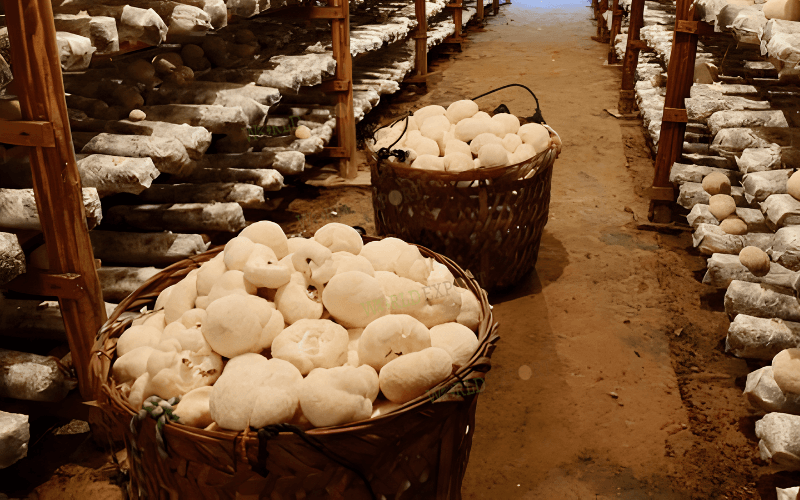







How did a simple wood byproduct evolve into a key player in global energy? The development history of biomass pellets is a story of innovation, born from the 1970s energy crisis in Europe. Today, this fuel source is a global commodity, with new, high-demand markets in Asia driving its future growth. This article explores that journey.
What Is Biomass Pellets?
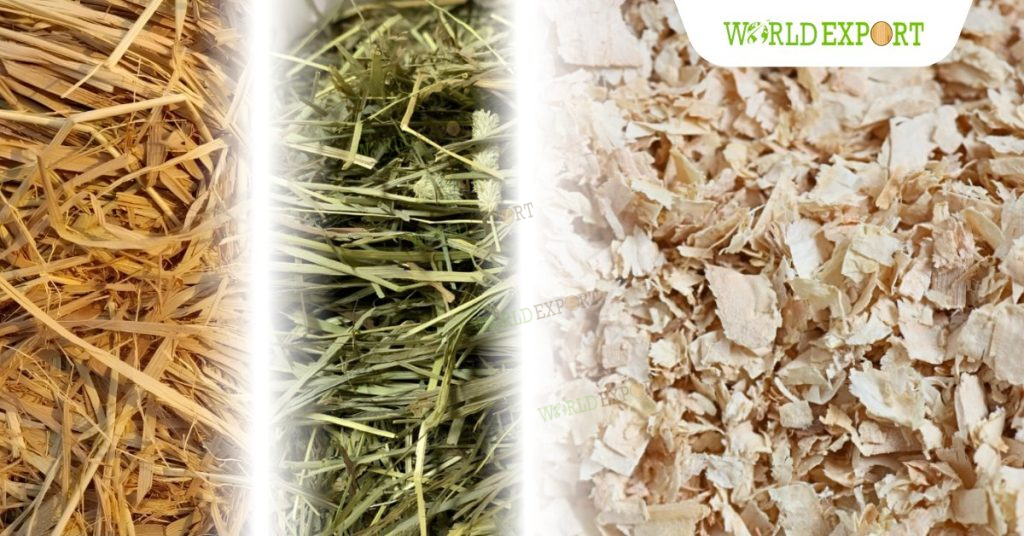
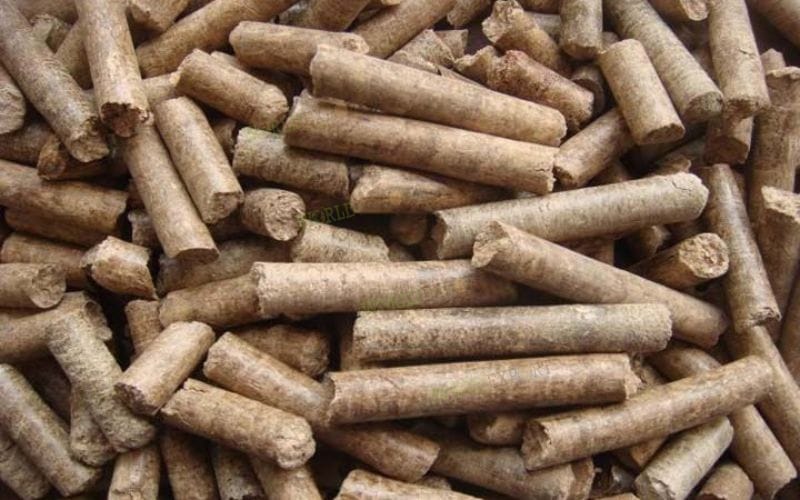
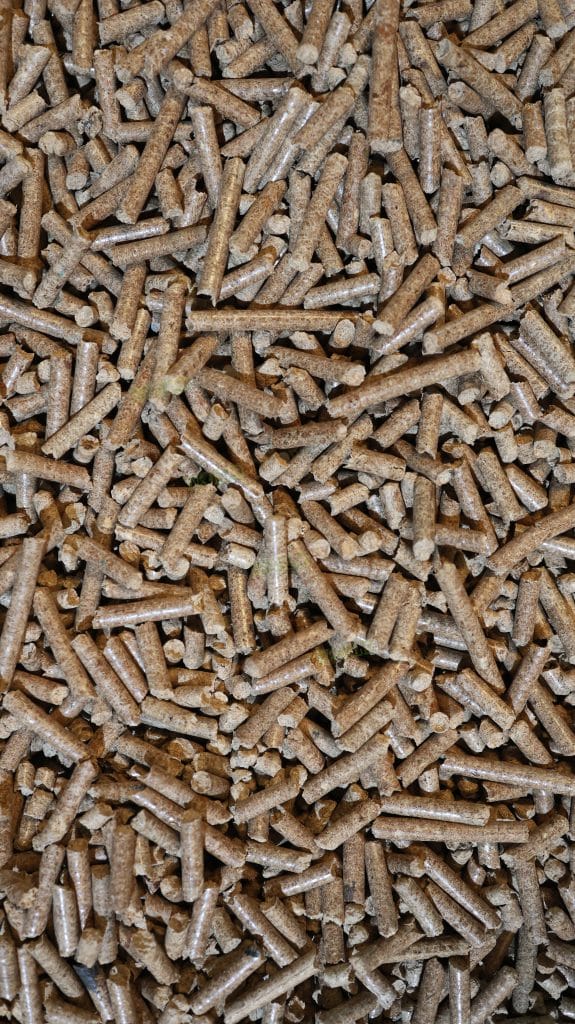
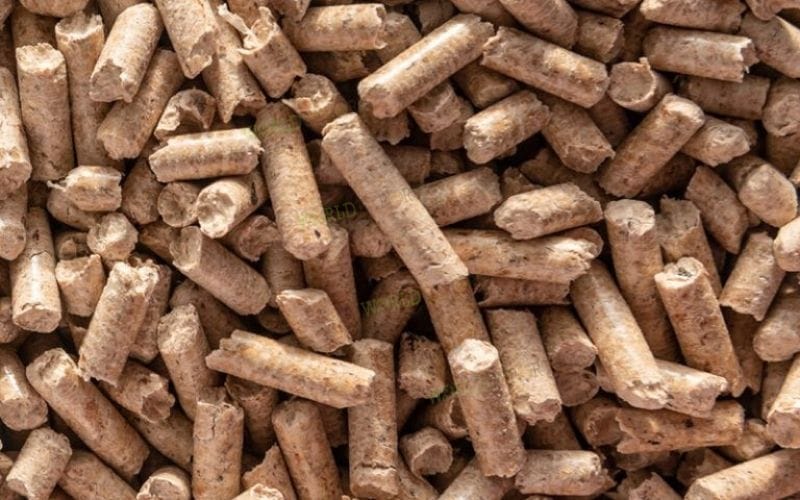
Biomass fuel pellets are a solid biofuel created by compressing organic matter into small, dense, cylindrical forms. This densification is key, as it creates a fuel with standardized properties, high energy content, and high density, which simplifies transport and handling. The raw materials are incredibly diverse, including forestry residues like sawdust and wood chips, as well as agricultural byproducts such as rice husks, straw, and coffee husks, effectively turning waste into a resource.

Biomass Pellets In Europe
The energy crisis of the 1970s compelled people to search for viable alternatives to fossil fuels, and biomass pellets quickly became a recognized option. The technology was adapted from existing machines used to create animal feed pellets; with technological enhancements, these machines were modified to process high-density and high-hardness wood materials. Sweden emerged as the pioneer of this new biomass energy, driven by its well-developed wood industry, a national desire for energy independence, and a strong commitment to environmental protection.
Wood pellet production in Sweden commenced in the late 1970s, culminating in the construction of the first plant in Mora, which began operations in November 1982. However, this early venture was short-lived and closed down in 1986. The facility attempted to transform oil-firing boilers into pellet boilers, but this resulted in low energy efficiency. A major contributing factor to its failure was its use of pellets made from bark, which were of poor quality and had an extremely high ash content, ranging from 2.5% to 17%.
Following this, a new wood pellet plant was established in Vargada in 1984, though it also closed in 1989, with the Volvo group as its final owner. A more successful endeavor began in 1987 with the establishment of the first dry material pellet plant in Kil. This plant, which had an initial production capacity of 3,000 tons per year, holds the distinction of being the longest-running commercial wood pellet plant in Sweden and remains in operation today.
The true turning point for the industry arrived in the early 1990s. At this time, the Swedish government passed a proposal to impose significant taxes on fossil fuels while simultaneously restricting carbon emissions. These new regulations made burning fossil fuels economically non-viable, which in turn created a massive market opportunity for biomass fuels and spurred the significant growth of wood pellet applications.
Biomass Pellets In North America
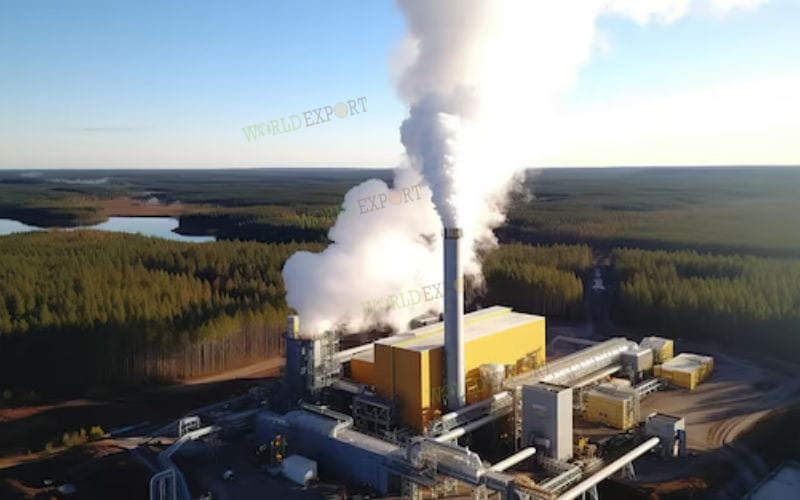
The wood pellet fuel industry in North America began in the 1980s, its growth initially tied to the rise of residential wood pellet stoves. These stoves provided a new, convenient home heating method that successfully reduced particulate emissions, thereby meeting the requirements of the EPA (Environment Protection Agency). The use of pellet stoves increased rapidly in the 1990s and peaked in 1994, after which it leveled off due to the emergence of gas stoves. During this period, pellet demand mirrored stove consumption, with residential use accounting for 95% of the market.
In 1984, the first two wood pellet plants were established in northwest America, mostly as small company operations. As the demand from Europe grew, more and more large-scale wood pellet plants were established to serve this new market. Currently, Europe is the primary export destination for pellet producers in America and Canada.
These manufacturing plants typically utilize sawdust as their primary raw material; wood shavings and chips are rarely used. Some pellet manufacturers are integrated as part of larger wood processing plants, while other large manufacturers purchase their raw materials directly from the market. Beyond these large plants, many individual households, especially in rural areas, use small pellet machines to create pellets for their own use or to meet local demand, providing a way to generate profit from existing waste.
The wood pellet business continues to develop, but new companies often require a 6 to 18-month adjustment period. This is often due to challenges such as changes in raw materials, improper construction and equipment, or inexperienced managers and workers. However, as the biomass industry has matured, enterprises now typically conduct more thorough research before entering the business, collecting information from existing manufacturers. In turn, equipment suppliers now offer mature solutions, and engineering companies provide better design and services.
The Future Development Of Biomass Pellets
The global demand for wood pellets is expected to continue its strong growth, driven by environmental restrictions on fossil fuels and carbon emissions. While Europe and America will remain large, stable markets, the primary new growth will come from Asia. Market analysts like Future Metrics have predicted this new demand could reach as high as 16 million tons annually by 2025.
As Vietnam solidifies its role as a key supplier in this global market, choosing a reliable partner is essential. Leading suppliers in the region, such as World Export, are positioned to meet this growing demand with high-quality, certified products.

To stay updated with the latest market trends, product insights, and exclusive offers, you can follow World Export on our official WhatsApp channel. Contact us today to receive detailed product information and a customized quotation tailored to your needs.
WORLD EXPORT COMPANY LIMITED
No. 35, Street 12, Van Phuc 1 Residential Area, Quarter 5, Hiep Binh Ward, Ho Chi Minh City, Vietnam
Tel / Whatsapp / Kakao Talk: +84 932 632 317
Email: supportwe@worldexport.com.vn