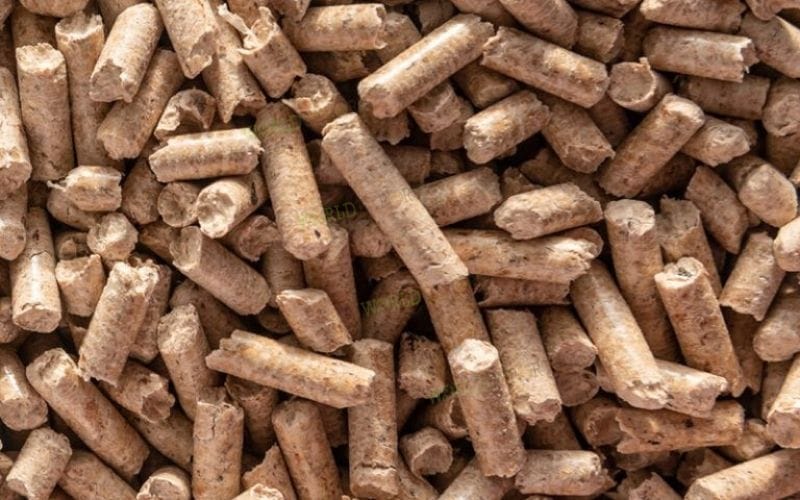







Plastic is a common material used in 3D printing. It is employed extensively to create everything from intricate children’s toys like Batman figurines to complex industrial components. Among the plastics used, ABS and PLA are the most prevalent. PLA is known for its rigidity and ease of coloring; it is also considered more environmentally sound due to its renewable origins. However, PLA has drawbacks, including brittleness, limited thermal stability, and a low glass transition temperature, which restricts its broader usability. Researchers have been exploring methods to overcome these limitations and have identified wood powder as a promising solution.
Discoveries Regarding Wood Powder in Additive Manufacturing
A study by a team at Shandong University of Technology investigated the impact of adding organic particles to address the shortcomings of plastics used in 3D printing. Their research confirmed that the inclusion of this natural filler can improve the flow properties of the manufacturing materials. Furthermore, it enhances compatibility between different substances and positively affects the strength of the final printed product.
Incorporating wood powder into 3D printing materials offers several additional benefits. Considering that modern printing components must meet strict environmental standards—being safe, non-irritating, and non-toxic—this wood-based filler is particularly well-suited. Derived from wood waste, such as that produced during furniture manufacturing, it is exceptionally environmentally friendly and satisfies all necessary safety criteria for global markets.
Technical Incorporation of Wood Powder into Plastic Compounds
Some industrial studies have experimented with coconut shell powder and PLA, followed by the addition of fine wood particles. However, researchers have also found success by directly reinforcing PLA with wood powder to create a new generation of 3D printing material.
This hybrid compound results in a more robust, flexible, and durable filament. During testing, this mixture was processed using a specialized extruder at a temperature of 180°C. To understand more about the technical specifications of these high-quality fillers, you can explore our premium Wood Powder product page. The resulting materials are not only eco-friendly but also hold great promise for high-precision applications in the medical, automotive, and consumer goods sectors.
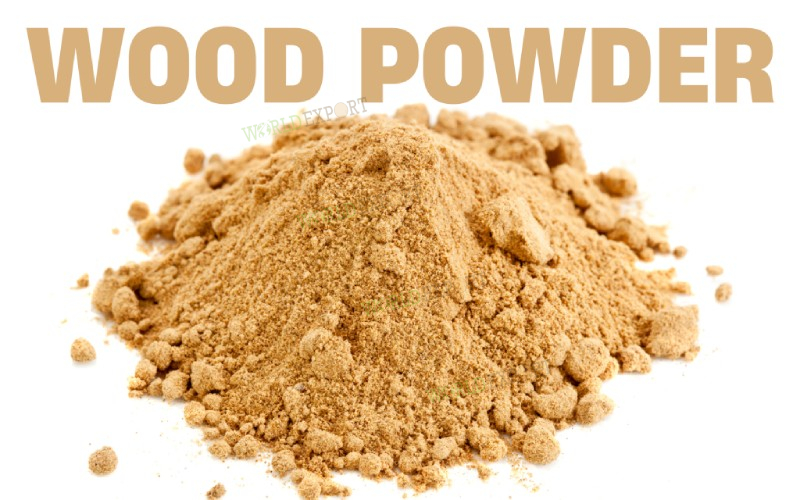
Beyond 3D Printing: The Versatility of Wood Fillers
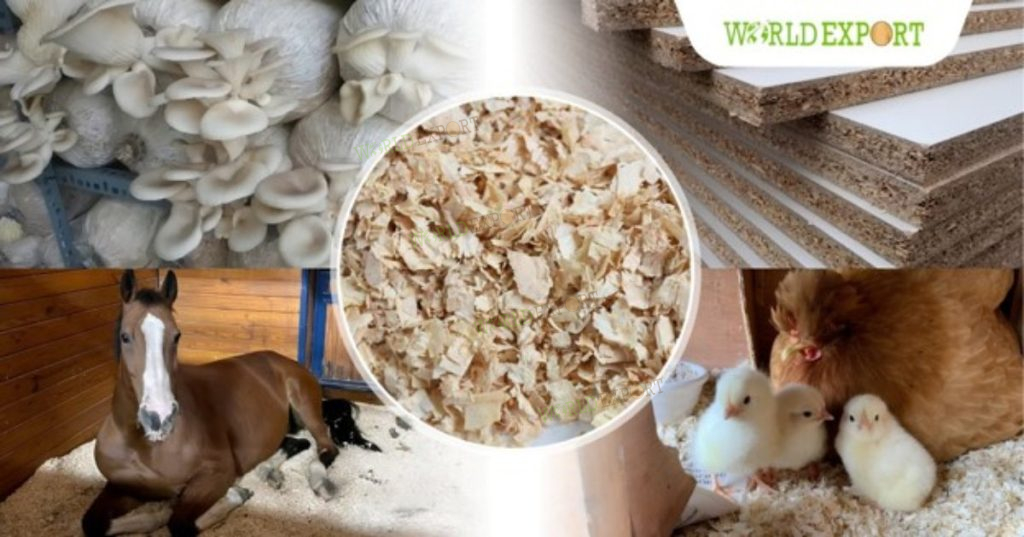
While the integration of wood powder into 3D printing materials is gaining traction, this material also finds extensive application in paper and WPC (Wood-Plastic Composite) manufacturing. In these industries, the fiber contributes to the product’s overall strength, durability, and flexibility.
The synergy between natural wood fibers and synthetic polymers allows for the creation of items that have the aesthetic appeal of timber but the resilience of plastic. To see how our manufacturing process ensures the highest purity for these applications, you can watch our production gallery on YouTube. This versatility makes it an essential raw material for factories looking to reduce costs while maintaining high quality.
Why Use Wood Powder for Sustainable 3D Printing?
The demand for green technology has pushed researchers to look for renewable alternatives to pure oil-based plastics. By blending wood powder with bioplastics like PLA, companies can produce filaments that are biodegradable and have a smaller carbon footprint.
Furthermore, the tactile and visual properties of the finished print are significantly improved. Objects printed with wood-infused materials have a unique, natural finish that is highly sought after in architectural modeling and interior design. This approach not only solves technical brittleness but also aligns with the global shift toward circular economies and waste reduction.
Global Market Trends and Quality Standards
As the technology for 3D printing evolves, the quality of the raw materials becomes even more critical. Suppliers must ensure that the wood particles are finely ground (typically to a specific mesh size) and have a very low moisture content. Excessive moisture can cause “bubbling” during the 180°C extrusion process, which ruins the print’s surface.
Therefore, sourcing from a professional manufacturer is vital for maintaining a consistent production line. High-purity wood powder ensures that the printer nozzles do not clog and that the layers bond perfectly, resulting in a flawless finish.
Conclusion
Incorporating wood powder into 3D printing materials presents a compelling solution to the limitations of traditional plastics. It offers enhanced flow properties, improved strength, and a significant reduction in brittleness, making final prints more durable and flexible. By reinforcing PLA with wood particles, we achieve a robust material that satisfies safety and sustainability standards, paving the way for a more eco-conscious future in additive manufacturing.
World Export: Leading Supplier of Wood Powder in Vietnam
World Export is a trusted supplier of high-quality wood powder in Vietnam, providing competitive pricing, flexible bulk options, and reliable delivery worldwide. We specialize in premium wood materials specifically processed for the 3D printing industry and WPC manufacturing. Our global export expertise ensures that your business receives the best raw materials, tailored to satisfy the most demanding technical requirements.
Contact us today to receive detailed product information and the latest quotation tailored to your needs!
WORLD EXPORT COMPANY LIMITED
Address: No. 35, Street 12, Van Phuc 1 Residential Area, Quarter 5, Hiep Binh Ward, Ho Chi Minh City, Vietnam
Tel / Whatsapp / Kakao Talk: +84 932 632 317
Email: supportwe@worldexport.com.vn