






When it comes to sustainable development and innovative building solutions, the use of wood powder for WPC stands out as a game-changer. As industries shift toward eco-friendly materials, Wood-Plastic Composite (WPC) has gained significant attention due to its durability and aesthetic appeal. Central to this formulation is high-quality fiber, providing the essential natural component. This article explores the fundamentals of what is WPC, the comparison of is WPC better than wood, the economics behind wood powder price, and why selecting the right supplier is critical for manufacturing success.
What is Wood Powder for WPC and Why is it Essential?
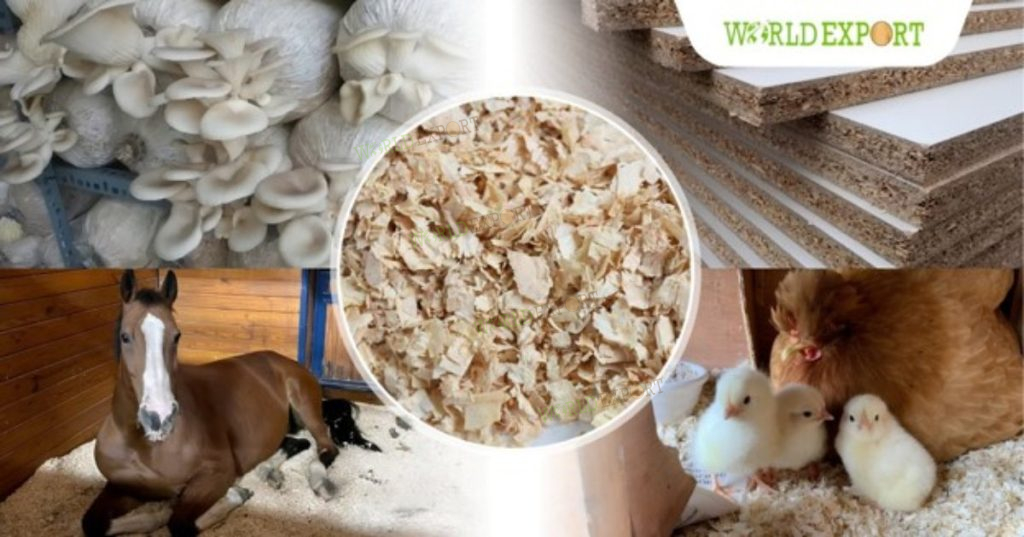
This finely shredded material, often derived from sawdust, wood chips, or industrial wood waste, serves as the primary reinforcing filler in composite materials. Its role goes far beyond being a simple “filler”; it provides the structural skeleton of the final product.

The Technical Importance of Particle Size
In the production of wood powder for WPC, particle size distribution is vital. Most manufacturers prefer a mesh size between 60 and 100. Finer particles ensure a more homogeneous blend with polymers like PE or PP, resulting in:
– Enhanced Surface Finish: A smoother, more “premium” look.
– Superior Bonding: Better encapsulation of wood fibers by the plastic matrix.
– Consistent Extrusion: Fewer disruptions during the high-pressure manufacturing process.
To see our advanced production and quality control in detail, you can watch our video on YouTube.
Deep Dive: What is WPC (Wood-Plastic Composite)?
If you are wondering what is WPC, it is a hybrid material created by combining natural fibers with thermoplastics. Typically, a standard WPC board consists of approximately 50-70% wood fiber, 30-45% plastic resins, and a small percentage of chemical additives like UV stabilizers and coupling agents.

The Science of Compounding
What makes this composite compelling is its unique molecular structure. Through heat and pressure, the wood fiber is “plasticized,” meaning it becomes encased in a protective polymer shell. This profile utilizes recycled plastic and wood residuals, effectively reducing deforestation and plastic pollution. The final product offers increased resistance to moisture, decay, and fungal attacks—vulnerabilities that traditional timber cannot overcome.
Is WPC Better Than Wood? A Comprehensive Comparison
The debate on is WPC better than wood often depends on the specific application, but for most modern construction needs, WPC holds the advantage.
Durability and Maintenance
Traditional timber boasts natural aesthetics but requires constant sanding, staining, and sealing. It is highly susceptible to termites and rot when exposed to the elements. Conversely, the version reinforced with wood powder for WPC is virtually maintenance-free. It does not splinter, warp, or crack under intense UV exposure, making it the ideal choice for outdoor decking and fencing.
Environmental Impact
From a sustainability perspective, WPC is a clear winner. It repurposes industrial waste that would otherwise be incinerated. While natural wood is renewable, the high demand for hardwood often leads to illegal logging. WPC provides a “wood-look” without the ecological cost. Ultimately, the choice hinges on whether you prioritize the authentic, raw feel of timber or the long-term performance and sustainability of composites.

Key Applications of Wood-Plastic Composites
The versatility of this material has led to its adoption across various sectors:
– Outdoor Living: Decking, railing, and pergolas are the most common uses.
– Automotive Industry: Used for interior door panels and trunk liners to reduce vehicle weight.
– Infrastructure: Public benches, boardwalks, and noise barriers along highways.
– Furniture: Sustainable office furniture and garden sets that withstand humidity.
Factors Influencing Wood Powder Price in the Global Market
The wood powder price is a critical factor for manufacturers, as it significantly impacts overall production expenses. Understanding these variables is key to cost-effective sourcing.
Raw Material and Processing Costs
Prices fluctuate based on the type of wood species used (e.g., Pine, Acacia, or Rubberwood) and the moisture content. Low-moisture powder (typically <2%) commands a higher price because it prevents “bubbling” during extrusion.
Regional availability also plays a role; Southeast Asia, particularly Vietnam, has become a competitive hub due to its vast sustainable forestry industry. For businesses looking to optimize production costs, you can explore our premium Wood Powder product specifications to find the right grade for your factory.
Quality Control Standards for Wood Fillers
To maintain a high-quality WPC line, the wood filler must meet strict criteria:
-
Moisture Content: Must be consistently low to ensure structural integrity.
-
Purity: Absence of sand, metal, or foreign contaminants that could damage extrusion machinery.
-
Color Consistency: Vital for maintaining uniform color across large production batches of WPC boards.
Conclusion
In summary, wood powder for WPC is the cornerstone of the sustainable construction revolution. By understanding the technical nuances of what is WPC and monitoring wood powder price trends, manufacturers can create durable, eco-friendly products that outperform traditional wood. As global sustainability initiatives drive the market, these innovative materials are poised to become a cornerstone of eco-conscious manufacturing, blending natural appeal with cutting-edge performance.
World Export is a trusted global leader in supplying high-quality wood powder for WPC, providing competitive rates, flexible bulk options, and reliable delivery worldwide. Based in Vietnam, we specialize in providing premium materials specifically tailored for manufacturing durable and aesthetic composites. Our team ensures that every ton of powder meets international standards, helping you achieve the perfect balance between cost-efficiency and high-performance output.
Contact us today to receive detailed product information and the latest quotation tailored to your needs!
WORLD EXPORT COMPANY LIMITED
Address: No. 35, Street 12, Van Phuc 1 Residential Area, Quarter 5, Hiep Binh Ward, Ho Chi Minh City, Vietnam
Tel / Whatsapp / Kakao Talk: +84 932 632 317
Email: supportwe@worldexport.com.vn