

When exploring the world of starches, especially for large-scale food manufacturing, industrial applications, or even nutritional considerations, two terms often dominate the conversation: Cassava Starch vs Modified Starch. These unique ingredients significantly impact the final texture, shelf-life stability, and overall processing efficiency of a product.
Understanding the nuances of Cassava Starch vs Modified Starch is essential for manufacturers, professional chefs, and informed consumers to choose the right solution for their specific needs. This article dives deep into these materials, comparing their properties, clarifying What is Cassava Starch, What is Modified Starch, and exploring the broad applications of Tapioca Starch.
Cassava Starch vs Modified Starch: Origin and Functionality
The debate between Cassava Starch vs Modified Starch centers around their origin, processing methods, and functional performance under stress.
– Native Properties: Cassava Starch is derived directly from the root of the cassava plant (Manihot esculenta). It is prized for its natural purity, neutral taste, and excellent paste clarity. To see our advanced extraction process and how we maintain 100% natural purity, you can watch our production video on YouTube.
– Engineered Performance: On the other hand, Modified Starch involves chemical, physical, or enzymatic alterations to native starches. These modifications—which can be applied to maize, potato, or cassava bases—are designed to enhance specific characteristics like thickening power, resistance to high heat, or acid stability.
From a practical perspective, the former is often favored in “clean label” and gluten-free products, while the latter is critical in industrial food processing where stability during long-term storage or high-shear mixing is crucial.
What is Cassava Starch? The Natural Powerhouse
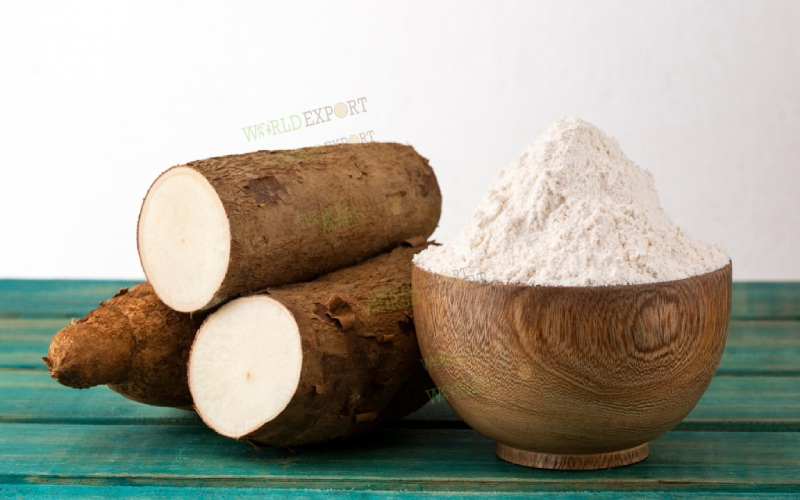
If you are asking What is Cassava Starch, it is essentially a natural carbohydrate extracted through a series of washing, grating, and refining processes. The resulting product is a bright white, odorless powder with a neutral flavor profile that does not interfere with the delicate notes of food ingredients.
Benefits of the Native Form
– Gluten-Free Nature: It is invaluable in health-conscious food formulations and gluten-free baking.
– High Clarity: It forms transparent gels, making it ideal for glossy sauces and fruit fillings.
– Eco-Friendly: Cassava is a resilient, drought-tolerant crop, making its starch a sustainable choice for eco-conscious producers.
For businesses looking for high-purity native materials with consistent viscosity, you can explore premium Tapioca Starch product specifications.
What is Modified Starch? Tailor-Made Solutions
To answer What is Modified Starch, we must look at it as a “custom-built” ingredient. Native starches often have limitations; for instance, they might lose their thickening power when frozen or break down in highly acidic environments (like a lemon sauce).
Common Types of Modifications
– Cross-linking: Strengthens the starch granules so they don’t rupture during high-heat cooking.
– Stabilization (Acetylation): Prevents “weeping” or water separation in frozen foods.
– Pre-gelatinization: Allows the starch to thicken in cold water without boiling.
Essentially, What is Modified Starch represents the intersection of food science and manufacturing—altering nature’s molecular structure to deliver consistent performance in demanding industrial environments.
Understanding Tapioca Starch in Modern Industry
Tapioca Starch is frequently used as a synonym for native Cassava Starch. In the industrial realm, it is valued for its high gel strength and transparency. It is the preferred choice for everything from premium puddings and bubble tea pearls to industrial adhesives and textile sizing.
An interesting insight is that while Tapioca Starch is naturally high-performing, it often serves as the “base” for many modified versions. By applying the modifications mentioned earlier to a tapioca base, manufacturers can create a product that maintains the clean taste of cassava but gains the robustness of an engineered starch. This flexibility makes it a reliable component in both the kitchen and the factory.
Decision Matrix: Choosing the Right Starch
When deciding between Cassava Starch vs Modified Starch, manufacturers must evaluate their processing conditions:
– Choose Native (Cassava/Tapioca) if: You are targeting a “Natural” or “Clean Label” market, or if your cooking process is gentle.
– Choose Modified if: Your product undergoes extreme temperature changes (freezing/canning), has a very low pH, or needs a shelf-life of over 12 months.
Understanding What is Cassava Starch and What is Modified Starch helps eliminate guesswork, ensuring that the final product maintains its intended texture from the factory to the consumer’s table.
Conclusion
In summary, the comparison of Cassava Starch vs Modified Starch encompasses a broad spectrum of differences rooted in source, processing, and application. While natural Tapioca Starch offers purity, neutrality, and eco-friendly extraction, What is Modified Starch provides the enhanced functionalities required for complex industrial needs. As the food industry evolves, the ability to choose between these two—or use them in tandem—highlights the progress of modern food science in delivering advanced solutions for global needs.
World Export is a trusted global entity in the supply of premium tapioca starch in Vietnam. We specialize in providing both high-purity native starch and advanced starch solutions, ensuring competitive pricing, flexible bulk shipping, and reliable delivery worldwide. As a leading exporter, we leverage Vietnam’s abundant cassava resources to serve diverse industries including food and beverage, paper manufacturing, and textiles. Our commitment to quality ensures that every shipment meets international standards, offering you a consistent and sustainable supply.
Contact us today to receive detailed product information and the latest quotation tailored to your needs!
WORLD EXPORT COMPANY LIMITED
Address: No. 35, Street 12, Van Phuc 1 Residential Area, Quarter 5, Hiep Binh Ward, Ho Chi Minh City, Vietnam
Tel / Whatsapp / Kakao Talk: +84 932 632 317
Email: supportwe@worldexport.com.vn