






What Is Wood Sawdust?
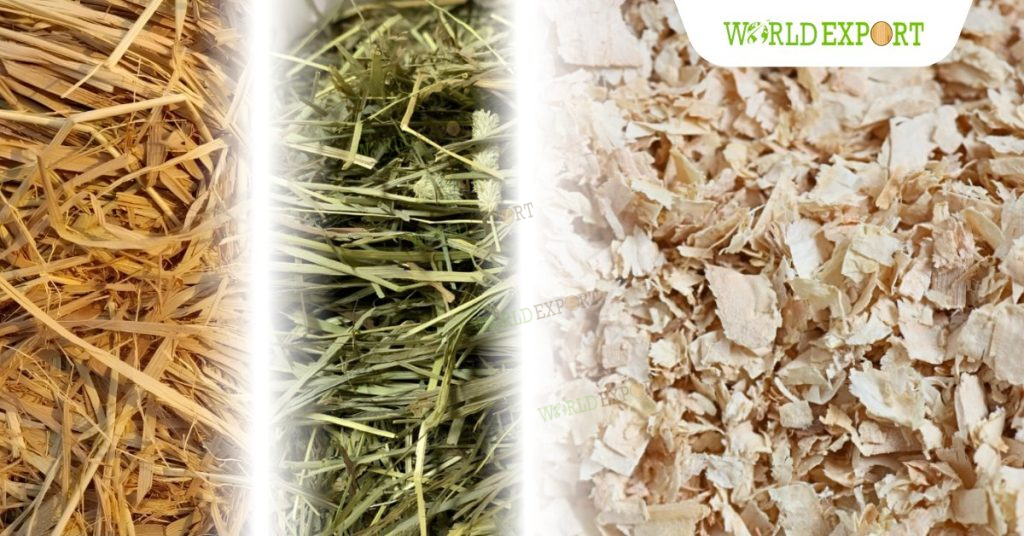
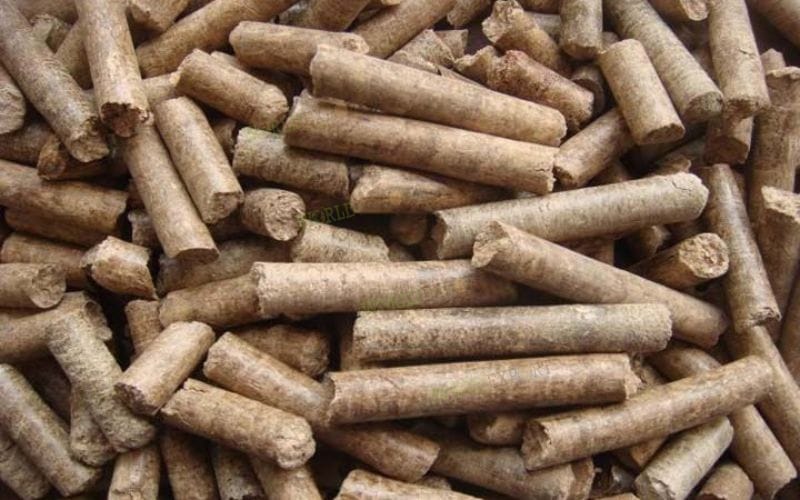
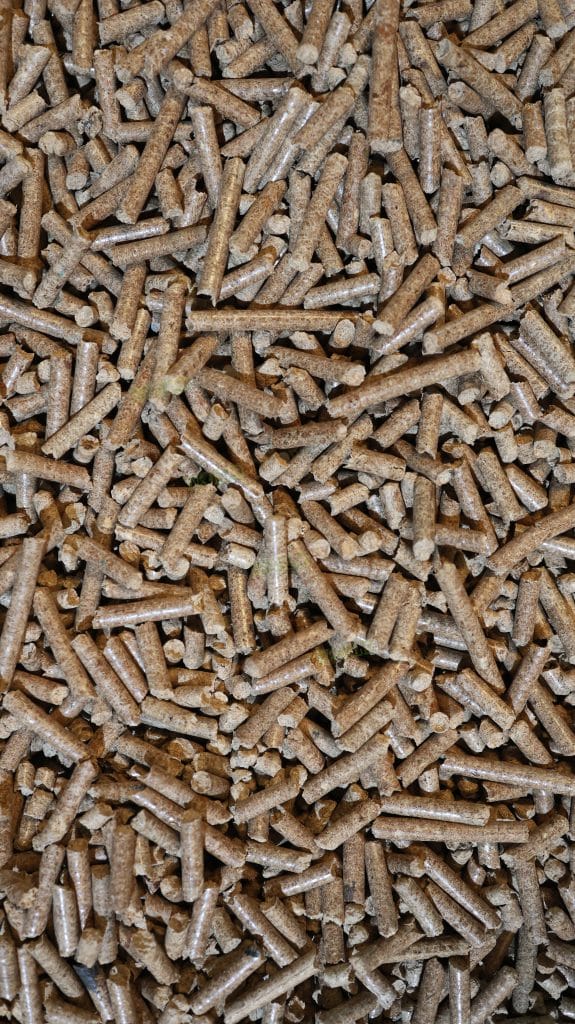
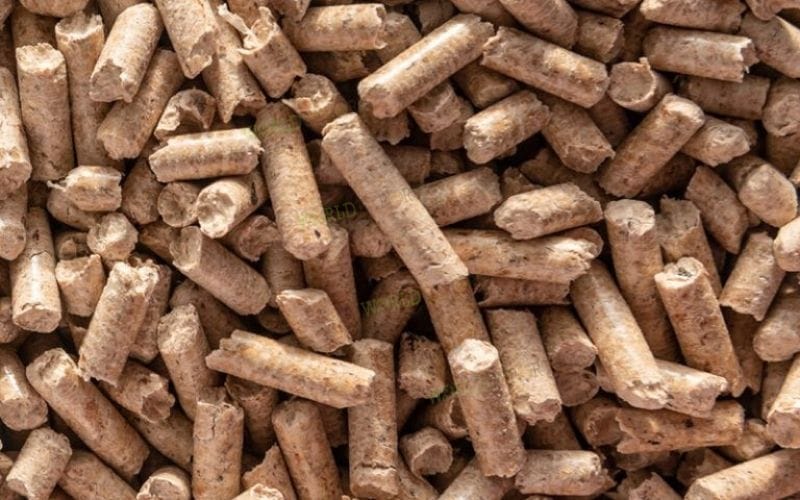
Wood sawdust is a fine, lightweight by-product produced during the cutting, grinding, or sanding of wood. Once considered waste, it has become a valuable raw material in various industries, including woodworking, fuel production, and agriculture. From compressed sawdust used as biomass fuel to hardwood sawdust for animal bedding or composting, this versatile material supports sustainable manufacturing and waste reduction.
Production and Processing
The production of wood sawdust involves several carefully controlled steps to ensure uniform quality and moisture balance.
Step 1: Raw Material Collection
The process begins by collecting raw wood, offcuts, or recycled wood pieces, which serve as the main feedstock for sawdust production.
Step 2: Removing Impurities
Bark, nails, and other unwanted materials are removed to maintain product purity and protect machinery during processing.
Step 3: Grinding
The cleaned wood is then ground into fine sawdust particles, achieving the desired size for different industrial and agricultural applications.
Step 4: Drying
The sawdust is dried to reach a specific moisture content, optimizing storage stability and combustion efficiency when used as biomass fuel.
Step 5: Screening
Oversized particles and excess dust are separated through screening to ensure a consistent and uniform final product.
Step 6: Packing and Storage
Finally, the sawdust is packed and stored in dry, ventilated conditions to preserve quality and prevent contamination before shipment.
Types of Wood Sawdust
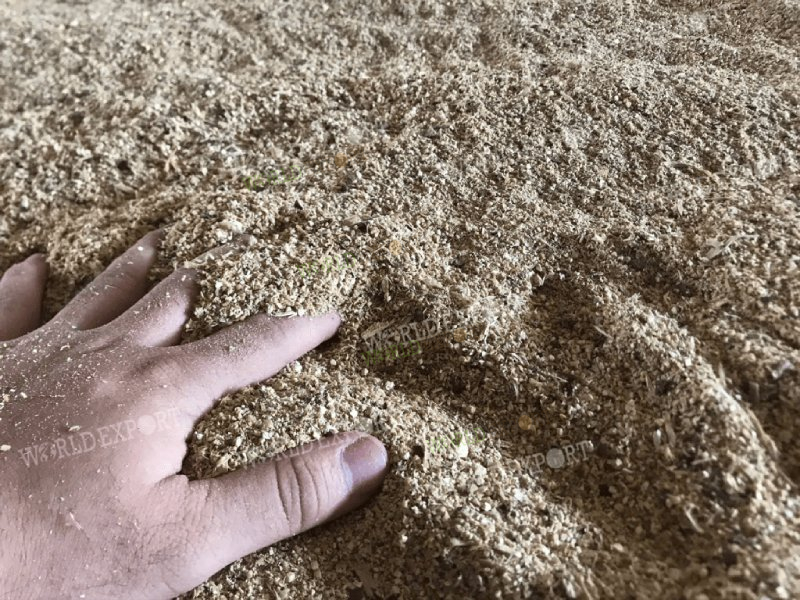
Mixed Wood Sawdust
Mixed wood sawdust is a blend of pine and rubber wood, combining the absorbency of pine with the strength and density of rubber wood. This type is cost-effective and highly versatile, making it ideal for bedding, composting, and agricultural use. With a particle size of 1-3 mm and moisture content under 12%, it delivers reliable performance across both Animal Bedding and Cultivation.
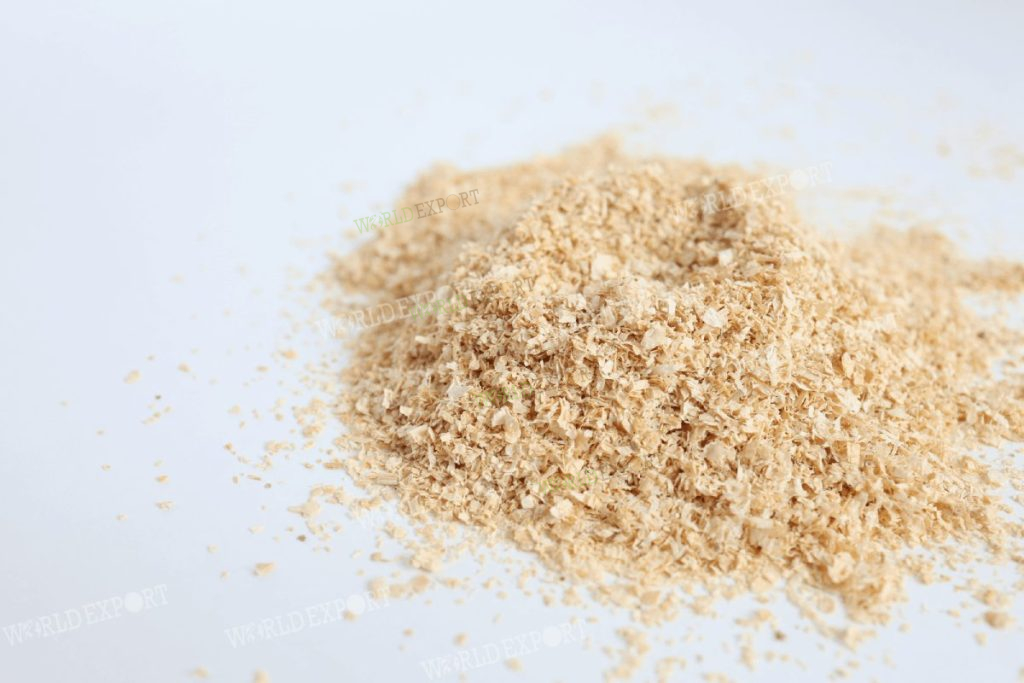
Pine Wood Sawdust
Made from 100% pine wood, this premium-grade sawdust features a soft texture, bright color, and high absorbency. It is especially suitable for animal bedding, offering comfort while reducing odor and moisture accumulation. The fine size (1-5 mm) and low ash content make it easy to handle and clean, ensuring a hygienic environment for cattle bedding and small ruminants bedding.
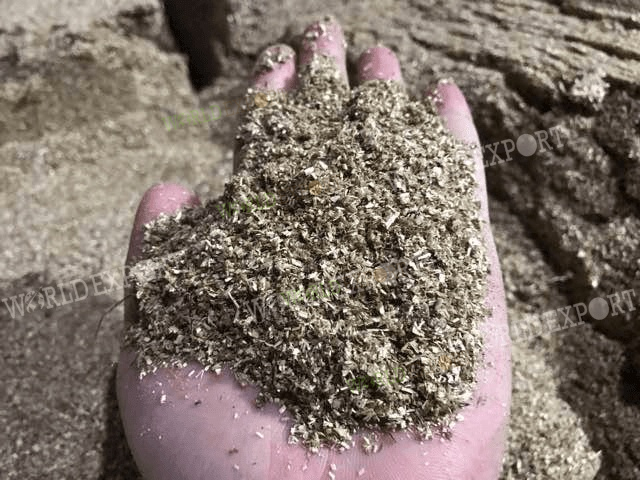
Acacia Wood Sawdust
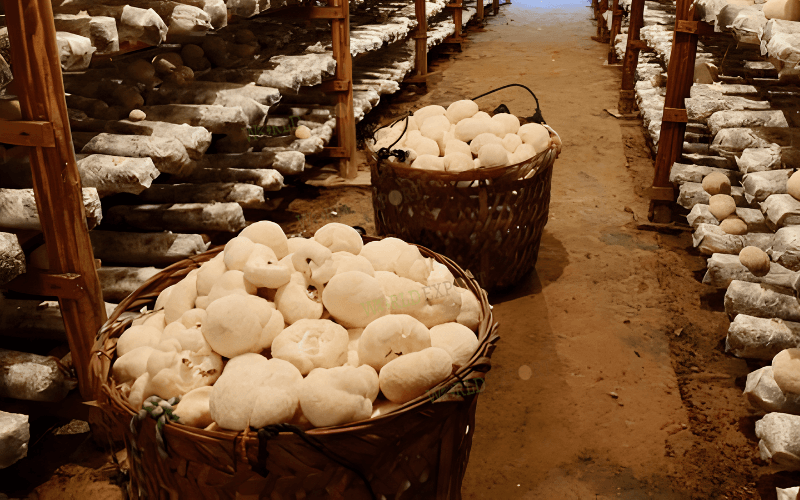
Acacia sawdust is produced from 100% acacia wood and is widely used for bedding, mushroom cultivation, and organic fertilizers. Known for its brown color, fine texture, and moisture level below 12%, acacia sawdust provides excellent aeration and nutrient balance when used in composting or soil conditioning. It’s a practical, sustainable choice for both agricultural and industrial applications.
Applications of Wood Sawdust
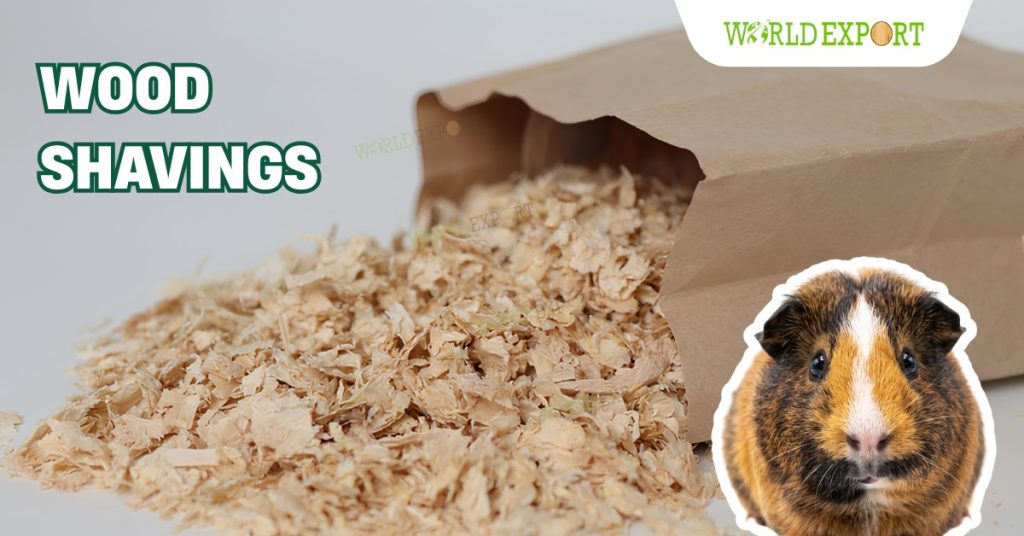
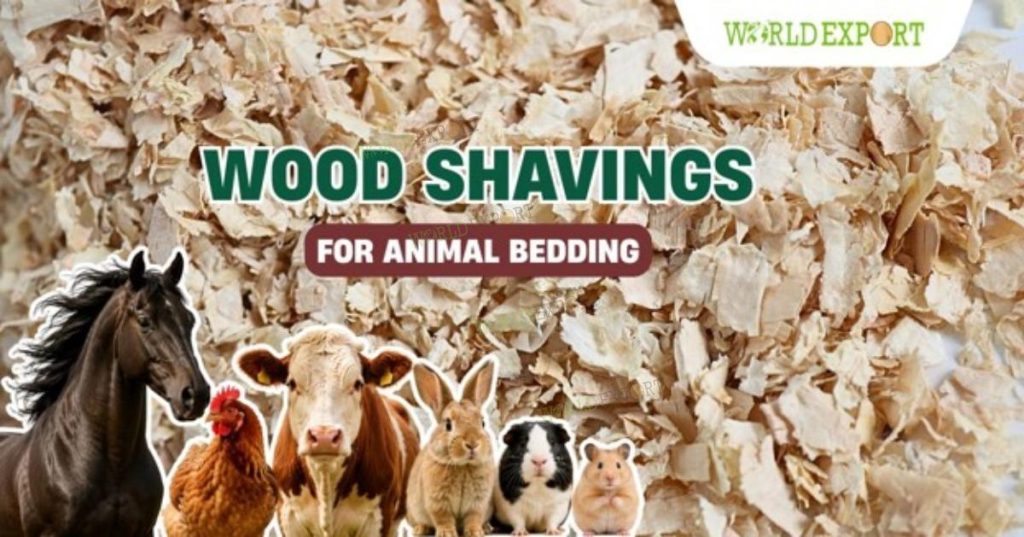
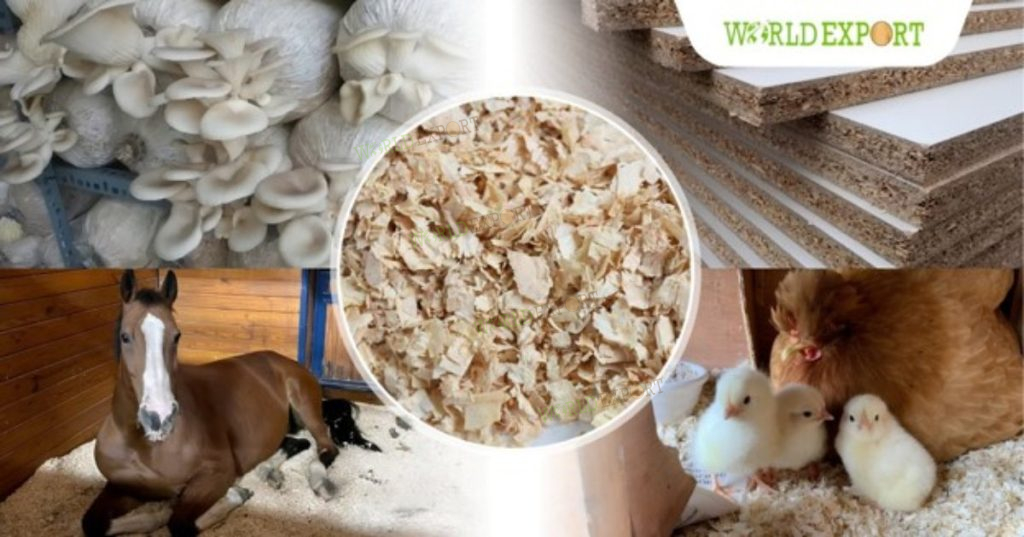
Sawdust is widely used as a natural, absorbent, and cost-effective material for animal bedding. According to World Export’s product range, all three types (Mixed, Pine, and Acacia wood sawdust) are suitable for cattle, small ruminants, poultry, pigs, and pets.
Among them, Mixed sawdust is the most versatile, applicable to nearly all livestock categories, while Pine and Acacia sawdust are especially favored for pet and poultry bedding due to their softness, odor control, and hygiene properties.
Beyond animal bedding, Wood Sawdust serves many other practical purposes, such as:
- Fuel: Mixed and pine sawdust can be burned as fuel sources in wood-burning stoves and boilers. It is an eco-friendly alternative to traditional fossil fuels.
- Soil amendment: Mixed, pine, and acacia sawdust can all be added to soil to improve its structure and fertility. These materials help enhance aeration, retain moisture, and promote healthy root growth, making them beneficial for both agricultural and horticultural use.
- Composting: Sawdust can be added to compost to help speed up the decomposition process. It provides a source of carbon, which is essential for the growth of microorganisms that break down organic matter.
==> Discover each type of wood sawdust here.
Pros and Cons Using Sawdust
Like most materials, sawdust comes with both advantages and limitations. On the positive side, it is affordable, readily available, and highly versatile, used in everything from construction materials and animal bedding to biomass fuel. Utilizing sawdust also supports sustainability goals by minimizing waste and reducing dependence on non-renewable materials.
However, there are some drawbacks to consider. Fine sawdust particles can easily become airborne, potentially causing respiratory irritation when inhaled. Proper handling, along with protective gear such as masks and safety glasses, is essential to ensure safety.
Another issue is contamination risk. Sawdust derived from treated or composite wood may contain chemicals harmful to humans and the environment. Therefore, verifying the source and safety of the material is critical before use.
Conclusion
Dismissed as waste, sawdust is actually a highly valuable and eco-friendly material. Thanks to its versatility and availability, it can be repurposed for a wide range of applications, from animal bedding to farming and composting. As industries move toward carbon neutrality by 2050 and technology continues to advance, innovative uses for sawdust are expected to grow, reinforcing its importance in sustainable development and environmental conservation.
World Export is a trusted supplier of wood sawdust, providing competitive wood sawdust prices, flexible wood shavings bulk options, and fast, reliable delivery worldwide. Contact us today to receive detailed product information and the latest quotation tailored to your needs!
WORLD EXPORT COMPANY LIMITED
No. 35, Street 12, Van Phuc 1 Residential Area, Quarter 5, Hiep Binh Ward, Ho Chi Minh City, Vietnam
Tel / Whatsapp / Kakao Talk: +84 932 632 317
Email: supportwe@worldexport.com.vn
Youtube: https://www.youtube.com/@WorldExportVN