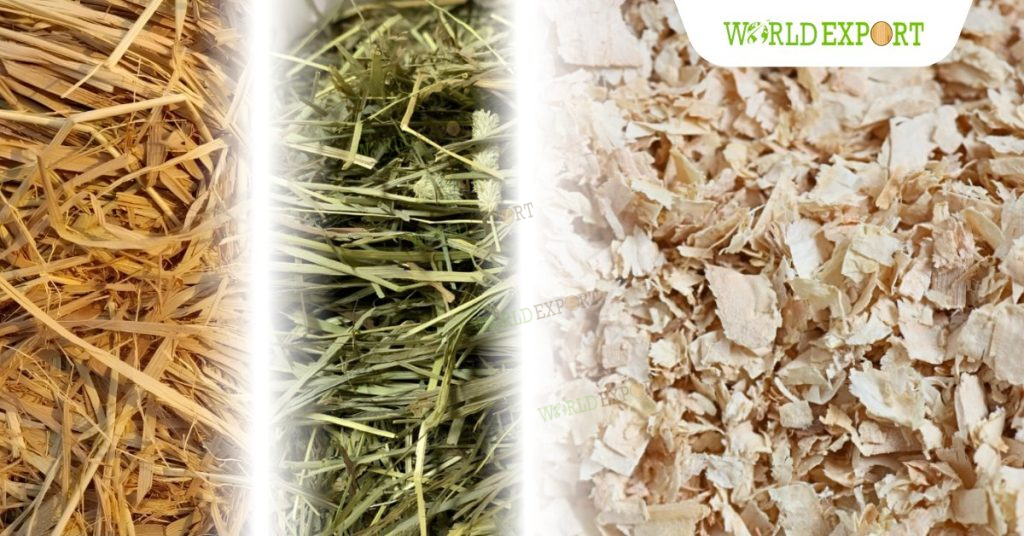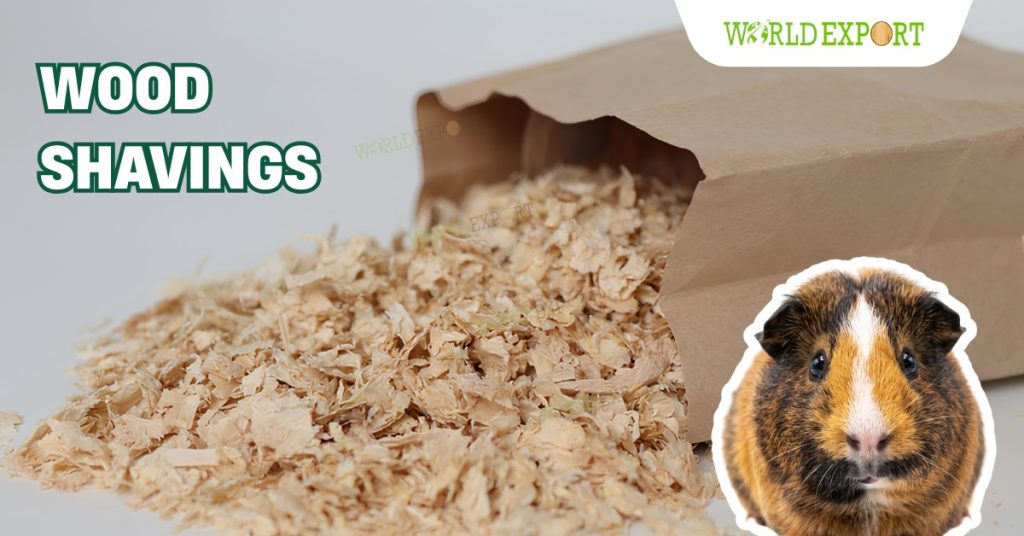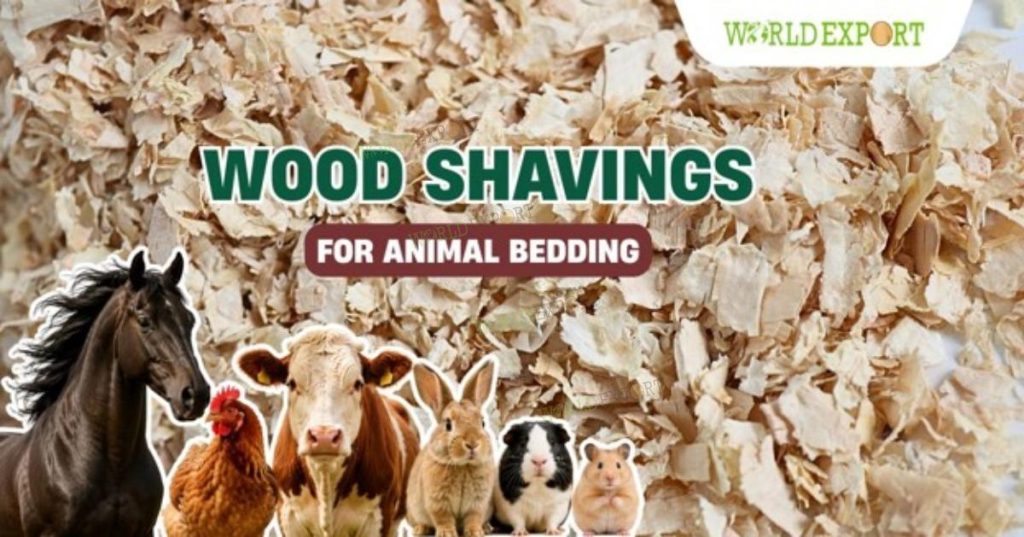
Procurement managers navigating the global biomass supply chain require precise, actionable data to secure reliable material sources. The commercial uses of wood shavings span across heavy manufacturing, large-scale agriculture, and international logistics. This comprehensive guide details bulk sourcing strategies, strict technical specifications, and global freight optimization for industrial-scale applications.
What are wood shavings good for in industrial manufacturing?
Wood shavings are highly versatile industrial by-products utilized as foundational raw materials in heavy manufacturing and biomass energy production. These materials allow large-scale sawmills to monetize organic waste while supplying critical inputs to secondary manufacturing sectors.
In the modern supply chain, industrial timber processing generates massive volumes of residual biomass. Sawmills systematically collect, screen, and grade these shavings to supply commercial manufacturing operations globally. The function of wood shaving quality dictates its final industrial application, with strictly regulated particle sizes and moisture limits determining its viability for structural or energetic use. When properly processed, dried, and compressed, these wood residuals transition from a waste product to a highly traded international commodity.
1. Engineered wood: Particleboard and MDF production
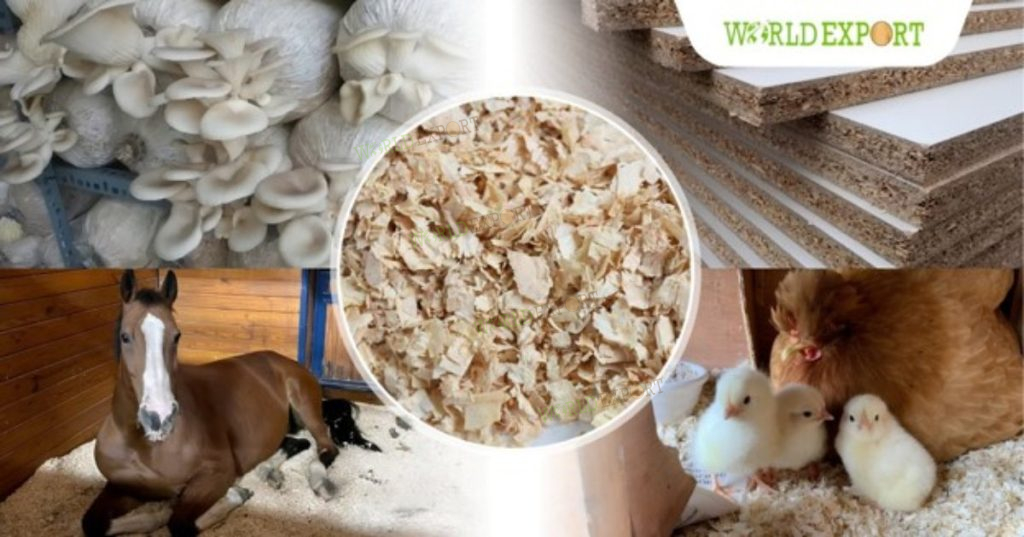
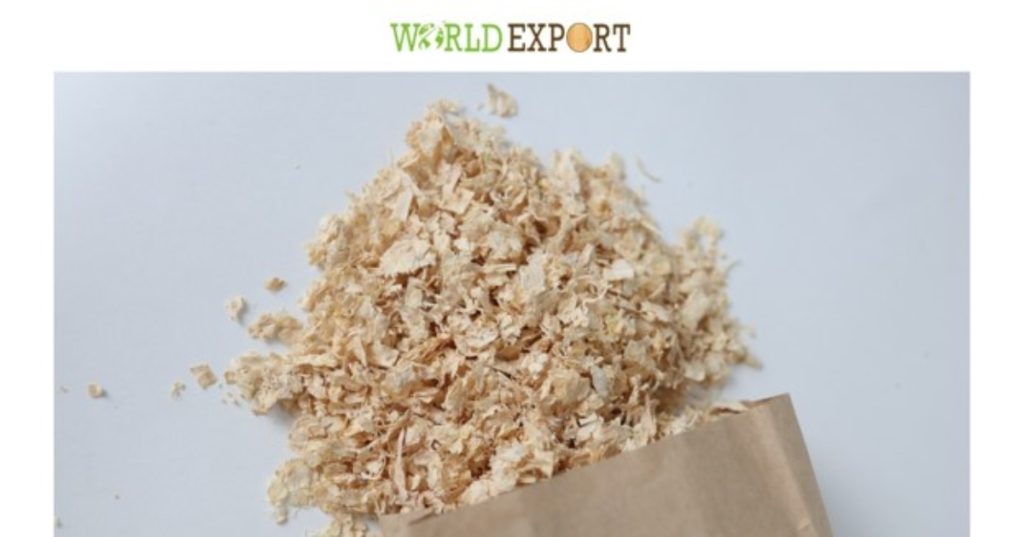
The production of engineered wood heavily relies on consistent, high-quality wood residuals. Industrial manufacturers blend graded wood shavings with specialized synthetic resins under extreme thermal pressure to form particleboard and Medium Density Fiberboard (MDF). The structural integrity of these panels depends directly on the fiber length and the uniform consistency of the incoming shavings.
Moisture parameters are highly regulated within this sector. Facilities demand material with an exact moisture content, typically between 8% and 12%, to ensure proper resin adhesion and prevent internal panel delamination. Raw material buyers strictly enforce these specifications, often rejecting shipments containing excess dust or foreign contaminants. By adhering to international wood manufacturing standards, panel producers guarantee structural stability for the global furniture and construction markets.
2. Biomass fuel and commercial wood pellet manufacturing
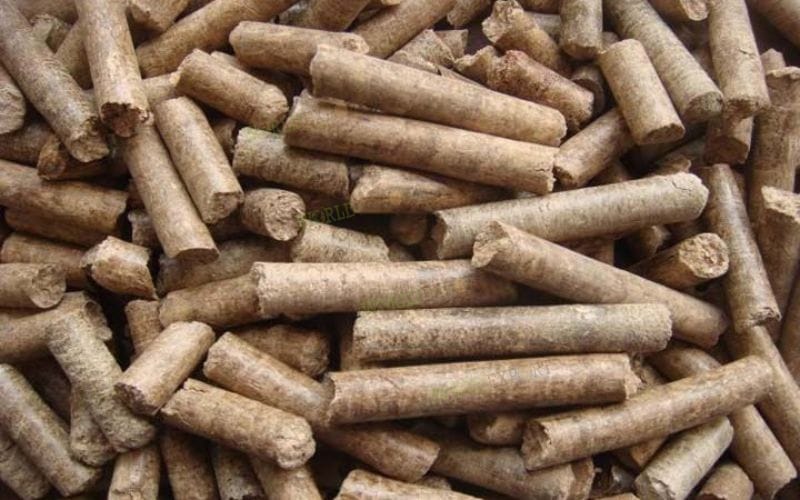
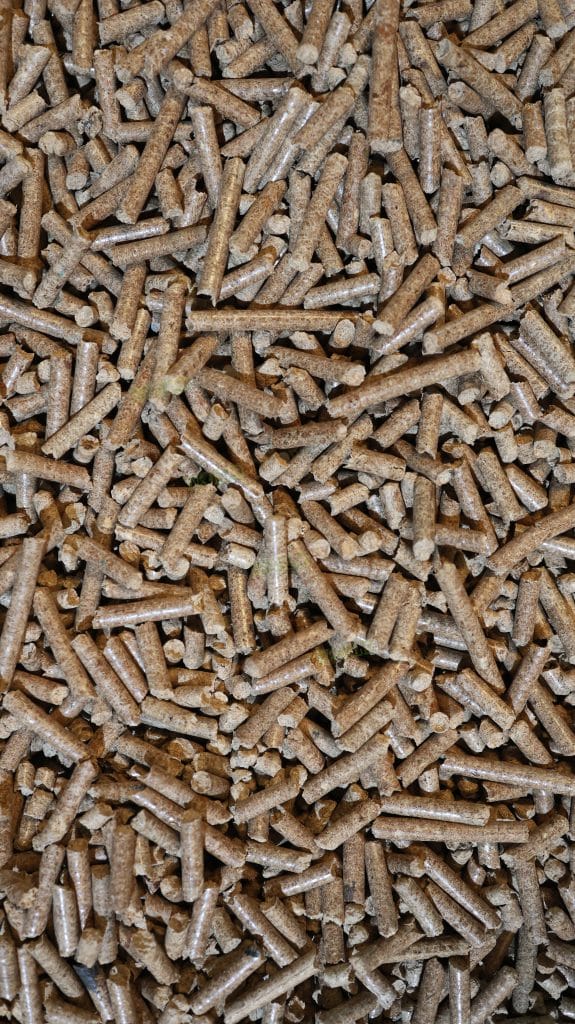
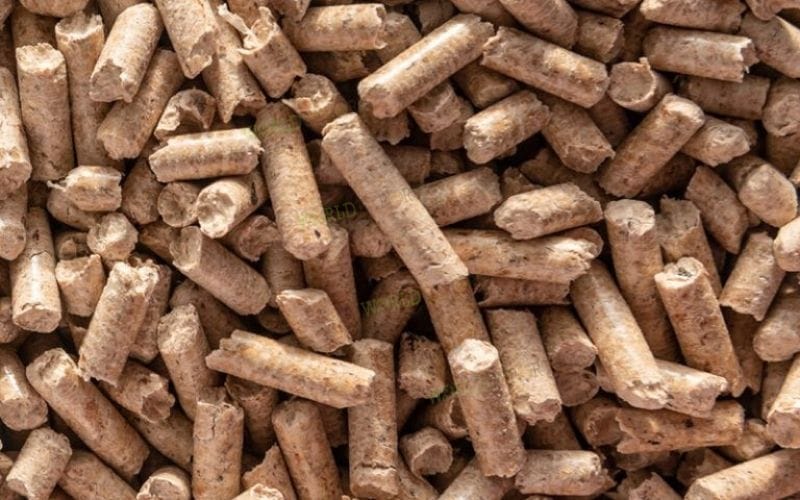
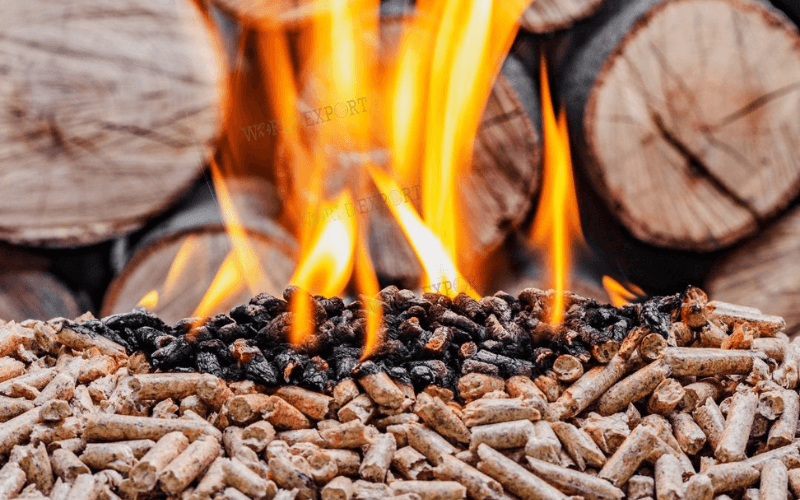
Wood shavings serve as a critical feedstock for the commercial wood pellet manufacturing industry. This process transforms loose, low-density biomass into highly dense, uniform fuel sources for industrial power generation and residential heating grids. The natural physical structure of shavings makes them exceptionally ideal for industrial extrusion pelletizers. (1)
The primary requirement for biomass fuel is a consistently high calorific value, which is achieved by utilizing kiln-dried softwood or hardwood residuals. European energy grids rely heavily on imported biomass, driving massive import trends for baled shavings and finished pellets. Because wood shavings possess naturally low moisture when kiln-dried, they require less energy to compress, thereby maximizing the manufacturing efficiency of large-scale pelletizing plants.
High-volume uses of wood shavings in agriculture
The uses of wood shavings in agriculture represent one of the highest-volume markets globally, driven by stringent biosecurity and hygiene standards. Massive commercial farming operations rely on these materials to manage animal waste, control facility odors, and maintain optimal livestock health across vast production environments.
1. Commercial poultry and equine bedding specifications
High-end equine facilities maintain extremely strict bedding requirements to ensure stable health and performance. Premium 100% pine wood shavings, typically measuring 1-15mm, are highly sought after to provide maximum joint cushioning and superior comfort. These shavings are carefully processed to ensure they are dust-free, significantly reducing the risk of respiratory distress for horses and stable staff. Furthermore, the high absorbency of kiln-dried pine flakes offers an excellent ammonia shield, neutralizing heavy urine odors and keeping stalls consistently dry, clean, and hygienic.

Commercial poultry operations prioritize hygiene and biosecurity to optimize flock performance. Farms specifically utilize mixed wood shavings that undergo rigorous mechanical screening to ensure fine particulate matter is kept at a maximum of 1%. This stringent control is essential to prevent respiratory distress and Foot Pad Dermatitis (FPD) in broiler flocks. These kiln-dried mixed wood shavings provide an effective, moisture-absorbent surface that suppresses bacterial growth and neutralizes ammonia, making it easier to clean a chicken coop while creating an ideal environment for consistent bird growth and overall flock health.

>> Explore More: Wood Shavings for Chickens: The Ultimate Bedding Guide
2. Substrate for industrial mushroom cultivation
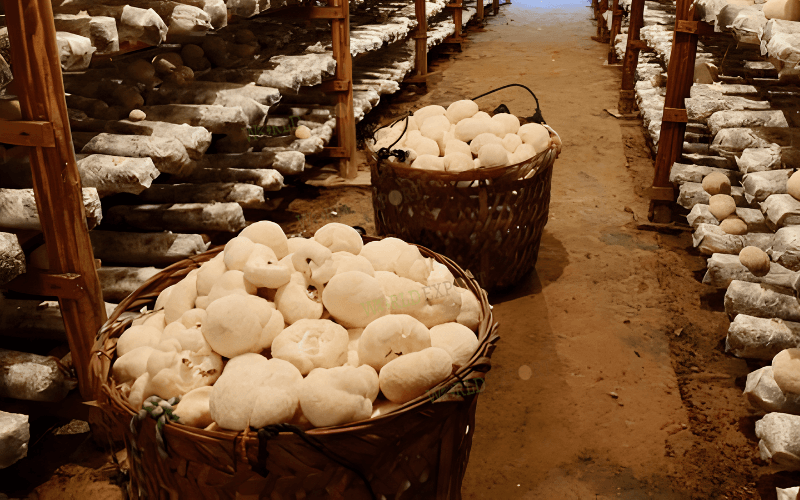
Industrial mushroom cultivation relies on specific organic substrates for optimal mycelium growth. Commercial growers utilize finely screened wood shavings, often blending hardwood species with nitrogen-rich agricultural by-products to create an ideal fruiting environment. Acacia wood shavings are widely used for bedding and commercial mushroom cultivation due to their favorable organic composition.
Strict sterilization processes are absolutely required before introducing the mycelium to the wood substrate. Commercial facilities utilize high-pressure steam pasteurization to eliminate competing fungi and harmful bacteria from the raw shavings. The chemical composition, specifically the carbon-to-nitrogen ratio inherent in the wood species, directly influences the final crop yield and overall commercial viability of the fungal harvest.
3. Commercial composting and soil erosion control projects
Large-scale infrastructure initiatives frequently implement projects with wood shavings to manage environmental stability. In commercial composting operations, these light and non-clumping materials blend perfectly with nitrogen-rich agricultural manure. This mixture effectively balances the carbon-nitrogen ratio, accelerating the aerobic breakdown process and yielding high-quality commercial fertilizers.
Additionally, civil engineering firms utilize bulk wood shavings for advanced soil erosion control along highway embankments and massive construction sites. By applying thick layers of coarse wood residuals, contractors manage stormwater runoff, retain critical ground moisture, and prevent topsoil displacement. This useful purpose for wood shaving provides an environmentally sustainable, biodegradable alternative to synthetic erosion control blankets.
What to do with wood shavings: Emerging B2B applications
Procurement managers can supply wood shavings to rapidly expanding, highly profitable niche environmental and logistics markets. These emerging applications capitalize on the material’s natural absorbency and complex cellular structure to solve modern industrial challenges.
Beyond traditional energy and agricultural markets, bulk wood residuals are increasingly integrated into advanced commercial systems. Industries are actively shifting away from petroleum-based materials, utilizing natural wood by-products to meet corporate sustainability mandates. As global supply chains prioritize eco-friendly alternatives, the demand for specialized, high-grade wood shavings in secondary markets continues to escalate significantly.
1. Industrial biofiltration and wastewater treatment
Industrial biofiltration systems utilize wood shavings as a biological filter medium to eliminate Volatile Organic Compounds (VOCs) and toxic facility odors. These systems function by passing contaminated industrial exhaust or wastewater through massive beds of highly porous wood residuals.
The biological mechanics rely on massive microbial colonies that naturally grow on the surface of the damp wood shavings. These micro-organisms consume the harmful chemical compounds and safely metabolize them into harmless by-products. Due to their high surface area and structural longevity, hardwood and softwood shavings provide an incredibly efficient, low-cost medium for continuous commercial wastewater treatment and municipal odor control facilities.
2. Eco-friendly void fill and commercial packaging
Global logistics firms are actively shifting from expanded polystyrene to bulk wood shavings for commercial packaging. This transition provides a highly effective, biodegradable void fill solution for shipping fragile industrial components and premium consumer goods globally. What can you do with wood shavings to lower shipping hazards? You can utilize them to absorb severe mechanical shocks during rough ocean or rail transit.
When utilizing wood shavings for protective packaging, logistics managers must carefully calculate weight-to-volume ratios. While heavier than traditional foam, tightly packed shavings provide superior crush resistance and stabilization. Because this material is completely compostable, B2B companies dramatically reduce their commercial waste disposal costs while actively meeting strict international packaging sustainability regulations.
Evaluating material specifications: The function of wood shaving quality
The function of wood shaving quality determines its safety, regulatory compliance, and overall performance in commercial applications. Procurement managers must stipulate precise physical and chemical specifications within their Requests for Quotation (RFQs) to prevent catastrophic supply chain failures.
1. Moisture content parameters and testing standards
What is the ideal moisture content for exported wood shavings? The ideal moisture content is strictly below 12% to ensure stability during extended international transit. This specific parameter prevents deadly mold proliferation and eliminates the risk of spontaneous combustion while packed inside sealed shipping containers.
Procurement officers must distinguish between air-dried and mechanically kiln-dried materials. Kiln-dried shavings offer a guaranteed, uniform moisture profile, whereas air-dried variants remain highly susceptible to seasonal humidity fluctuations. Quality control inspectors utilize advanced digital moisture meters to test every batch, ensuring compliance with international trade standards prior to approving bulk container loading.
2. Dust extraction and particle size distribution
Mechanical dust extraction is a mandatory processing step for all premium-grade agricultural and industrial wood residuals. Processing facilities utilize multi-stage vibratory screens to separate the desired flake sizes from unusable fine particulate matter. Specifications demand that powder matter remains strictly under 1%, depending on the final commercial application.
A high dust content directly triggers rejected shipments, particularly within the commercial poultry and equine sectors. Fine airborne dust severely damages the sensitive respiratory tracts of livestock and creates explosive hazards inside industrial manufacturing facilities. Consequently, precise particle size distribution, such as guaranteeing a 1-15 mm range for mixed shavings, is legally binding in commercial supply contracts.
3. Wood species selection: Softwood vs. hardwood
What is wood shavings used for when derived from softwood versus hardwood? Softwood shavings, like pine, are used primarily for highly absorbent animal bedding, while hardwood shavings are favored for mushroom cultivation and specialized biofiltration. The inherent cellular structure of the specific timber species dictates its final end-use market.
>> Explore More: The Top benefits of using wood shavings for animal bedding
Pine wood shavings deliver exceptionally high oil and moisture absorption rates, drastically outperforming dense hardwoods like oak or maple. Conversely, hardwoods break down slower, making them structurally superior for long-term landscaping or commercial composting operations. Buyers must audit their supply chains to ensure species purity, as mixed batches can ruin specialized industrial processes.
Managing the disadvantages of wood shavings in the supply chain
The disadvantages of wood shavings primarily involve severe fire hazards and the high risk of chemical contamination during international procurement. Responsible supply chain managers must implement rigorous risk management protocols, regular facility audits, and strict storage requirements to mitigate these inherent logistical dangers.
1. Mitigating fire hazards and spontaneous combustion
Bulk dry biomass is highly flammable and poses a severe fire risk during warehouse storage and ocean transit. Spontaneous combustion can occur naturally when residual internal moisture triggers microbial fermentation, generating intense heat deep inside tightly compressed bales.
Warehouse storage protocols demand strictly regulated ventilation systems, advanced thermal monitoring, and rigorous inventory rotation. Facilities must isolate baled wood shavings from any potential ignition sources and maintain industrial-grade fire suppression infrastructure. By strictly enforcing the 12% maximum moisture limit, suppliers effectively neutralize the biological heat generation that precedes spontaneous fires.
2. Preventing chemical contamination and resin toxicity
Sourcing wood shavings from unverified industrial mills introduces the critical risk of severe chemical contamination. Residuals processed from treated lumber, such as Chromated Copper Arsenate (CCA) or formaldehyde-laden plywood, are highly toxic and entirely unusable for agriculture or eco-friendly packaging.
To prevent resin toxicity, procurement managers must aggressively audit their suppliers and mandate comprehensive material testing. Contracts must explicitly guarantee that the shavings originate exclusively from 100% virgin timber sources. Utilizing contaminated by-products will result in massive livestock fatalities, immediate government recalls, and catastrophic legal liabilities for the importing distributor.
Global logistics, shipping, and import management
Moving bulk biomass across international borders requires mastery of complex freight optimization and stringent phytosanitary compliance. Procurement managers must navigate low-density shipping constraints and mandatory international legal frameworks to execute profitable global trade operations.
1. Baling, compression, and 40HC container optimization
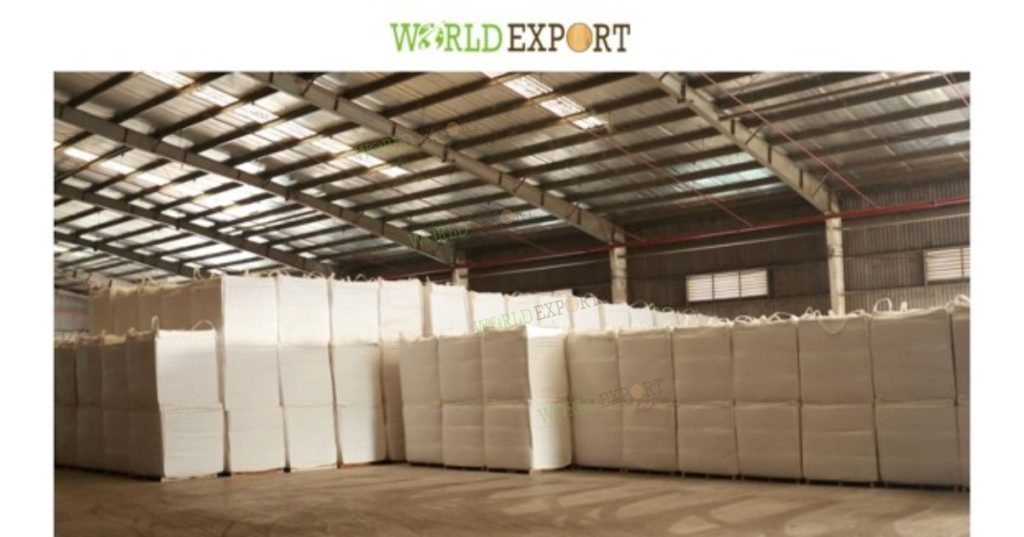
Shipping uncompressed wood shavings is economically unviable due to the material’s incredibly low natural density. Industrial suppliers utilize massive hydraulic baling machines to compress the shavings into dense blocks, drastically maximizing the total tonnage loaded per shipping container.
A standard 40-foot High Cube (40HC) container can typically accommodate roughly 20 to 24 tons of highly compressed material. Whether using 20 kg plastic bulk bags or 600 kg jumbo bags with pallets, maximizing this payload yield is critical. By strictly optimizing the container’s physical volume, logistics managers significantly lower the international freight cost per ton, securing commercial profitability.
2. Mandatory certifications: Phytosanitary, FSC, and PEFC
International customs agencies strictly regulate the importation of all unprocessed agricultural and timber products. To prevent global pest migration, every shipment must include a valid Phytosanitary Certificate, verifying that the biomass has undergone mandatory heat treatment or ISPM 15 compliant fumigation protocols.
Furthermore, major corporate buyers require rigorous chain-of-custody sustainability certifications. Documentation from the Forest Stewardship Council (FSC) or the Programme for the Endorsement of Forest Certification (PEFC) proves that the raw timber was harvested legally and sustainably. Failing to secure these mandatory legal documents results in immediate shipment seizure and heavy fines at the destination port.
As a trusted B2B partner, World Export operates 6 large-scale manufacturing facilities, ensuring a stable monthly production capacity of 30,000 tons of premium wood shavings. We proudly export to over 20 countries worldwide, with strong, established partnerships across demanding markets such as Japan, South Korea, and the Middle East.
To guarantee maximum biosecurity and hygiene for your commercial operations, all our wood shavings undergo rigorous laboratory testing and are certified strictly free of Salmonella. This unwavering commitment to capacity and quality makes World Export the ultimate choice for your global supply chain needs.
B2B FAQ
What can you do with wood shavings to offset manufacturing costs?
Industrial sawmills and furniture manufacturers can compress waste wood shavings into high-density biomass briquettes or sell them to commercial agricultural suppliers. This strategy completely eliminates expensive landfill disposal fees while generating a highly lucrative secondary revenue stream.
How do Incoterms like CIF and FOB apply to biomass shipping?
Under Free On Board (FOB) terms, the buyer assumes all risk and freight costs once the wood shavings are loaded onto the vessel at the origin port. Cost, Insurance, and Freight (CIF) requires the supplier to pay for the ocean freight and marine insurance up to the destination port, which is generally preferred by risk-averse agricultural importers.
What are the standard payment terms for continuous supply contracts?
Standard B2B payment terms for international biomass contracts typically involve a 30% to 50% Telegraphic Transfer (T/T) deposit upon order confirmation. The remaining balance is executed strictly against the presentation of the final Bill of Lading (B/L) and valid Phytosanitary export documents.
Do wood shavings require fumigation before export?
Yes, raw wood shavings generally require commercial fumigation or certified heat treatment prior to international export. This mandatory phytosanitary process eliminates invasive insects and agricultural pathogens, ensuring compliance with strict global customs regulations.
What is the shelf life of compressed wood shavings?
The shelf life of properly compressed, kiln-dried wood shavings is functionally indefinite if stored in a climate-controlled, dry warehouse. However, if the protective plastic baling is punctured and exposed to high ambient humidity, the material will rapidly degrade and develop toxic mold.
Contact us today to receive detailed product information and a competitive quotation tailored to your needs!
WORLD EXPORT COMPANY LIMITED
No. 35, Street 12, Van Phuc 1 Residential Area, Quarter 5, Hiep Binh Ward, Ho Chi Minh City, Vietnam
Tel / Whatsapp / Kakaotalk: +84 932 632 317
Email: supportwe@worldexport.com.vn