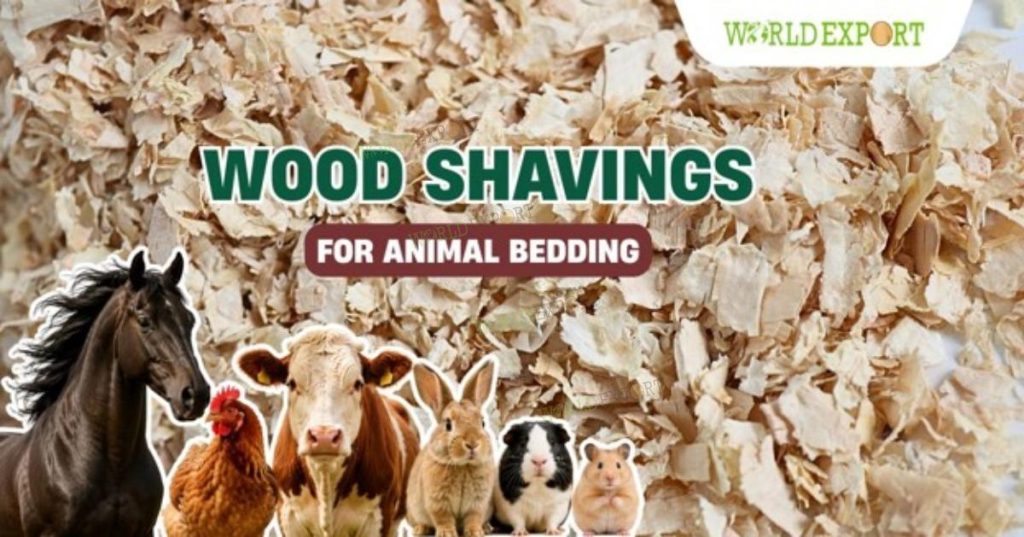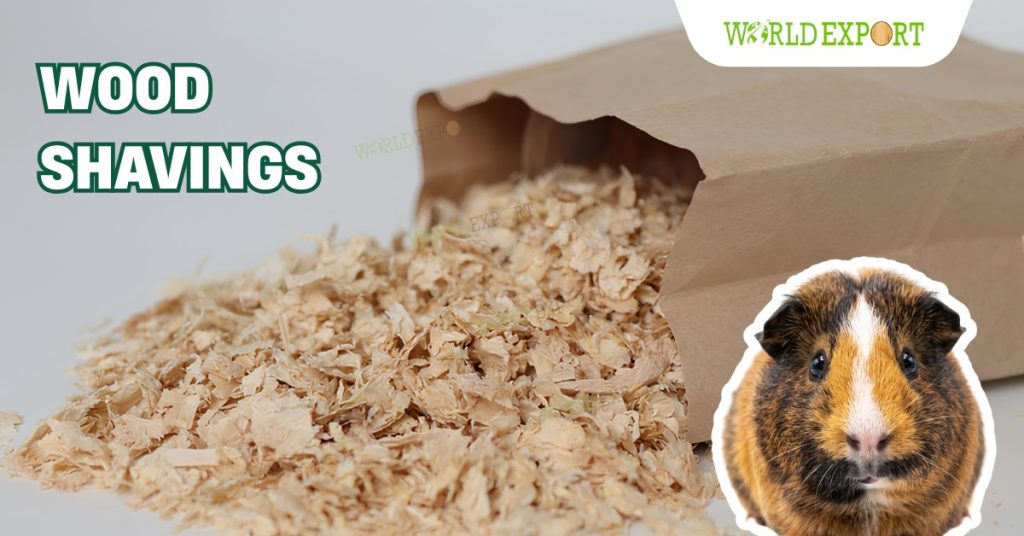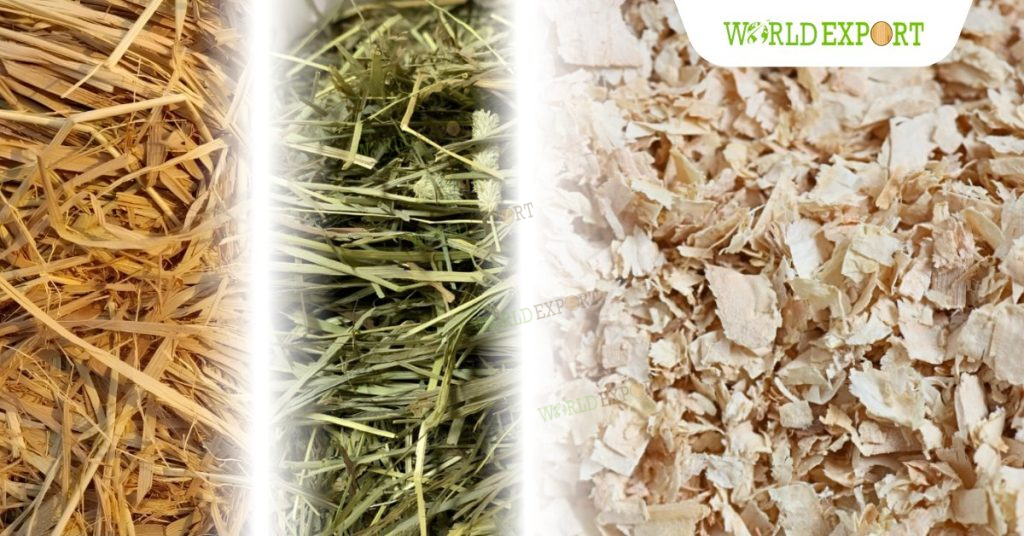









This comprehensive guide is designed for procurement managers and large-scale farm owners searching for a reliable high-volume supply of wood shavings. We will break down essential technical specifications, livestock-specific applications, and criteria for selecting a dependable bulk biomass export partner. Read on to standardize your import requirements and optimize your agricultural supply chain today.
Executive summary and key takeaways for B2B buyers
Sourcing bulk timber flakes requires a thorough understanding of material properties and logistical constraints. Busy procurement managers must balance performance requirements with freight economics to optimize their purchasing strategy. Sourcing from reputable wholesale biomass suppliers ensures consistent access to premium materials.
- Material Selection: Evaluate the raw wood source carefully. Pine offers superior absorption and odor control, while mixed woods provide cost-effective alternatives for large-scale agriculture.
- Quality Assurance: Demand kiln-dried materials. Proper thermal treatment prevents mold and ensures international phytosanitary compliance.
- Dust Extraction: Specify dust-free bedding. Mechanical screening must remove fine particles to protect animal respiratory health and maintain clean facilities.
- Logistics and Packaging: Match your packaging choice to your material handling capabilities. Compressed bales optimize container space, while jumbo bags suit mechanized farm operations.
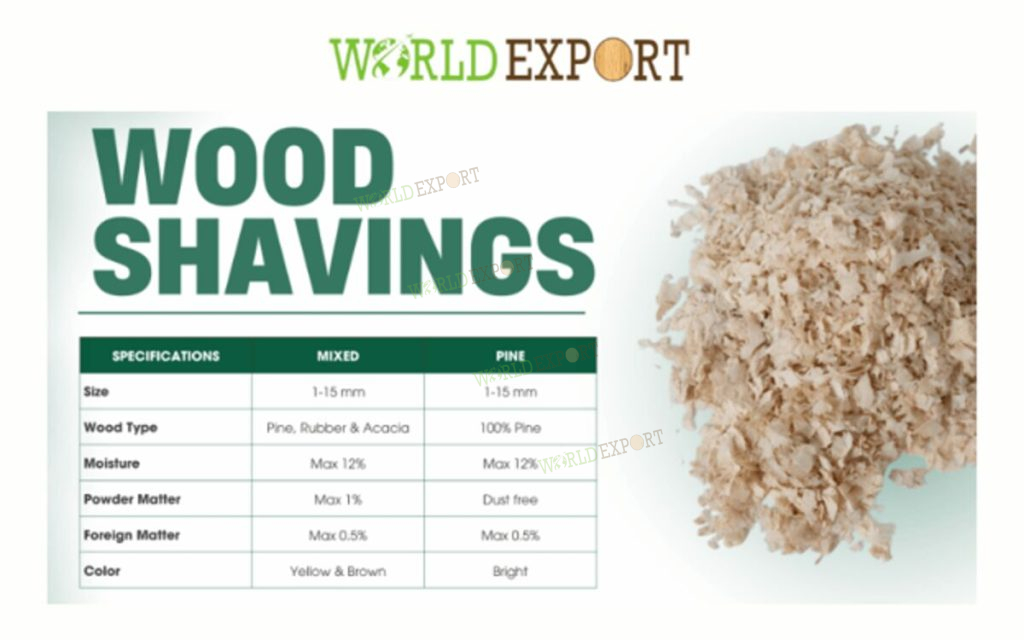
| Specification | Standard Tolerance | Industrial Benefit |
| Moisture Content | Max 12% | Prevents mold growth and maximizes liquid absorption capacity. |
| Powder Matter | Max 1% | Protects respiratory health and minimizes airborne dust in facilities. |
| Foreign Matter | Max 0.5% | Ensures safety by eliminating bark, stones, and metallic debris. |
| Flake Size | 1–15 mm | Provides structural consistency for even distribution and bedding stability. |
Wood shavings meaning: What are wood shavings in industrial applications?
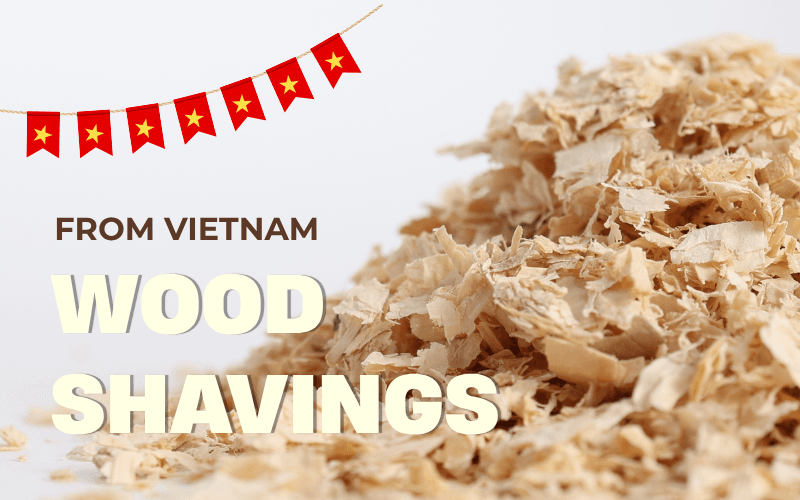
In the commercial sector, this industry term refers specifically to mechanically processed wood flakes, which are entirely distinct from raw sawdust or mill by-products. So, what are wood shavings exactly? They are thin, uniform layers shaved from raw timber, engineered to provide high porosity and maximum surface area for moisture absorption.
Producing a consistent factory-grade product requires a strict, closed-loop manufacturing process:
- Sourcing and inspecting raw timber from managed plantations.
- Mechanical debarking to eliminate 100% of bark, soil, and inorganic matter.
- Feeding logs into specialized shaving machines to produce uniform flakes.
- Kiln-drying, multi-stage dust screening, and high-pressure packaging.
The primary advantage of this industrial process is uncompromised consistency. Automated systems ensure that thousands of tons of biomass maintain the exact same moisture levels and flake profiles.
Understanding the industrial processing of these natural products allows buyers to easily distinguish factory-grade materials from inferior, manually processed by-products.
Types of wholesale wood shavings available for bulk buy
The choice of raw timber directly impacts both your cost structure and the material’s field performance. Depending on your operational budget and end-user needs, there are several distinct raw material categories to consider when you purchase in bulk.
1. Premium pine wood shavings
100% pure pine is positioned as a top-tier material due to its incredibly soft texture and superior absorption rates. Premium flakes made from pine contain natural essential oils that act as powerful antibacterial agents and natural ammonia neutralizers.
For premium veterinary facilities and equestrian centers, the elasticity of pine bedding provides excellent cushioning, reducing hoof and joint stress. Consequently, pine remains the preferred choice for high-end markets across North America and Europe.
2. Acacia and rubber wood materials
If you are working with a tighter budget, acacia and rubber wood offer highly cost-effective alternatives. In Southeast Asia, these represent the most abundant bulk bedding options available on the market.
While they lack the distinct scent of pine, their durability and absorption capacities are more than sufficient for general poultry farming, dairy cattle bedding, and large-scale agricultural compost production.
3. Mixed timber flakes and customized blends
Many modern importers prefer customized blends to strike the perfect balance between performance and cost. Mixing premium pine with economical rubber wood creates a versatile wholesale bedding product that maximizes ROI.
Certain agricultural corporations specifically request a custom ratio, such as 30% sawdust combined with 70% flakes, or a customized wood ratio of 40% pine mixed with 60% acacia and rubber. This specific blend creates a dense, multi-layered thermal barrier, highly effective at keeping chicks warm during winter seasons.
Tailoring your choice of wood species allows distributors to build a versatile portfolio that caters to various price points and farming requirements.
General properties of wood shavings and quality standards
Evaluating the general properties of the material prior to purchase is a critical step for bulk buyers to ensure consistent quality.
1. Kiln dried wood shavings vs. air dried
The difference between kiln-drying and natural air-drying is the dividing line between an industrial product and a volatile material. These thermally treated flakes are forced to achieve a stable moisture content of under 12%.
This strict moisture control entirely eliminates the risk of fungal growth during prolonged sea transit. Furthermore, the high temperatures involved in the kiln process eradicate pathogens, ensuring full compliance with international phytosanitary regulations.
2. Dust extracted flakes and untreated materials
Wood dust is the primary culprit behind respiratory distress in livestock. Therefore, utilizing a multi-stage vibrating screen system to produce dust-free products is an uncompromising standard for major B2B suppliers.
Equally important is the guarantee of untreated timber, meaning the raw wood has not been exposed to chemical preservatives. This ensures a perfectly safe, non-toxic environment when animals come into direct contact with the bedding.
3. Flake size grading: Fine, medium, and large flake options
Flake size dimensions (typically ranging from 1 to 15 mm) dictate the product’s ultimate commercial application. Depending on your target market, you will need to specify orders with precise parameters, such as 1-15mm or 3-15mm, whether you require fine or medium grades.
Large flakes provide maximum loft and cushioning, making them ideal for heavy livestock. Conversely, thin shaving profiles offer a rapid evaporation surface area, making them highly effective for high-density poultry housing.
A credible manufacturer must guarantee strict adherence to these thermal drying and dust-extraction standards to consistently deliver superior bedding.
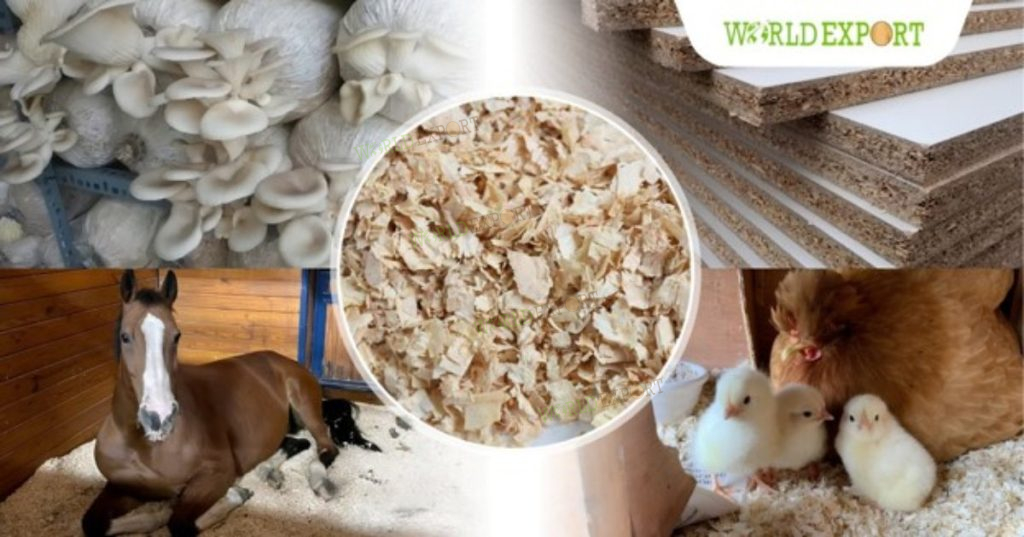
Primary B2B applications for bulk timber flakes
Aligning the right flake type with the correct farming model makes closing B2B contracts significantly easier. Below are the three primary consumption channels for this biomass.
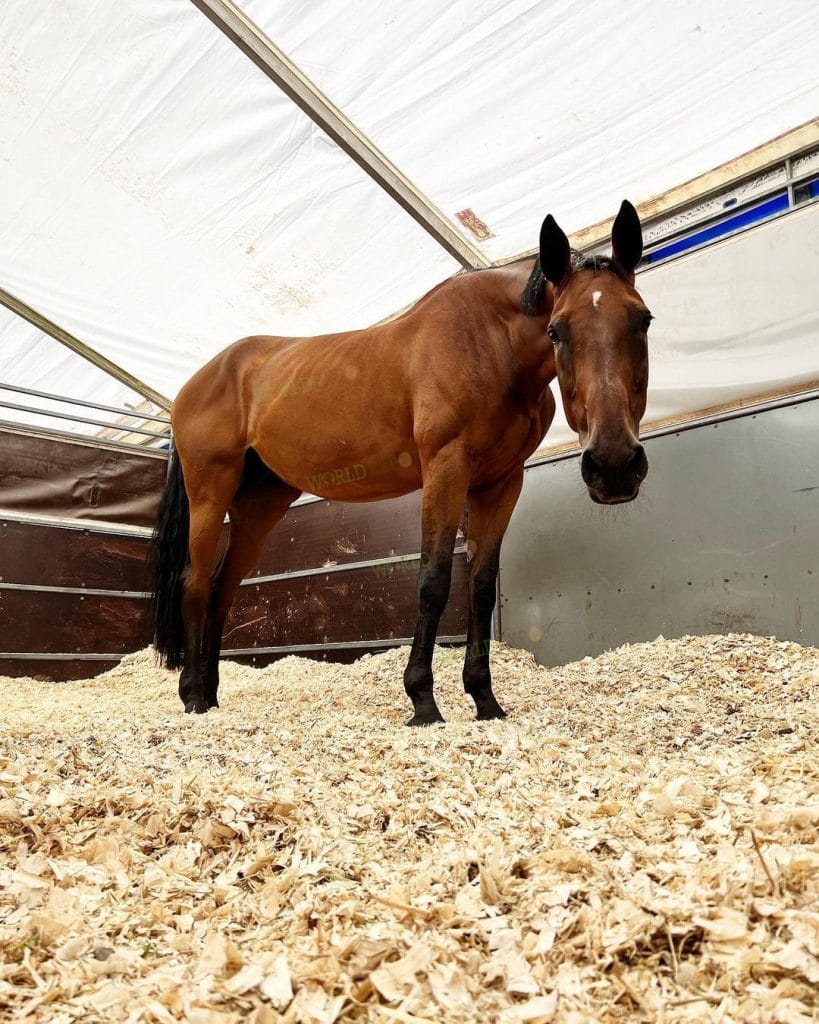
1. Wood shavings for livestock: Equine and beef/dairy cattle
In the large-scale livestock sector, these materials provide a dual benefit: superior sanitation and enhanced animal welfare. For those looking to optimize their farm environment, expert insights suggest that choosing the right bedding species is a critical strategy for smart farming. (1)
For dairy operations, high-absorption layers quickly lock away liquid waste, keeping the floor surface completely dry. This dramatically reduces the incidence of bacterial infections such as mastitis and laminitis, directly protecting milk yields.
2. Poultry bedding materials: Broiler, layer optimization & chicks
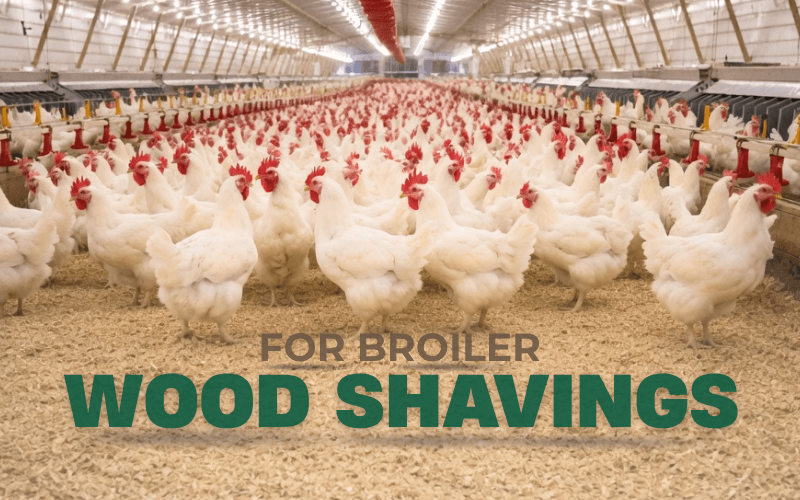
In poultry operations, bedding quality directly impacts the Feed Conversion Ratio (FCR). Clean, dry flooring prevents heat loss, allowing broilers to direct their energy toward growth. To understand why consistent bedding standards are essential for high-yield poultry farms, farm managers consistently report lower mortality rates and improved flock uniformity when upgrading to properly graded bedding material. (2)
3. Pet materials bedding and commercial litter
The domestic pet sector (cats, rabbits, hamsters, and guinea pigs) consumes massive volumes of bagged pet litter. Buyers in this segment are willing to pay premium prices for ultra-clean, brightly colored, and soft flakes.
Kiln-dried materials inhibit bacterial growth in litter trays and prevent skin irritation in small animals. For those interested in the stringent quality requirements of premium small-pet bedding, our technical data provides a clear benchmark for safety and hygiene.
Supplying private label (OEM) bedding to this niche offers exceptional profit margins for wholesale distributors.
Packaging, logistics, and how to buy this material by the truckload
Packaging configurations directly dictate ocean freight costs and warehouse space efficiency. Mastering logistics is the key to lowering your landed cost when you import by the truckload.
1. Bagged flakes and compressed bales
The global standard for retail and farm delivery is the heavy-duty, UV-resistant PE bag. A standard bale of this product typically holds a net weight of 20kg, designed to withstand rough handling. By utilizing hydraulic compression, compressed flakes reduce the material’s natural volume significantly. This engineering marvel solves the issue of high volume-weight shipping costs and maximizes vertical storage in distribution centers.
2. Jumbo bags and standardized pallet configurations
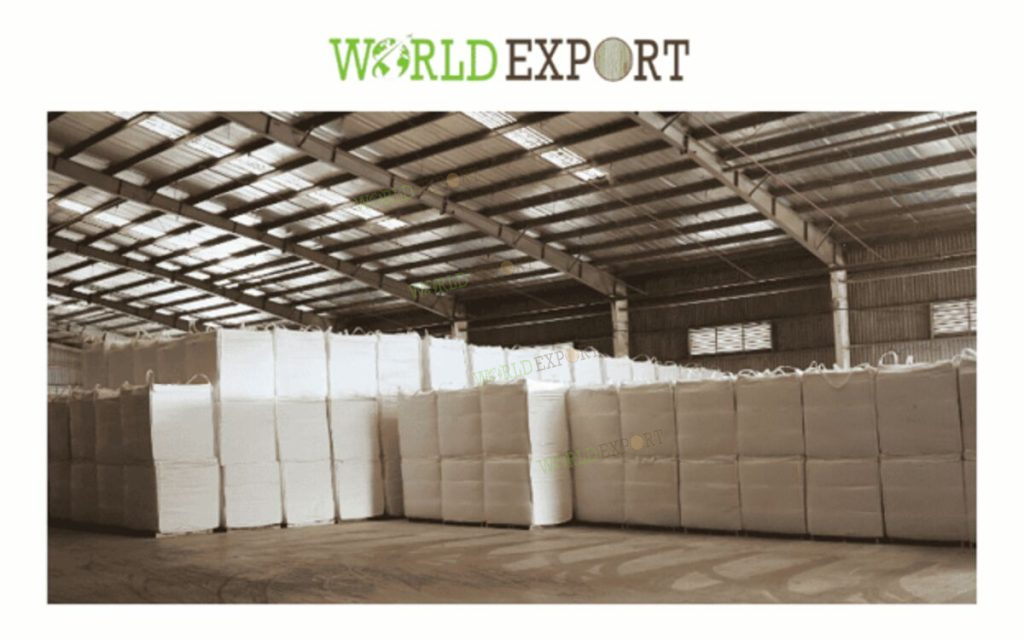
For industrial fertilizer plants or massive agricultural co-ops, 500-600 kg Jumbo bags are the superior choice. These bulk bags feature inner PE liners to completely block ambient humidity during transit. When exporting, standardizing a pallet system (e.g., 40 pallets holding 960 compressed bags) allows for rapid forklift extraction at the destination port, aggressively cutting down manual labor costs.
3. Container loading and international shipping terms
Maximizing Cubic Meters (CBM) inside a shipping container is a mathematical necessity. A standard 40-foot High Cube (40’HC) container can accommodate approximately 20 tons of 20kg compressed bags, with a capacity of 1,200 to 1,300 bags if loaded in bulk, or 960 bags if palletized. If utilizing Jumbo bags, the total payload can reach 24 tons, accommodating 40 to 48 bags per 40’HC container.
When finalizing your bulk contracts, clearly negotiate FOB or CIF terms and require the supplier to prepare mandatory Fumigation certificates well in advance. Selecting the optimal compression ratio and container configuration is the single most effective way to drive down freight costs per metric ton.
How to choose wholesale wood shavings suppliers
Evaluating a biomass manufacturer near me or an overseas factory in Asia requires looking past the initial price quote. True B2B capability lies in infrastructure and supply chain transparency.
1. Assessing manufacturing capacity and quality control
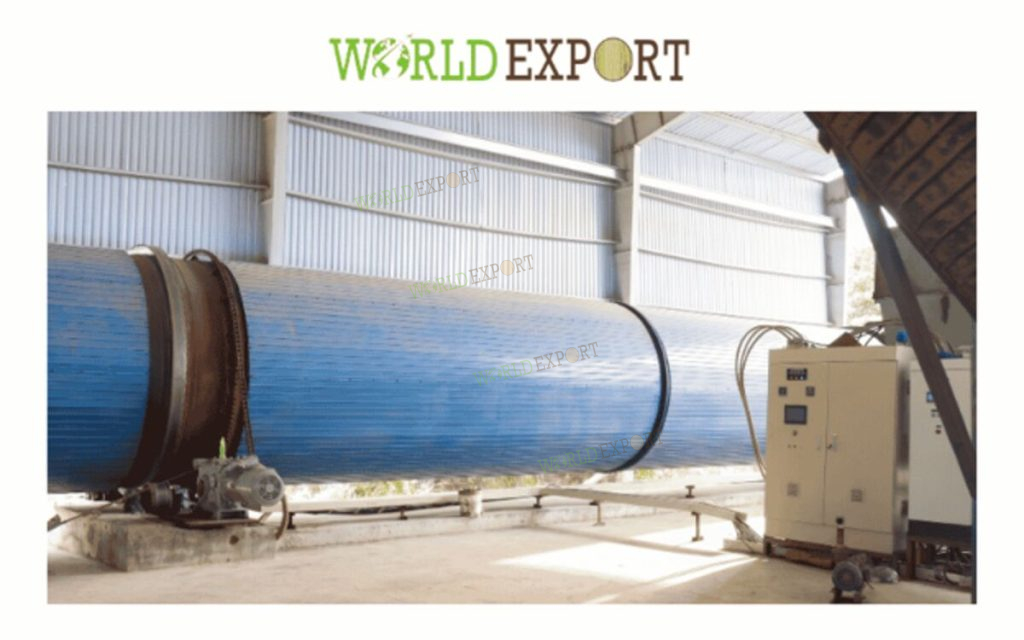
Procurement teams must audit a supplier’s hardware. A tier-one facility must possess automated debarkers, high-capacity rotary dryers, and multi-stage vibrating dust screens.
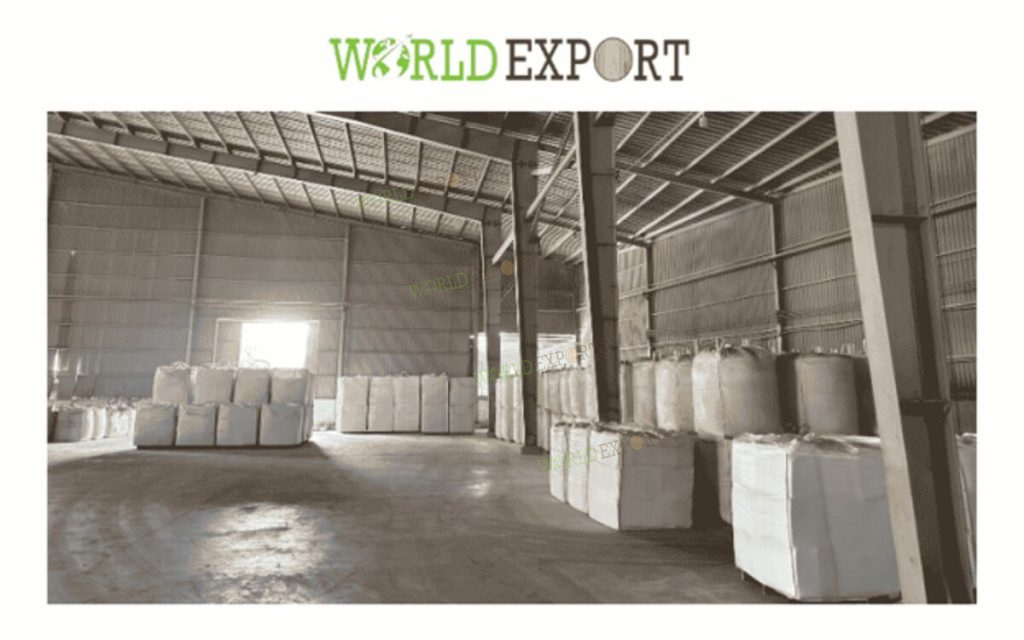
Additionally, extensive covered warehousing is a major indicator of reliability. A factory that can safely stockpile massive inventories indoors guarantees that your supply chain will not break down during local monsoon or rainy seasons.
2. Evaluating pricing and bulk contracts
The baseline rate for bulk shipments fluctuates based on raw timber costs, energy prices for the drying kilns, and global ocean freight indexes. Always ask suppliers to break down these variables in their quotes.
Aggressively chasing the cheapest options often results in receiving damp, dusty, or underweight shipments. The most secure strategy is to establish long-term framework agreements (6 to 12 months) with reputable factories to lock in stable pricing.
Prioritize wholesale suppliers with extensive infrastructure and transparent QA/QC protocols over those merely competing on rock-bottom prices.
As a leading manufacturer and exporter of premium timber by-products in Vietnam, World Export operates an expansive network of six factories with a robust production capacity of 25,000 tons per month. This industrial scale ensures a continuous, year-round supply stability for large-scale operations. We currently manage high-volume export operations to demanding markets across the Middle East, South Korea, and Japan, consistently meeting the rigorous quality and biosecurity standards required by our international partners.
B2B FAQ
Corporate procurement teams often have specific technical and compliance queries. Below are direct, factual answers to the most common industry questions.
1. How to determine the source of wood shavings?
Legitimate origin is verified through Chain of Custody (CoC) documentation. Professional export manufacturers can provide traceable paperwork proving the timber was sourced from legal, managed plantations, often carrying international certifications like FSC (Forest Stewardship Council) upon request.
2. How to tell the kind of wood shavings?
Visual and olfactory inspections are the fastest methods. Premium pine flakes are bright yellow-white and emit a distinct, strong pine resin scent. Conversely, acacia or rubber wood materials are slightly darker (light brown) and are virtually odorless.
3. Are wood shavings biodegradable?
Absolutely. 100% natural timber flakes that have not been chemically treated boast excellent biodegradation rates. After serving as bedding, this nutrient-rich waste is frequently resold to commercial composters, adding a lucrative secondary revenue stream for farm operators.
4. Where to buy wood shavings online for commercial use?
For high-volume commercial needs, bypass consumer retail platforms entirely. Engage directly with manufacturing factories through professional B2B portals or corporate websites. This eliminates broker markups and allows you to negotiate terms for your orders delivered by direct full truckload or ocean container.
Addressing these technical and logistical details upfront effectively filters out unverified vendors, ensuring a secure and highly professional global trade partnership.
Securing a reliable, high-quality supply of wood shavings is a distinct competitive advantage for any modern agricultural enterprise. We hope this guide equips your procurement team with the exact criteria needed to vet suppliers and negotiate better terms.
For a detailed quote and a free sample of our bulk materials, contact World Export today!
WORLD EXPORT COMPANY LIMITED
No. 35, Street 12, Van Phuc 1 Residential Area, Quarter 5, Hiep Binh Ward, Ho Chi Minh City, Vietnam
Tel / Whatsapp / Kakaotalk: +84 932 632 317
Email: supportwe@worldexport.com.vn