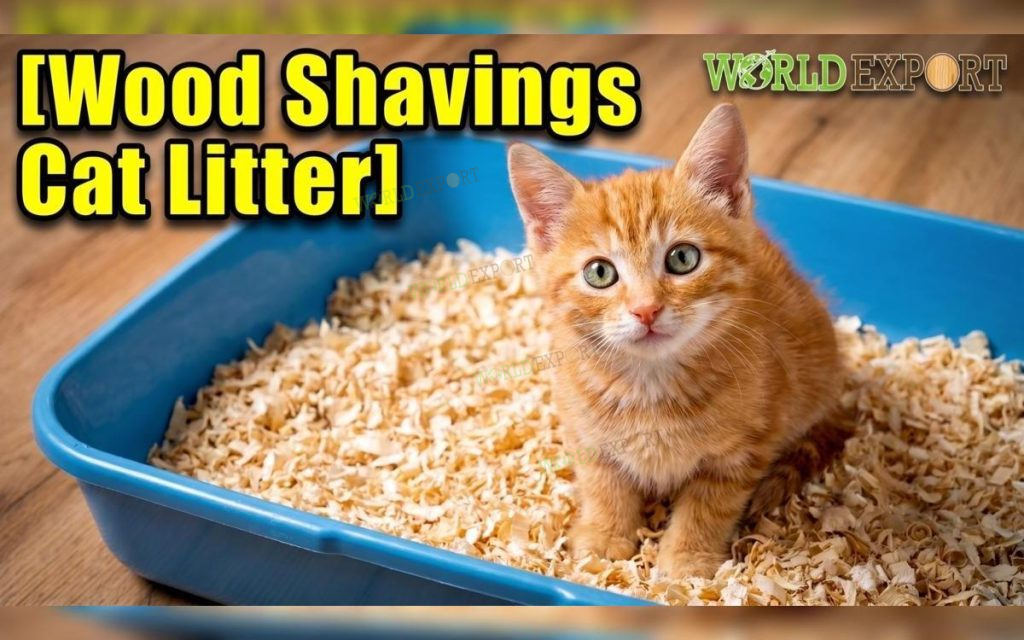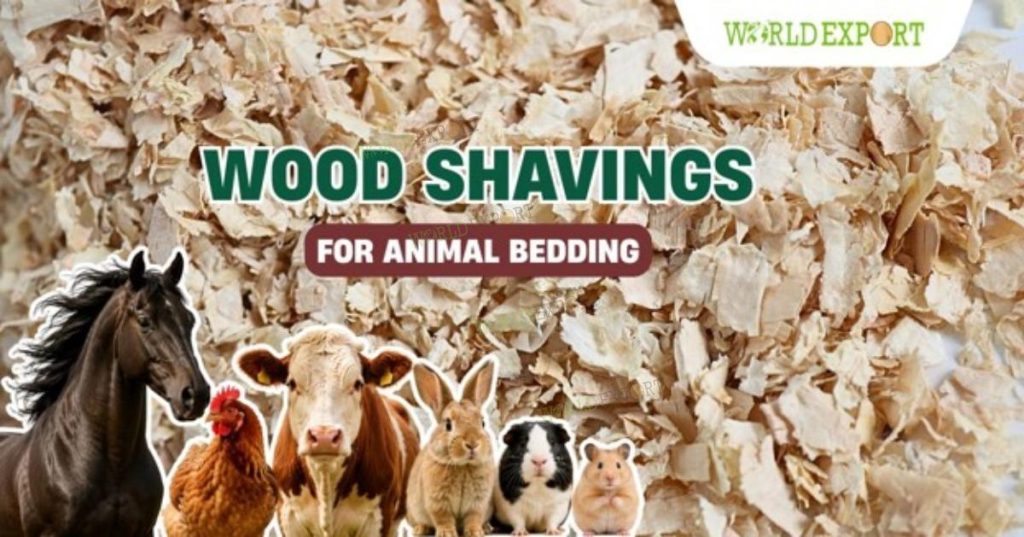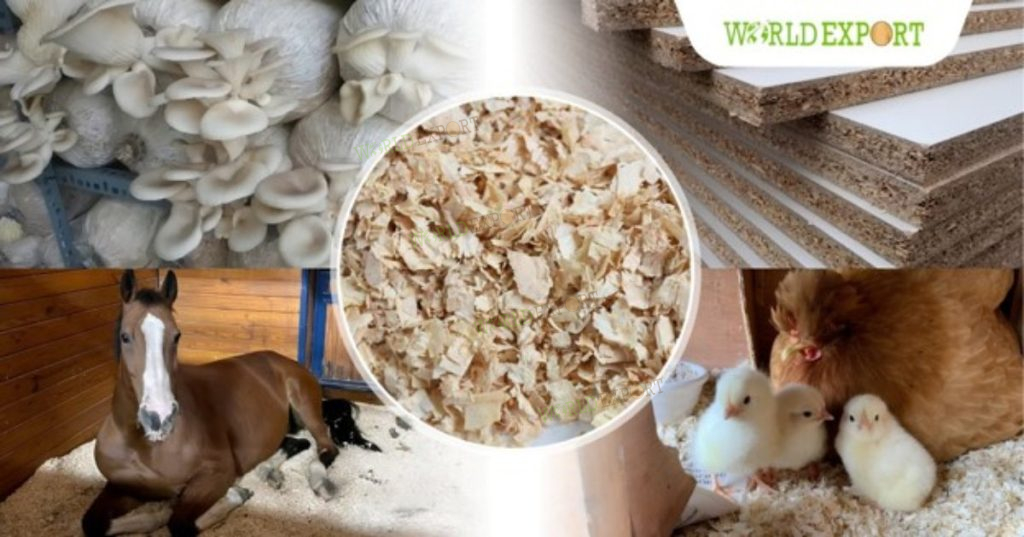



For procurement managers, importers, and wholesalers, sourcing bulk wood shavings for rabbits is a discipline that sits at the intersection of veterinary safety, forestry certification, and international freight economics. Retail buyers of wood shavings for rabbit bedding today expect low-dust, kiln-treated, sustainably certified product delivered on schedule at competitive landed cost. Any weakness in the specification, documentation, or logistics chain surfaces immediately as customs delays, retail returns, or reputation damage. This guide walks through what a serious buyer needs to know at each layer.
Market demand and consumer trends for rabbit cage wood shavings
The global small animal bedding market is valued at approximately USD 1.93 billion in 2025 and projected to reach USD 2.65 billion by 2032, growing at a compound annual rate of roughly 4.6%. Wood-based bedding accounts for about 48% of global animal bedding demand by volume, with rabbit and small mammal segments representing a substantial share of end use.
The demand mix is shifting. Industry data indicates that sustainability considerations now drive 63% of repeat purchases among small animal bedding consumers, and over 62% of buyers actively prefer eco-friendly, low-dust materials. For wholesalers of rabbit cage wood shavings, this consumer signal has been translated into unavoidable procurement pressure: retail chains now specify FSC or PEFC chain-of-custody documentation, dust screening, and traceability at contract stage. The bar for entry into the premium retail channel has moved decisively upward, and lower-grade sawmill by-product no longer clears it. (1)
Evaluating veterinary safety: Are wood shavings safe for rabbits?
The health concern that shapes every technical specification downstream is the release of aromatic hydrocarbons — primarily phenols — from softwood shavings. Untreated pine and cedar shavings emit these compounds continuously, and published veterinary literature has documented elevated liver enzymes in rabbits exposed to softwood bedding, with enzyme levels returning to normal after bedding was substituted. The phenol issue is not theoretical — it is the reason established welfare organizations and veterinary references have long cautioned against raw softwood.
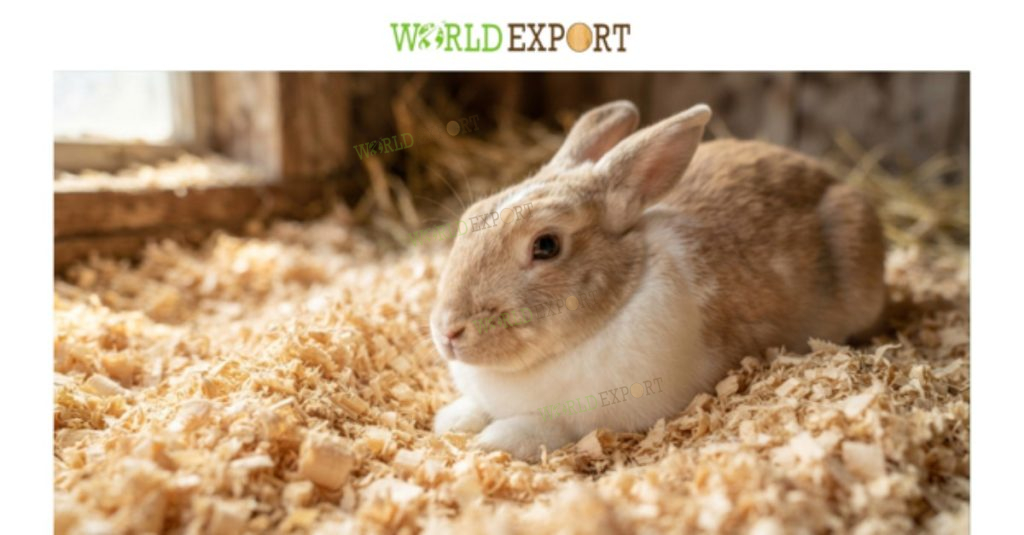
The commercial answer is not to abandon pine, but to specify treatment. The following two subsections address the technical basis for that specification and the manufacturing controls needed to make it safe.
1. The phenol debate: pine wood shavings for rabbits vs. untreated wood
The distinction between safe and unsafe softwood is a matter of biochemistry. Aromatic hydrocarbons and volatile organic compounds concentrated in raw pine and cedar are the toxic agents; kiln-drying substantially reduces their concentration. The National Institute of Health guide for laboratory animals notes that “heat treatments applied before bedding materials are used to reduce the concentration of aromatic hydrocarbons”, and controlled studies (Wade et al.) have demonstrated that extracting the active phenolic compounds from cedar eliminates the metabolic response in mice.
Commercial-grade pine wood shavings for rabbits must therefore be kiln-dried under a controlled temperature-time schedule. Industrial softwood drying at dry-bulb temperatures in the 180–240°F (82–116°C) range for extended dwell times evaporates the volatile organic compounds responsible for phenol emissions while stabilizing moisture content. For B2B contracts, this means the specification must call for kiln-dried pine — not air-dried, not “seasoned,” and never raw sawmill output. Some welfare bodies still recommend paper or aspen as a first choice for particularly sensitive rabbit setups, and buyers targeting that segment should stock accordingly.
>> Learn more: Những lợi ích hàng đầu của việc sử dụng mùn cưa làm lót chuồng cho vật nuôi
2. Ingestion risks: Can rabbits eat wood shavings?
Rabbits will nibble anything in their enclosure, and buyers frequently ask whether ingested shavings pose a gastrointestinal impaction risk. From a manufacturing standpoint, the answer lies in two controlled variables: flake size Và material purity. Large, uniform flakes are difficult for a rabbit to ingest in problematic quantity and pass through the digestive tract without accumulating. It is the micro-fines — sub-millimeter particles of powdered wood — that create real impaction and respiratory risk.
This is why the multi-stage sieve screening step during milling is not optional. Industrial trommel screens and cyclone separators remove the fine particulate fraction after planing, so the finished product entering the bale is a graded flake with a controlled fines percentage. Quality assurance protocols at a competent mill test fines by weight per batch, and buyers should specify a maximum in the contract — typically well below 1–2% micro-particulate content. If a supplier cannot demonstrate the screening line and provide batch-level fines data, the product is not commercially safe for rabbits regardless of price.
Technical specifications for manufacturing the best wood shavings for rabbits
The following Factory Specification Matrix is designed as a checklist buyers can paste directly into commercial contracts or Purchase Orders. It captures the three parameters that separate viable best wood shavings for rabbit’s product from an unusable one.
| Technical Parameter | Optimal Export Standard | Quality Assurance Method | Commercial Impact for the Buyer |
| Hút bụi | Micro-particle ratio <1–2%; multi-stage screening required | Industrial cyclone dust collectors and trommel screens with fines-percentage batch testing | Mitigates consumer complaints on rabbit respiratory issues; ensures compliance with strict EU/US retail standards |
| Moisture Content (MC) | Strictly maintained between 8% – 12% | Continuous testing via electronic moisture meters and laboratory oven-dry tests (ASTM D4442) prior to baling | Prevents mold, mildew, spontaneous heating, and combustion risks during 30–45 day ocean freight transit |
| Kích thước vảy | Clear categorization: micro-flakes vs. large flakes | Processed and sorted via standard industrial sieve systems | Directly dictates product absorbency and volume-to-weight ratios, impacting container loading efficiency |
Global supply chain logistics and export compliance
An anonymized scenario illustrates the cost of getting compliance wrong. A container of bulk shavings arrives at a US port without a valid phytosanitary certificate from the exporting country’s National Plant Protection Organization. USDA APHIS issues an Emergency Action Notification. The importer’s options are to safeguard the shipment under agricultural officer supervision, destroy the noncompliant material at the importer’s expense, or re-export at the importer’s cost (APHIS EAN process). All three carry demurrage charges that accrue daily. The following checklist prevents that outcome.
- Phytosanitary certification and ISPM 15 compliance. 100% of bulk wood shaving shipments must be accompanied by a Phytosanitary Certificate issued by the exporting country’s plant protection authority. Any wooden pallets or dunnage must additionally bear the ISPM 15 mark certifying heat treatment (minimum core temperature 56°C for 30 minutes) or approved fumigation. These are non-substitutable documents; a compliant treatment stamp does not replace a phytosanitary certificate, and vice versa.
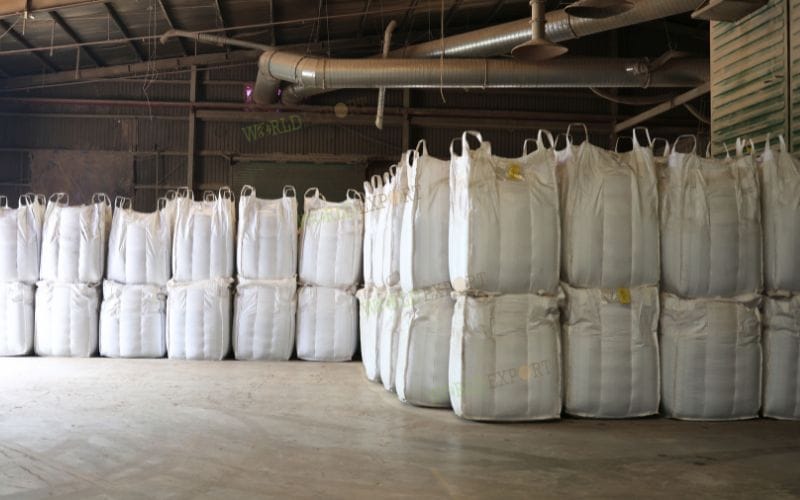
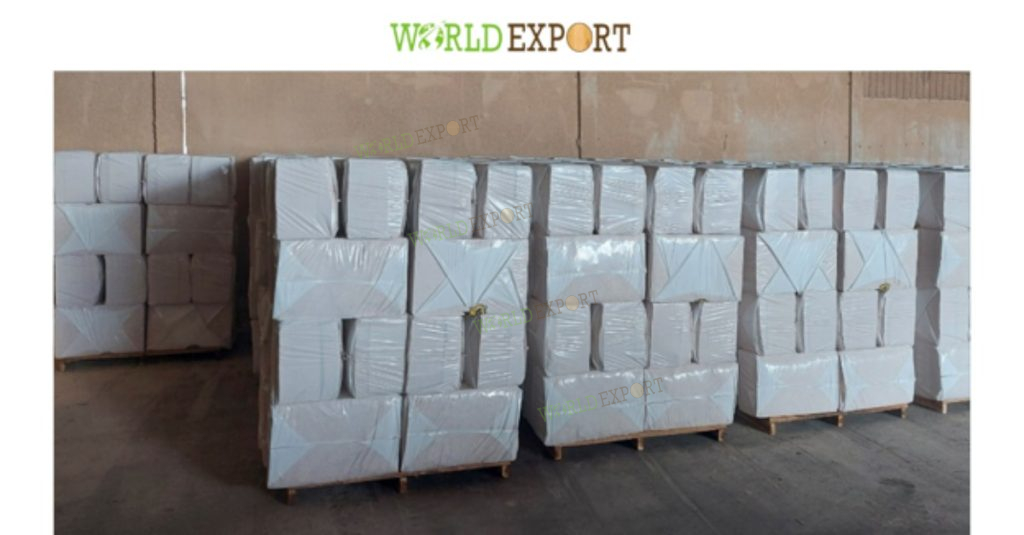
- Bale compression ratios and container loading efficiency. Uncompressed wood shavings ship as air at roughly 60 kg/m³. A 40-foot high-cube container holds approximately 76 m³ of internal volume, meaning uncompressed shavings would deliver only ~4.5 metric tons per container — far below the container’s ~28-ton payload capacity. A hydraulic baling press achieving a 3:1 compression ratio raises material density to ~180 kg/m³, delivering ~13–14 tons per container. Buyers should specify baled product with a target payload of 20+ tons per 40ft HC in the purchase order; every additional ton per container is a direct reduction in landed cost per unit.
- Navigating Incoterms and freight volatility. For bulky, low-margin agricultural by-products, the choice between FOB (Free On Board), CIF (Cost, Insurance and Freight), and DDP (Delivered Duty Paid) shapes both cost structure and risk exposure. FOB gives the buyer maximum control over ocean freight rates and carrier selection but requires established forwarder relationships. CIF simplifies operational load but its mandatory insurance covers only Institute Cargo Clauses (C) — a minimum tier that excludes many common maritime losses on moisture-sensitive cargo. DDP transfers all import clearance and inland delivery to the seller, which is convenient but exposes the seller to unfamiliar customs environments and is rarely offered at competitive rates for this product category. Buyers should structure marine insurance clauses to supplement CIF coverage with all-risks protection against moisture and mold damage.
Commercial considerations and supplier vetting
Auditing an international manufacturing partner for rabbit and mùn cưa to supply requires more than a specification sheet. A qualified supplier demonstrates verifiable factory capacity, chain-of-custody documentation, financial stability sufficient to honor volume commitments, and a track record of clean customs clearance across the buyer’s target markets. The two subsections below address the certification and material-choice questions that shape the final procurement decision.
1. Assessing FSC and PEFC sustainability certifications
Forest Stewardship Council (FSC) and Programme for the Endorsement of Forest Certification (PEFC) labels are increasingly non-negotiable for entry into European and North American retail chains. Both schemes verify that wood originates in responsibly managed forests, and both require a valid Chain of Custody (CoC) certificate held by every entity in the supply chain from forest to warehouse.
For the supplier to legally place an FSC or PEFC label on packaging, they must hold a current CoC certificate from an accredited third-party auditor. Ask for the certificate number and verify it against the FSC or PEFC public database. Retail data shows that certified product commands a measurable price premium and reduces the risk of retailer de-listing on sustainability grounds.
2. Analyzing the alternative to wood shavings for rabbits
Buyers evaluating the alternative to wood shavings for rabbits face a three-way trade-off between absorbency, cost, and supply chain reliability. The matrix below summarizes commercial realities.
| Vật liệu | Absorbency (× own weight) | Relative cost per ton | Supply availability | Raw material volatility |
| Kiln-dried pine shavings | 2× | Low (baseline) | High — established global supply | Moderate (exposed to US-China lumber tariff dynamics) |
| Hemp hurd | 4× | 2–3× wood shavings | Growing but concentrated in US/EU producers | Low-moderate (limited but expanding acreage) |
| Recycled paper bedding | 1–1.5× | Moderate | High — abundant post-consumer feedstock | Low |
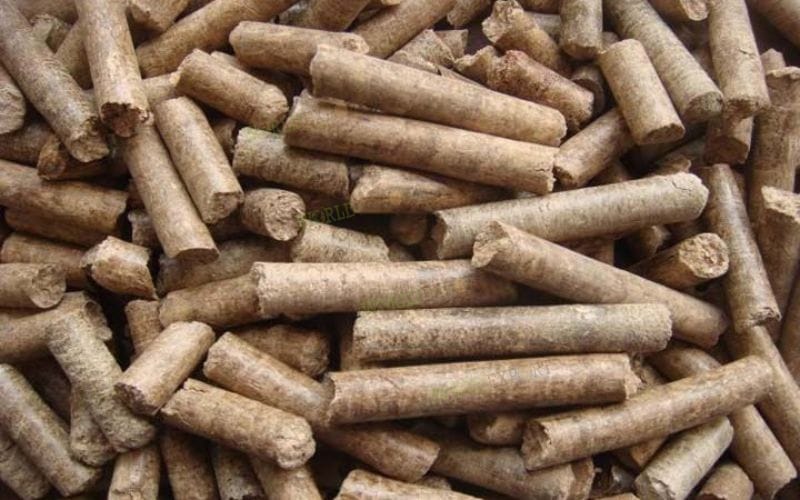
| Viên nén gỗ | 3× | ~2× wood shavings | Cao | Same as shavings |
Wood shavings retain the largest share of the rabbit bedding wood shavings market on cost per ton and supply reliability. Buyers in the wood shavings rabbit farming segment increasingly stock a two-tier assortment: kiln-dried pine as the volume of rabbit wood shavings SKU, hemp or paper as the welfare-premium option. Hemp is the fastest-growing alternative but remains price-limited; paper bedding suits high-turnover retail settings but requires more frequent replacement.
Câu hỏi thường gặp về B2B
1. Can you put wood shavings in a rabbit cage directly from a sawmill?
No. Raw sawmill shavings lack the dust extraction, kiln-drying, and pest control required for animal bedding. The fines percentage is uncontrolled, phenol content in untreated softwood remains at toxic levels, and moisture content is inconsistent enough to cause mold in packaged storage. Retailers stocking raw sawmill product face immediate consumer complaints and product liability exposure.
2. Are wood shavings good for rabbits compared to paper bedding?
For commercial breeders and wholesale channels, kiln-dried pine wood shavings offer roughly double the absorbency of recycled paper bedding at a lower per-ton cost, with superior ammonia control. Paper bedding wins on dust profile and appeals to the welfare-conscious retail segment. Many wholesalers now stock both, positioning kiln-dried pine as the volume of product and paper as the premium/sensitive-animal SKU.
3. Can I use wood shavings for my rabbits bedding if they are unkilned?
No, and for wholesalers this is a liability issue. Unkilned softwood shavings retain the aromatic hydrocarbon load documented in the veterinary literature to cause respiratory irritation and elevated liver enzymes. Selling unkilned pine or cedar shavings as rabbit bedding exposes the retailer to product liability claims and welfare-organization scrutiny. (2)
Sourcing wood shavings for rabbits from Vietnamese manufacturers
Vietnam has emerged as a competitive source for kiln-dried pine wood shavings that meet international export standards. World Export produces 100% pine wood shavings (1–15 mm) with maximum 12% moisture content, dust-free screening, and maximum 0.5% foreign matter — a specification profile aligned with commercial-grade small animal bedding. A Salmonella test report is available on request. For buyers evaluating Vietnamese sourcing, see the Pine Wood Shavings product page or contact us for FOB quotations, sample requests, and export documentation.
CÔNG TY TNHH XUẤT KHẨU THẾ GIỚI
Số 35, Đường 12, KDC Vạn Phúc 1, Khu phố 5, Phường Hiệp Bình, TP.HCM, Việt Nam
ĐT/ Whatsapp/ Kakaotalk: +84 932 632 317
E-mail: supportwe@worldexport.com.vn