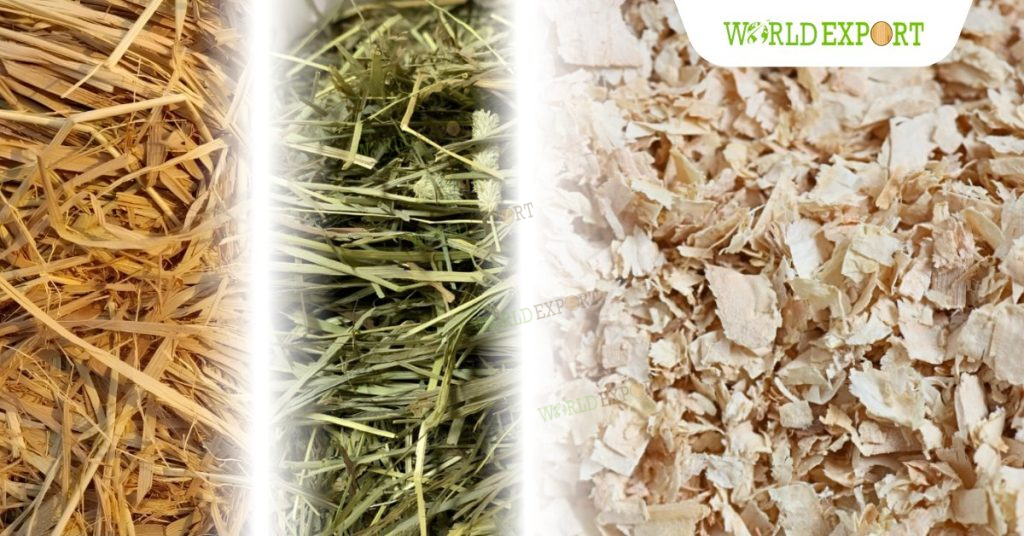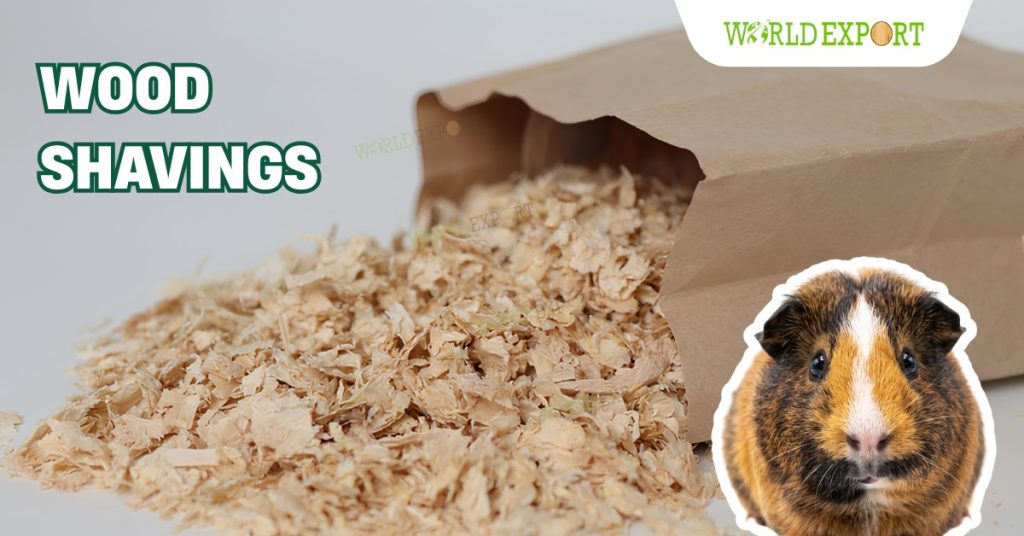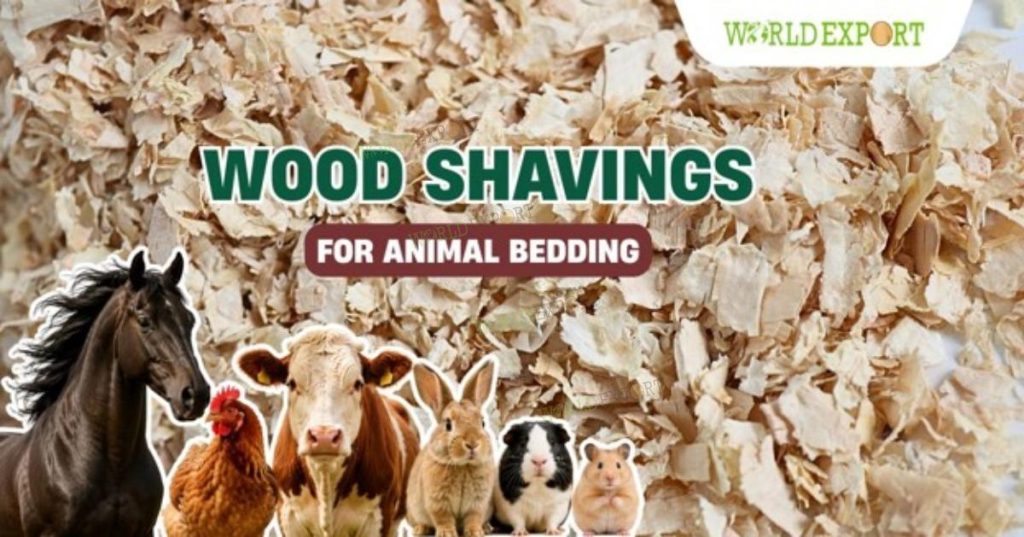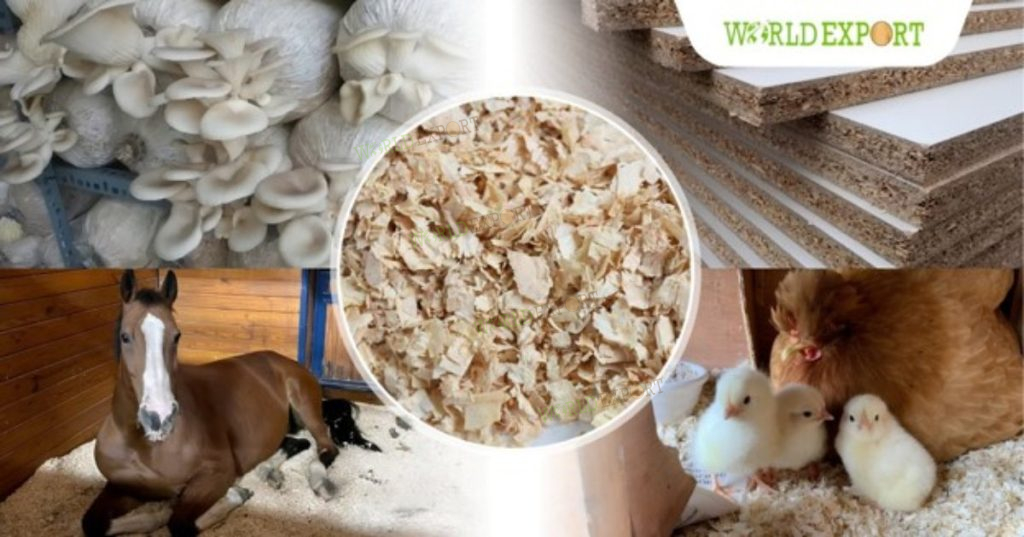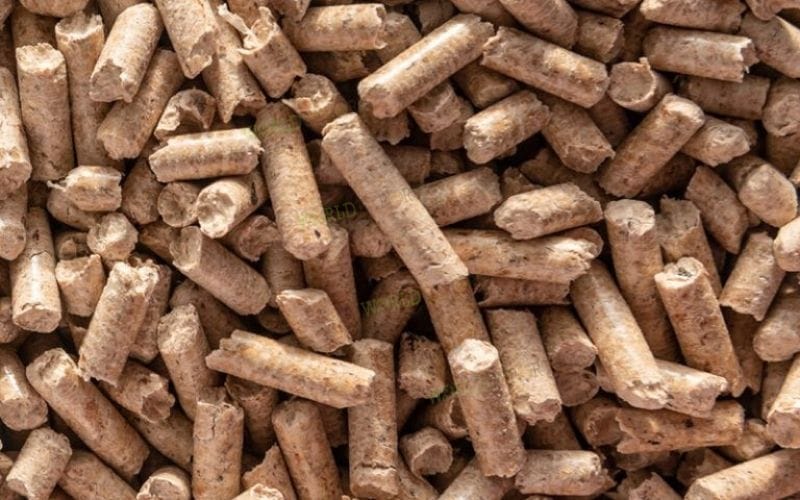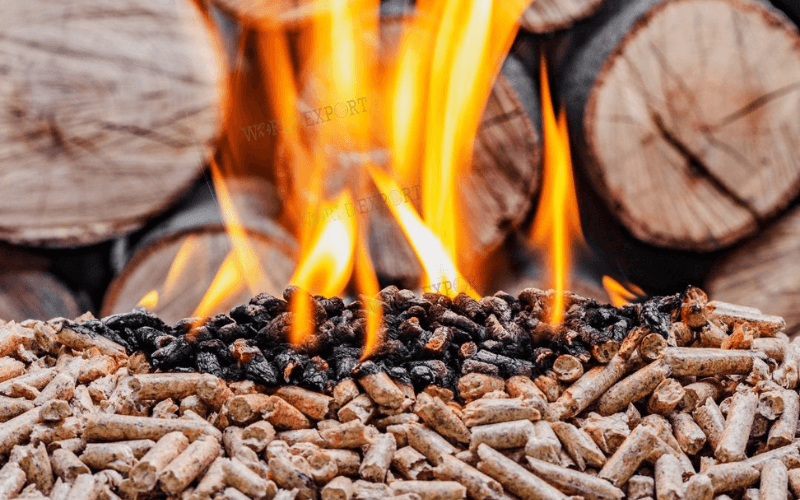







Pour les responsables des achats, les importateurs et les grossistes, l'approvisionnement en gros copeaux de bois pour lapins La gestion durable des déchets est une discipline à la croisée de la sécurité vétérinaire, de la certification forestière et de l'économie du transport international. Les acheteurs de copeaux de bois pour litière de lapins exigent aujourd'hui un produit à faible émission de poussière, traité au four et certifié durable, livré dans les délais et à un prix compétitif. Toute faiblesse dans les spécifications, la documentation ou la chaîne logistique se traduit immédiatement par des retards douaniers, des retours clients ou une atteinte à la réputation. Ce guide détaille les informations essentielles qu'un acheteur sérieux doit connaître à chaque étape.
Demande du marché et tendances de consommation pour les copeaux de bois pour cages à lapins
Le marché mondial de la litière pour petits animaux était évalué à environ 1,93 milliard de dollars américains en 2025 et devrait atteindre 2,65 milliards de dollars américains d'ici 2032, avec un taux de croissance annuel composé d'environ 4,61 TP3T. La litière à base de bois représente environ 481 TP3T de la demande mondiale de litière pour animaux en volume, les segments des lapins et des petits mammifères représentant une part importante de l'utilisation finale.
La composition de la demande évolue. Les données du secteur indiquent que les considérations de durabilité motivent désormais 631 000 milliards de dollars d'achats répétés parmi les consommateurs de litière pour petits animaux, et que plus de 621 000 milliards de dollars d'acheteurs privilégient activement les matériaux écologiques et peu poussiéreux. Pour les grossistes de copeaux de bois pour cage à lapin, Ce signal des consommateurs s'est traduit par une pression inévitable sur les achats : les chaînes de distribution exigent désormais, dès la contractualisation, une documentation de chaîne de contrôle FSC ou PEFC, un contrôle des poussières et une traçabilité. Les exigences pour accéder au circuit de distribution haut de gamme ont considérablement augmenté, et les sous-produits de scierie de moindre qualité ne les satisfont plus.1)
Évaluation de la sécurité vétérinaire : les copeaux de bois sont-ils sans danger pour les lapins ?
Le problème de santé qui influence toutes les spécifications techniques en aval est la libération d'hydrocarbures aromatiques — principalement des phénols — par les copeaux de résineux. Les copeaux de pin et de cèdre non traités émettent ces composés en continu, et la littérature vétérinaire a documenté une élévation des enzymes hépatiques chez les lapins exposés à la litière de résineux, les taux d'enzymes revenant à la normale après le remplacement de la litière. Le problème des phénols n'est pas théorique : c'est la raison pour laquelle les organisations de protection animale et les ouvrages vétérinaires mettent en garde depuis longtemps contre l'utilisation de résineux bruts.
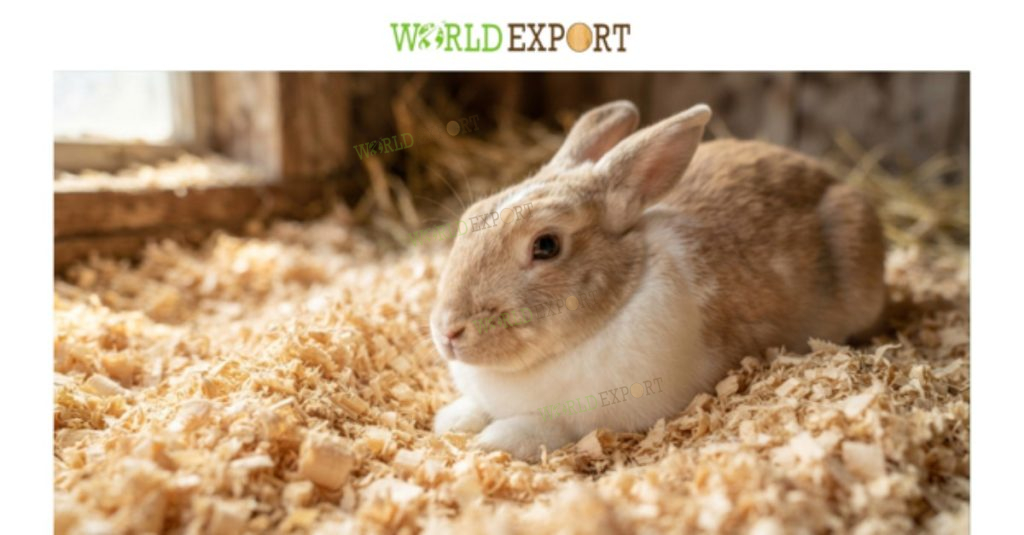
La solution commerciale n'est pas d'abandonner le pin, mais d'exiger un traitement. Les deux sous-sections suivantes abordent les fondements techniques de cette exigence et les contrôles de fabrication nécessaires pour garantir la sécurité du traitement.
1. Le débat sur le phénol : copeaux de pin pour les lapins ou bois non traité
La distinction entre bois résineux sûr et dangereux repose sur des facteurs biochimiques. Les hydrocarbures aromatiques et les composés organiques volatils concentrés dans le pin et le cèdre bruts sont les agents toxiques ; le séchage au four réduit considérablement leur concentration. Le guide du National Institutes of Health relatif aux animaux de laboratoire indique que “ les traitements thermiques appliqués avant l’utilisation de la litière permettent de réduire la concentration d’hydrocarbures aromatiques ”, et des études contrôlées (Wade et al.) ont démontré que l’extraction des composés phénoliques actifs du cèdre élimine la réponse métabolique chez la souris.
Copeaux de pin de qualité commerciale pour lapins Le bois doit donc être séché au four selon un programme de température et de temps contrôlé. Le séchage industriel du bois résineux à des températures de bulbe sec comprises entre 82 et 116 °C (180–240 °F) pendant des temps de maintien prolongés permet d'évaporer les composés organiques volatils responsables des émissions de phénol tout en stabilisant le taux d'humidité. Pour les contrats interentreprises (B2B), cela signifie que le cahier des charges doit exiger du pin séché au four – et non du pin séché à l'air, non “ assaisonné ”, et jamais du bois brut issu d'une scierie. Certains organismes de protection animale recommandent encore le papier ou le tremble comme bois de premier choix pour les installations particulièrement sensibles destinées aux lapins, et les acheteurs ciblant ce segment de marché doivent adapter leurs stocks en conséquence.
>> En savoir plus : Les principaux avantages de l'utilisation de copeaux de bois comme litière pour animaux
2. Risques d'ingestion : Les lapins peuvent-ils manger des copeaux de bois ?
Les lapins grignotent tout ce qui se trouve dans leur enclos, et les acheteurs demandent souvent si l'ingestion de copeaux présente un risque d'occlusion intestinale. Du point de vue de la fabrication, la réponse réside dans deux variables maîtrisables : taille des flocons et pureté des matériaux. Les gros flocons uniformes sont difficiles à ingérer en quantité problématique pour un lapin et leur passage dans le tube digestif est perturbé par une accumulation. Ce sont les particules microfines — des particules de bois en poudre de moins d'un millimètre — qui provoquent une occlusion intestinale et des risques respiratoires.
C’est pourquoi l’étape de tamisage en plusieurs étapes lors du broyage est indispensable. Les cribles rotatifs industriels et les séparateurs cycloniques éliminent les particules fines après le rabotage, de sorte que le produit fini mis en balles est un flocon calibré avec un pourcentage de fines contrôlé. Les protocoles d’assurance qualité d’une usine compétente analysent la teneur en fines par lot, en mesurant le poids, et les acheteurs doivent spécifier une limite maximale dans le contrat – généralement bien inférieure à la teneur en microparticules 1–2%. Si un fournisseur ne peut pas démontrer le fonctionnement de sa ligne de tamisage et fournir des données sur la teneur en fines par lot, le produit n’est pas commercialisable et sans danger pour les lapins, quel que soit son prix.
Spécifications techniques pour la fabrication des meilleurs copeaux de bois pour lapins
La matrice de spécifications d'usine ci-dessous est conçue comme une liste de contrôle que les acheteurs peuvent intégrer directement dans les contrats commerciaux ou les bons de commande. Elle recense les trois paramètres qui distinguent les options viables. meilleurs copeaux de bois pour les lapins produit issu d'un produit inutilisable.
| Paramètre technique | Norme d'exportation optimale | Méthode d'assurance qualité | Impact commercial pour l'acheteur |
| Extraction de poussière | Rapport de microparticules <1–2% ; un criblage en plusieurs étapes est nécessaire | Dépoussiéreurs cycloniques industriels et cribles rotatifs avec tests par lots du pourcentage de fines | Réduit les plaintes des consommateurs concernant les problèmes respiratoires des lapins ; assure la conformité aux normes strictes de vente au détail de l'UE et des États-Unis. |
| Teneur en humidité (MC) | Strictement maintenu entre 8% et 12% | Contrôles continus par humidimètres électroniques et tests de séchage à l'étuve en laboratoire (ASTM D4442) avant la mise en balles | Prévient les risques de moisissures, de mildiou, d'échauffement spontané et de combustion pendant le transport maritime de 30 à 45 jours |
| Taille des flocons | Catégorisation claire : micro-paillettes vs. grosses paillettes | Traités et triés par des systèmes de tamisage industriels standard | Détermine directement l'absorption du produit et les rapports volume/poids, ce qui influe sur l'efficacité du chargement des conteneurs. |
Logistique de la chaîne d'approvisionnement mondiale et conformité à l'exportation
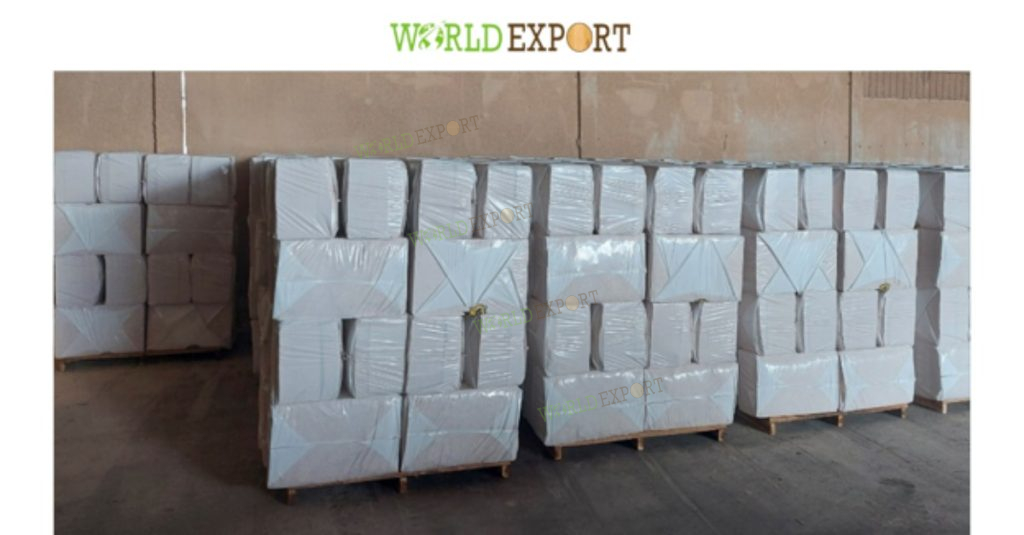
Un scénario anonymisé illustre le coût d'une non-conformité. Un conteneur de copeaux en vrac arrive dans un port américain sans certificat phytosanitaire valide délivré par l'organisme national de protection des végétaux du pays exportateur. L'USDA APHIS émet une notification d'intervention d'urgence. L'importateur a le choix entre sécuriser la cargaison sous la supervision d'un agent agricole, détruire le produit non conforme à ses frais, ou le réexporter à ses frais (procédure EAN de l'APHIS). Ces trois options entraînent des frais de surestaries qui s'accumulent quotidiennement. La liste de contrôle suivante permet d'éviter ces conséquences.
- Certification phytosanitaire et conformité à la norme ISPM 15. Les expéditions de copeaux de bois en vrac (code 100%) doivent être accompagnées d'un certificat phytosanitaire délivré par l'autorité phytosanitaire du pays exportateur. Les palettes et les matériaux de calage en bois doivent en outre porter la marque NIMP 15 attestant d'un traitement thermique (température à cœur minimale de 56 °C pendant 30 minutes) ou d'une fumigation agréée. Ces documents sont non substituables ; un marquage de conformité ne remplace pas un certificat phytosanitaire, et inversement.
- Taux de compression des balles et efficacité de chargement des conteneurs. Les copeaux de bois non compressés sont transportés sous forme d'air à une densité d'environ 60 kg/m³. Un conteneur High Cube de 40 pieds possède un volume interne d'environ 76 m³, ce qui signifie que les copeaux non compressés ne permettraient de charger que 4,5 tonnes environ par conteneur, bien en deçà de sa capacité de charge utile d'environ 28 tonnes. Une presse hydraulique à balles, avec un taux de compression de 3:1, augmente la densité du matériau à environ 180 kg/m³, permettant ainsi de charger 13 à 14 tonnes par conteneur. Les acheteurs doivent spécifier dans leur bon de commande un produit en balles avec une charge utile cible de plus de 20 tonnes par conteneur High Cube de 40 pieds ; chaque tonne supplémentaire par conteneur représente une réduction directe du coût unitaire à l'arrivée.
- Comprendre les Incoterms et la volatilité du fret. Pour les sous-produits agricoles volumineux à faible marge, le choix entre FOB (Franco à bord), CIF (Coût, assurance et fret) et DDP (Rendu droits acquittés) influence la structure des coûts et l'exposition aux risques. Le FOB offre à l'acheteur un contrôle maximal sur les tarifs de fret maritime et le choix du transporteur, mais exige des relations établies avec un transitaire. Le CIF simplifie les opérations de chargement, mais son assurance obligatoire ne couvre que les clauses C de l'Institute for Industrial and Industrial Transport Clauses (IIIC) – un niveau minimal qui exclut de nombreux sinistres maritimes courants pour les marchandises sensibles à l'humidité. Le DDP transfère toutes les formalités de dédouanement à l'importation et la livraison terrestre au vendeur, ce qui est pratique, mais expose ce dernier à des procédures douanières inconnues et est rarement proposé à des tarifs compétitifs pour cette catégorie de produits. Les acheteurs devraient structurer leurs clauses d'assurance maritime afin de compléter la couverture CIF par une protection tous risques contre les dommages causés par l'humidité et les moisissures.
Considérations commerciales et sélection des fournisseurs
Audit d'un partenaire de fabrication international pour Rabbit et copeaux de bois L'approvisionnement exige bien plus qu'une simple fiche technique. Un fournisseur qualifié doit démontrer une capacité de production vérifiable, une traçabilité complète, une solidité financière suffisante pour honorer ses engagements de volume et un historique de dédouanement sans encombre sur les marchés cibles de l'acheteur. Les deux sous-sections ci-dessous abordent les questions de certification et de choix des matériaux qui influencent la décision d'achat finale.
1. Évaluation des certifications de durabilité FSC et PEFC
Les labels FSC (Forest Stewardship Council) et PEFC (Programme for the Endorsement of Forest Certification) sont de plus en plus souvent indispensables pour accéder aux chaînes de distribution européennes et nord-américaines. Ces deux systèmes garantissent que le bois provient de forêts gérées durablement et exigent un certificat de traçabilité valide, détenu par chaque acteur de la chaîne d'approvisionnement, de la forêt à l'entrepôt.
Pour qu'un fournisseur puisse légalement apposer un label FSC ou PEFC sur un emballage, il doit être titulaire d'un certificat de conformité (CoC) valide délivré par un organisme tiers accrédité. Demandez le numéro de certificat et vérifiez-le dans la base de données publique FSC ou PEFC. Les données de la distribution montrent que les produits certifiés bénéficient d'une prime de prix significative et que le risque de retrait des produits par les distributeurs pour des raisons de développement durable est réduit.
2. Analyse des alternatives aux copeaux de bois pour les lapins
Les acheteurs évaluent le alternative aux copeaux de bois pour les lapins Ils sont confrontés à un compromis tripartite entre capacité d'absorption, coût et fiabilité de la chaîne d'approvisionnement. Le tableau ci-dessous résume les réalités commerciales.
| Matériel | Capacité d'absorption (× poids propre) | Coût relatif par tonne | Disponibilité des stocks | volatilité des matières premières |
| Copeaux de pin séchés au four | 2× | Faible (niveau de base) | Haut — offre mondiale établie | Modéré (exposé à la dynamique des tarifs douaniers américains et chinois sur le bois d'œuvre) |
| chènevotte | 4× | 2 à 3 fois plus de copeaux de bois | En croissance, mais concentrée chez les producteurs américains et européens | Faible à modérée (superficie limitée mais en expansion) |
| Litière en papier recyclé | 1–1.5× | Modéré | Élevé — matières premières post-consommation abondantes | Faible |
| Granulés de bois | 3× | ~2× copeaux de bois | Haut | Identique aux copeaux |
Les copeaux de bois restent le matériau dominant sur le marché de la litière pour lapins, tant en termes de coût à la tonne que de fiabilité d'approvisionnement. Les acheteurs du secteur de l'élevage de lapins utilisant des copeaux de bois proposent de plus en plus deux gammes : le pin séché au four, qui constitue le volume principal de copeaux, et le chanvre ou le papier, une option plus respectueuse du bien-être animal. Le chanvre est l'alternative dont la croissance est la plus rapide, mais son prix reste un facteur limitant ; la litière en papier convient aux commerces de détail à forte rotation, mais nécessite un remplacement plus fréquent.
FAQ B2B
1. Peut-on mettre directement des copeaux de bois provenant d'une scierie dans une cage à lapin ?
Non. Les copeaux de scierie bruts ne bénéficient pas des traitements d'extraction de poussière, de séchage en étuve et de lutte antiparasitaire requis pour la litière animale. Le pourcentage de fines est incontrôlé, la teneur en phénols du bois résineux non traité demeure toxique et le taux d'humidité est suffisamment variable pour favoriser l'apparition de moisissures dans les emballages. Les détaillants qui commercialisent des produits de scierie bruts s'exposent immédiatement à des plaintes de consommateurs et à des poursuites en responsabilité du fait des produits.
2. Les copeaux de bois sont-ils une meilleure option pour les lapins que la litière en papier ?
Pour les éleveurs commerciaux et les grossistes, les copeaux de pin séchés au four offrent environ deux fois plus d'absorption que la litière de papier recyclé, à un coût par tonne inférieur, tout en assurant un meilleur contrôle de l'ammoniac. La litière de papier présente l'avantage d'être moins poussiéreuse et séduit les détaillants soucieux du bien-être animal. De nombreux grossistes proposent désormais les deux types de litière, positionnant le pin séché au four comme produit de base et le papier comme produit haut de gamme destiné aux animaux sensibles.
3. Puis-je utiliser des copeaux de bois non séchés comme litière pour mes lapins ?
Non, et pour les grossistes, cela pose un problème de responsabilité. Les copeaux de résineux non séchés conservent la charge d'hydrocarbures aromatiques qui, selon la littérature vétérinaire, provoque des irritations respiratoires et une élévation des enzymes hépatiques. Vendre des copeaux de pin ou de cèdre non séchés comme litière pour lapins expose le détaillant à des réclamations en responsabilité du fait des produits et à l'examen des organisations de protection animale.2)
Approvisionnement en copeaux de bois pour lapins auprès de fabricants vietnamiens
Le Vietnam s'est imposé comme une source compétitive de copeaux de bois de pin séchés au four répondant aux normes internationales d'exportation. Exportations mondiales Nous produisons des copeaux de pin 100% (1–15 mm) avec une teneur en humidité maximale de 12%, un tamisage sans poussière et une teneur maximale en matières étrangères de 0,5% – un profil de spécifications conforme aux exigences des litières commerciales pour petits animaux. Un rapport d'analyse de salmonelle est disponible sur demande. Pour les acheteurs souhaitant s'approvisionner au Vietnam, consultez la page produit « Cocopeaux de pin » ou contactez-nous pour obtenir un devis FOB, des échantillons et les documents d'exportation.
SOCIÉTÉ D'EXPORTATION MONDIALE LIMITÉE
No. 35, rue 12, quartier résidentiel Van Phuc 1, quartier 5, quartier Hiep Binh, Hô Chi Minh-Ville, Vietnam
Tél / Whatsapp / Kakaotalk : +84 932 632 317
E-mail: supportwe@worldexport.com.vn
YouTube : https://www.youtube.com/@WorldExportVN