






Selecting the right bedding for Dairy Cows is more than just a material choice; it’s a critical decision that directly impacts their welfare and productivity. Factors like cost, availability, barn design, and the comfort of your dairy cows are key to their health, milk yield, and overall behavior. By carefully considering each aspect, you can create an optimal environment that reflects a commitment to herd health, enhancing the efficiency and sustainability of your farm.
The Ideal Characteristics of Bedding
Two primary factors drive the selection of good bedding: cow comfort and farmer convenience.
For the Dairy Cows:
- Comfort: This is paramount, as cows need to spend a significant portion of their day lying down to convert feed into milk. The bedding must feel good to lie on.
- Uniform Support: As large animals, cows require bedding that provides even support for their bodies.
- Temperature: The bedding should stay cool in the summer and warm in the winter to keep the cows comfortable.
- Dryness: A dry bed is essential for comfort and for minimizing the growth of pathogens.
- Safety: The surface must be non-abrasive and provide good traction to prevent injuries.
For the Farmer:
The bedding should be cost-effective, labor-efficient, and have good drainage to keep cows dry and limit pathogen growth.

How Dairy Barn Design Influences Bedding Choices
Various dairy barn layouts exist, and each design influences the choice of dairy cows bedding.
- Open Style Barns (Bedded Pack): In this setup, cows are free to move and lie down wherever they choose. The feed and water areas are typically separate and concreted.
- Individual Stalls:
- Tie Stalls: Each cow is tethered in an individual stall. Feed and water are provided at each stall.
- Free Stalls: Cows can move around the barn, but the barn is divided into individual stalls where cows can stand or lie. Cows move to common areas for feed and water.
Specific Bedding Choices (in alphabetical order)
Compost
Compost is often used as bedding in open-style barns. Its advantage is its ability to move with the animal, which helps reduce pressure points and hock lesions, conforming to the cow’s natural movements. However, this bedding can release high levels of ammonia, requiring a robust ventilation system. Additionally, the compost must be sufficiently aerated to prevent moisture and pathogen growth, demanding diligent management and maintenance.

Paper
Paper can be an inexpensive option if available near paper mills. Shredded recycled newspaper has also been used and can be mixed effectively with other bedding materials. The fineness of the paper shred will influence the bedding’s properties.
Rubber Stall Mats
Rubber mats and mattresses are a practical choice due to their insulating properties and the comfort they provide. They retain heat well in cold weather. The thickness and cushioning effect of rubber mats create a softer standing and lying surface than concrete. This not only increases comfort but also helps reduce the incidence of leg injuries, supporting long-term herd health. However, daily cleaning is necessary to prevent the buildup of manure and urine, which can harbor bacteria.
Sand
Sand can be an excellent bedding choice, with a recommended depth of 6-8 inches in tie stalls or free stalls. As an inorganic material, it does not tend to promote pathogen growth. Particle size is critical: particles that are too fine will retain water, while large particles (>3mm) will be uncomfortable to lie on. Natural sand with rounded edges is more comfortable than man-made sand crushed from rock. The main disadvantage of sand is its handling. In liquid manure systems, the sand must be settled out and removed.
Sawdust and Mixed Wood Shavings
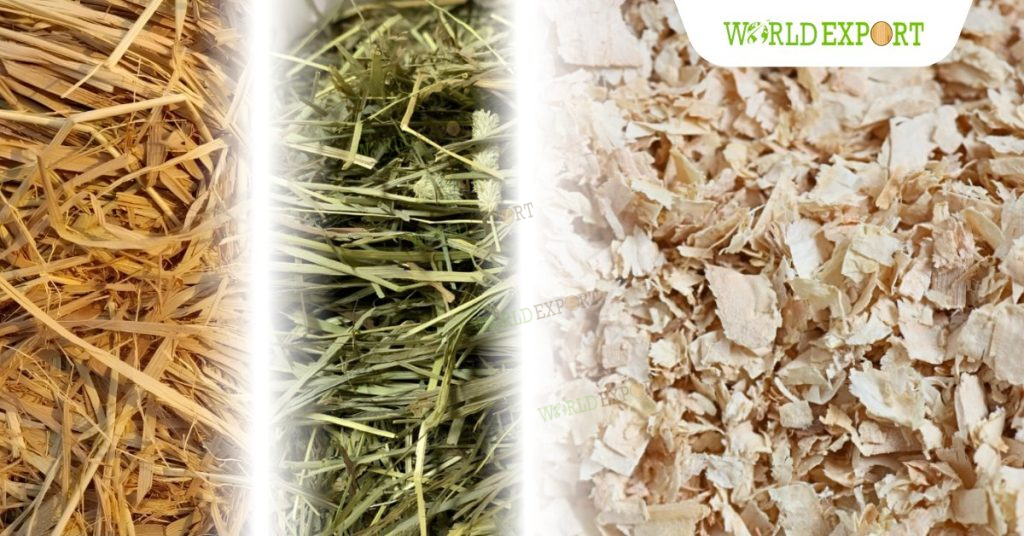
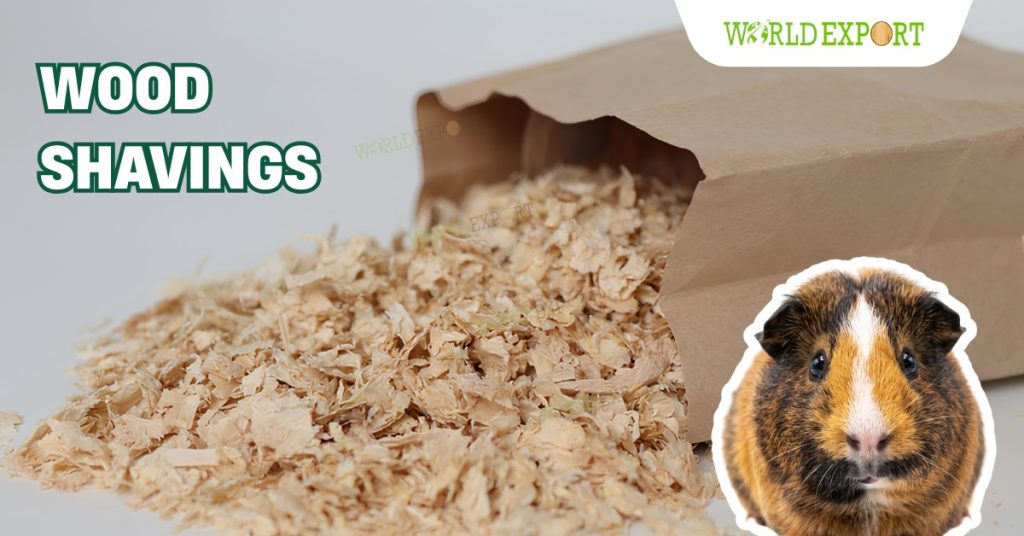
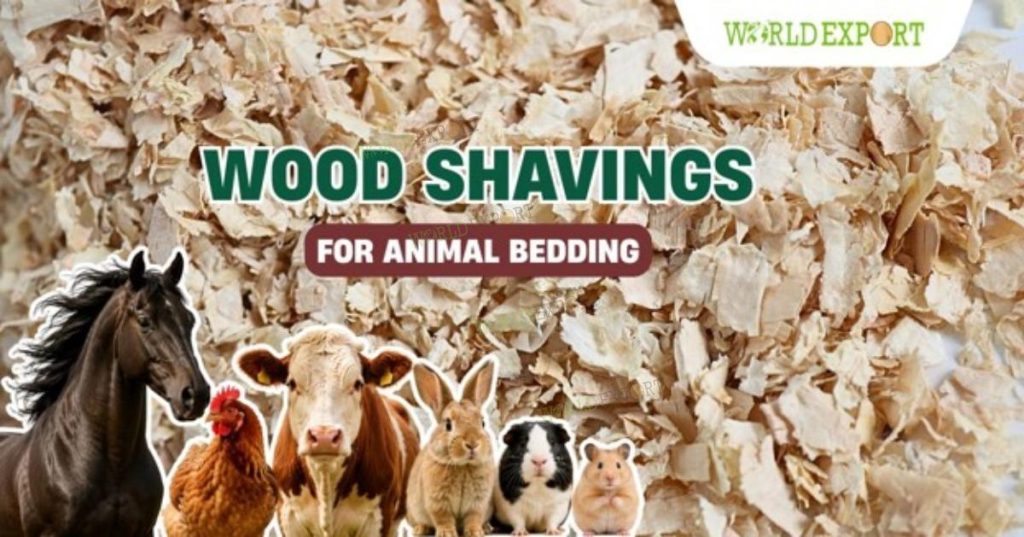
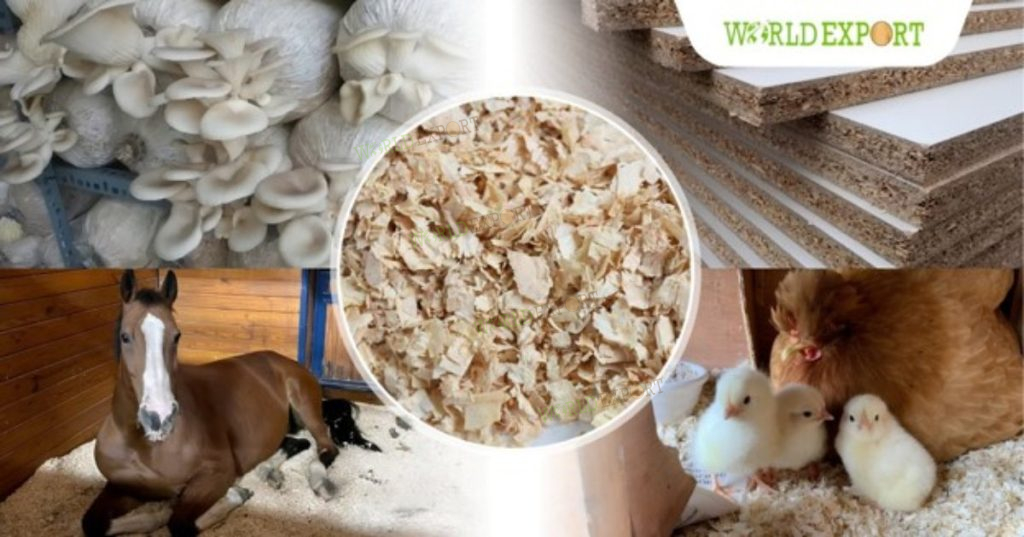
These are perhaps the most commonly used bedding products for dairy cows. They have an advantage over sand in that they can be microbially degraded in handling systems, but the disadvantage is that they allow microbes (pathogens) to grow. Sawdust has a smaller particle size, making it more absorbent and quicker to decompose than shavings. However, the smaller particle size is also associated with a faster growth of bacteria and other harmful pathogens. Cost and availability are often the deciding factors when choosing this material.

For a detailed look at its absorbent properties and benefits, you can learn more about Wood Sawdust. Similarly, understanding the production and advantages of Mixed Wood shavings can help you determine if it’s the right fit for your herd.
Straw
Straw composts well and reduces in volume better than sawdust or shavings. When using straw, it is important that the particle size be small to increase animal comfort and shorten the decomposition time. Absorbency and comfort also vary by plant species and chop size. Straw is an attractive alternative when it is produced on the farm.
Conclusion: Making the Right Choice for Your Farm
Ultimately, the best bedding for cow dairy farm depends on your specific barn design, budget, and operational capacity. Each material offers a unique set of benefits and challenges.
To make the most informed decision, it’s worth diving deeper into the specifics of the most popular options. For a detailed look at its absorbent properties and benefits, you can learn more about wood sawdust. Similarly, understanding the production and advantages of wood shavings can help you determine if it’s the right fit for your herd.
If you’ve decided that high-quality wood-based bedding is the right solution for your dairy farm, look no further than World Export. As a reputable supplier from Vietnam, we provide premium wood sawdust and wood shavings that ensure comfort, cleanliness, and safety for your livestock.
Contact us today to receive a competitive quote and elevate the standard of your dairy operation.
WORLD EXPORT COMPANY LIMITED
No. 35, Street 12, Van Phuc 1 Residential Area, Quarter 5, Hiep Binh Ward, Ho Chi Minh City, Vietnam
Tel / Whatsapp / KakaoTalk: +84 932 632 317
Email: supportwe@worldexport.com.vn
Facebook: https://www.facebook.com/worldexport2017