


Wood Flour for WPC and Industrial Applications
Explore our comprehensive portfolio of sustainably sourced wood and non-wood products. From high-efficiency heating fuels and premium animal bedding to essential manufacturing materials, we deliver consistent, eco-friendly solutions tailored to meet global industry standards.
Production Capacity
Types of products
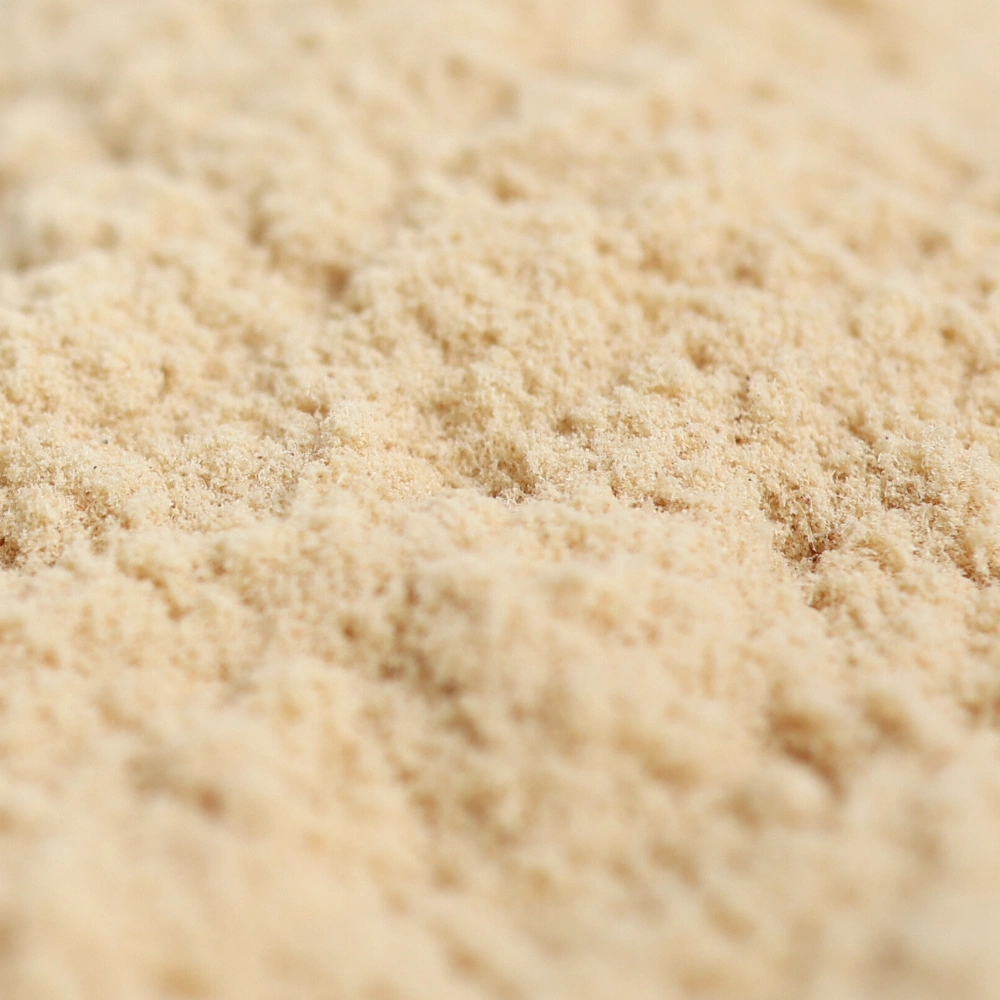
Pine Wood Flour for WPC & Incense
- Wood Type: 100% Pine
- Moisture: Max 10%
- Available Mesh Size: 20 to 80
- Color: Light Brown
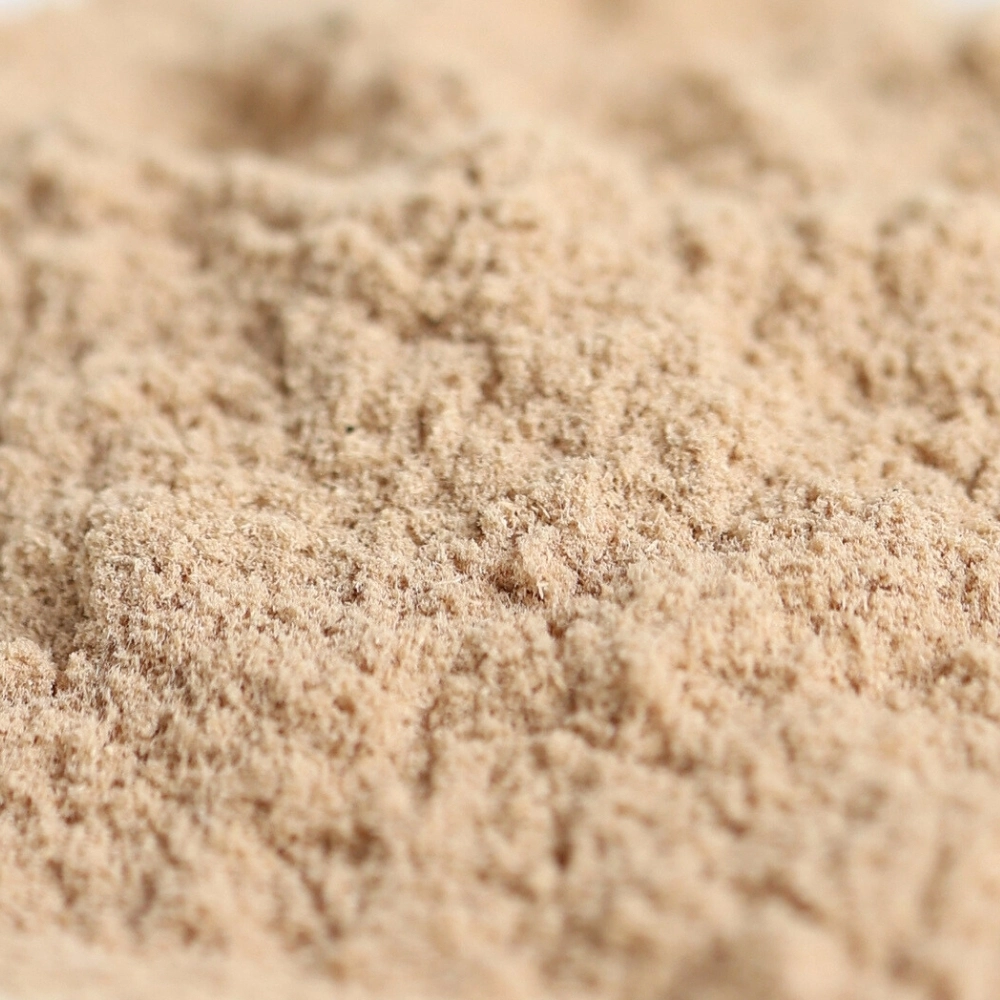
Mixed Wood Flour for WPC & Mosquito Coils
- Wood Type: Pine, Rubber & Acacia
- Moisture: Max 10%
- Available Mesh Size: 20 to 80
- Color: Brown
Wood Flour





Wood flour is wood processed into fine particles for use in manufacturing. Also written as woodflour, it is specified by characteristics such as wood type, particle size and moisture. For industrial buyers, the useful question is which material specification suits the intended process and finished product.
World Export uses “wood powder” in its dedicated product profile and “wood flour” on its website for the same product group. This guide explains how to read those specifications, assess applications and prepare a meaningful wood flour price enquiry.
Wood flour and its role in manufacturing
The technical chapter Wood Flour, by Clemons and Caulfield describes finely divided wood particles and explains that production generally involves size reduction and classification. The term is not a universal specification: buyers still need to define the properties required for their application.
World Export’s wood powder profile identifies wood-plastic composites, incense and selected paper or packaging processes among its applications. These are starting points for material evaluation, rather than a guarantee that one grade will perform equally well in every formulation.
For an initial overview, explore World Export’s wood flour range, then compare the pine and mixed options against your purchasing requirements.
Pine and mixed wood flour specifications
World Export’s dedicated wood powder profile lists the following product characteristics. These describe the product range; the specification and supporting documents for an order should be agreed separately.
| Property | Pine wood flour | Mixed wood flour |
| Wood type | 100% pine | Pine, rubber and acacia |
| Particle size | ≤1 mm | ≤1 mm |
| Moisture | Max 10% | Max 10% |
| Listed mesh options | 20, 60, 80 | 20, 60, 80 |
| Colour | Light brown | Brown |
The pine wood flour page provides a starting point for enquiries requiring pine material. The mixed wood flour page covers the alternative blend. The profile does not specify the proportions of the three woods in the mixed product, so buyers with composition restrictions should state them explicitly.
Shared moisture and mesh descriptions do not make the two products interchangeable. When comparing them, keep the application, sample requirements and acceptance criteria consistent. Use the colour description for initial identification, then agree a sample-based reference if appearance matters to the finished product.
Understand wood flour particle size before selecting a grade
A mesh label needs a defined test method
Mesh descriptions refer to the sieves used to classify material. Different sieve standards may apply internationally, as discussed in the Wood Flour technical chapter. A mesh label should therefore be accompanied by the applicable sieve standard and acceptance criteria.
For an enquiry, ask the supplier to clarify:
- The sieve standard and opening sizes used for the proposed grade.
- The required percentage passing or retained on each relevant sieve.
- Any permitted oversize or fine fraction.
- The sampling and test method used to assess the batch.
World Export’s profile lists ≤1 mm alongside separate mesh options. Treat these as two pieces of product information to clarify in the order specification, not as proof that every particle has one identical size. The listed mesh options should not be converted into a guaranteed micrometre distribution without the relevant test details.
Choose for the process, not simply the finest label
Finer wood flour is not automatically the best choice. The technical literature describes trade-offs between particle size, processing behaviour and finished appearance. The appropriate choice depends on the formulation and production requirements.
A practical evaluation should compare candidate samples under a defined trial plan. Record the material identity, moisture result, size distribution and process settings. Assess the finished product against the same criteria for each candidate. This helps your team decide whether a grade is suitable without relying only on a mesh number.
If the process already uses an approved material, provide its specification or a representative reference sample. Ask the supplier to identify differences in the proposed alternative before testing it on the production line.
Match wood flour to the intended application
Wood-plastic composites
For wood-plastic composite, or WPC, enquiries, identify the polymer system, product type and processing method. A decking profile, moulded component and interior panel may have different acceptance requirements; the enquiry should describe the actual product you intend to make.
Define the trial criteria with your production team. Relevant checks may include feeding behaviour, surface appearance, dimensional consistency and the mechanical properties specified for the finished product. Do not select a material solely because a supplier lists “WPC” as an application.
World Export’s maximum moisture figure of 10% is a product-profile limit. It is not a statement that the flour can enter every polymer-processing line without further preparation. Specify the moisture requirement at the point of use and confirm any preparation needed with your process team.
Incense manufacturing
For incense applications, explain the product format and the intended role of the wood flour in your formulation. State the particle-size and moisture requirements, and identify any restrictions on wood type or appearance.
Evaluate candidate material within the complete formulation. Your acceptance plan can include shaping consistency, drying behaviour and finished-product performance. Wood flour selection alone does not establish a guaranteed burning duration, fragrance performance or binder requirement.
Selected paper and packaging processes
World Export’s profile describes wood powder as a supplementary material or functional filler for selected paper and packaging applications. It should not be presented as a universal replacement for papermaking pulp.
Before requesting a supply proposal, describe the process, the intended material role and the properties the finished sheet or board must meet. Have the receiving mill establish the trial and acceptance criteria. Any proposed substitution level or performance improvement needs evidence from the relevant formulation and process.
Compare wood flour prices on the same basis
A useful wood flour price comparison starts with a defined specification. The technical literature identifies particle size, order volume, availability and shipping distance as cost considerations. Historical published prices should not be treated as current quotations.
Request offers against the same requirements, using a comparison sheet such as the following:
| Quotation item | Information to align |
| Material | Pine or mixed wood; any composition restrictions |
| Particle size | Mesh option, sieve method and acceptance limits |
| Moisture | Agreed limit and reporting basis |
| Quantity | Trial volume and expected repeat orders, in metric tonnes |
| Packaging | Bag type, net weight and pallet requirements |
| Delivery | Named port or destination, delivery terms and requested period |
| Documentation | Required test reports, inspection or traceability documents |
| Commercial scope | Currency, price validity and included or excluded charges |
World Export’s profile includes jumbo bags and smaller bag formats. Confirm the specific packaging arrangement for the proposed grade and shipment. Bag weights, compression, palletisation and container payload should be agreed in the quotation rather than inferred from a general product description.
If one offer is lower, first check whether it covers the same material, packaging, inspection and delivery scope. This gives procurement and production teams a clearer basis for deciding whether the difference represents a suitable alternative.
Prepare the technical and receiving requirements
Request a specification sheet and, where required, a certificate of analysis, or CoA, for the proposed material. Check the sample or batch identification, test date, methods and results. Agree which properties will be checked before shipment and which will be assessed on receipt.
Keep the sample evaluation linked to repeat purchasing. Record the approved specification, the reference sample where relevant and the process for reviewing changes in raw material or grade. An accepted sample is useful only when the subsequent order is clearly tied to the agreed requirements.
Include handling requirements in the receiving plan. OSHA’s wood-dust guidance identifies health hazards from exposure and fire or explosion hazards from significant accumulations of fine wood dust. Ask your site’s safety team to assess the material, handling equipment and applicable local requirements before use; “natural wood” does not remove the need for dust controls.
Questions buyers often ask
Are wood flour and wood powder different products?
Within World Export’s current product information, the two terms refer to the same group. Across suppliers, compare the actual material description and specification rather than assuming that matching names guarantee equivalent products.
Can I order by mesh number alone?
A mesh number is a starting point. Add the wood type, moisture limit, sieve standard and relevant passing or retained percentages. Include the intended application so that the proposed grade can be evaluated against your requirements.
Is the lowest quoted price the lowest cost option?
Only compare prices after aligning the supply scope. A different grade, packaging arrangement or delivery basis may explain the price difference. Assess any proposed alternative against the material and commercial requirements of your operation.
Discuss your wood flour requirements with World Export
Choose wood flour by matching the material specification to the process, then confirm performance through an appropriate evaluation. This connects the mesh description and product profile to a clear purchasing decision.
To request a supply discussion, contact World Export or email supportwe@worldexport.com.vn. Include your application, preferred wood type, particle-size and moisture requirements, estimated volume, packaging preference, destination and requested delivery period. These details provide the basis for reviewing a suitable product and preparing an order-specific quotation.
RFQ Form
products and services tailored to your needs.
Please fill out the form and our team will get back to you shortly.
We look forward to building a successful partnership with you.
Fields marked with (*) are required.