


Wood Pellets for Heating and Animal Bedding
Explore our comprehensive portfolio of sustainably sourced wood and non-wood products. From high-efficiency heating fuels and premium animal bedding to essential manufacturing materials, we deliver consistent, eco-friendly solutions tailored to meet global industry standards.
Production Capacity
Types of products
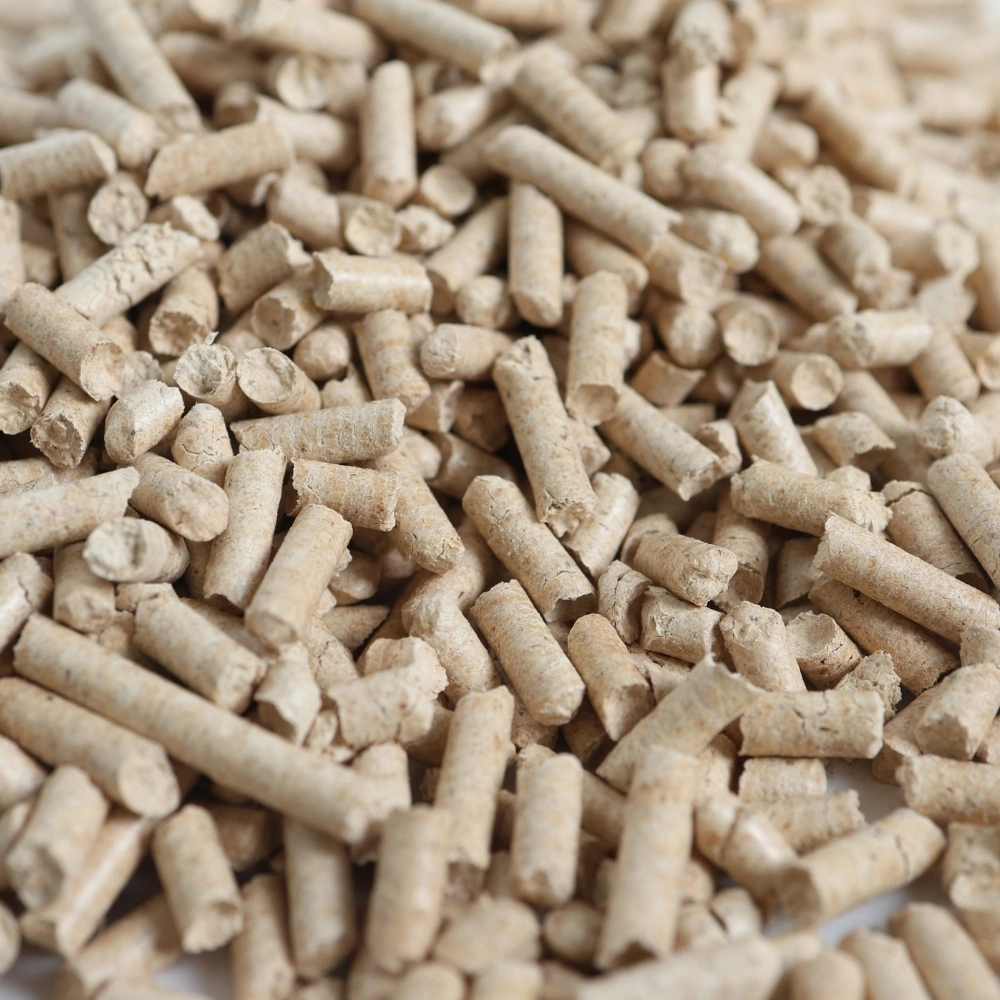
Premium Pine Pellets for Bedding
- Length: 6–12 mm
- Diameter: 6–8 mm
- Wood Type: 100% Pine
- Moisture: ≤ 12%
- Powder & Foreign Matter: 0%
- Ash: ≤ 3.0%
- Density: ≥ 600 kg/m³
- Color: Yellow

Biomass Wood Pellets for Boilers
- Length: ≤ 32 mm
- Diameter: 6–8 mm
- Wood Type: Acacia, Pine, Rubber
- Moisture: ≤ 10%
- Powder & Foreign Matter: 0%
- Ash: ≤ 3.0%
- Density: ≥ 600 kg/m³
- Color: Brown
Wood Pellets






Wood pellets are compressed wood particles formed into small cylinders. For a business buyer, selecting them starts with the intended application, the required specification and the evidence supporting the proposed supply. A product name or an attractive sample is only the beginning of that assessment.
This guide explains how to compare wood pellets, distinguish fuel enquiries from bedding enquiries and prepare a request for quotation that suppliers can evaluate. World Export’s published product information provides concrete examples of the differences buyers should check.
Start with the application and purchasing requirements
Before comparing suppliers, define what the pellets must do in your operation. An industrial boiler operator needs a fuel specification accepted by the equipment provider. A distributor needs requirements aligned with the products and claims it intends to sell. A bedding buyer needs an assessment focused on the intended animal and management conditions.
For fuel wood pellets, begin with the equipment’s accepted fuel type, dimensions and quality requirements. Share those requirements with the supplier instead of assuming that any pellet of the same diameter is interchangeable.
For bedding, make the application explicit at the enquiry stage. Fuel specifications alone do not establish suitability for a particular animal. Similarly, a pellet marketed for bedding should not automatically be selected for a heating appliance.
World Export’s wood pellet range includes pine pellets and biomass wood pellets. Comparing the two product descriptions is a useful first step before requesting an order-specific specification.
Compare World Export’s published pellet specifications
The following figures are published product information, not test results for a shipment or a guarantee that a product meets a named certification scheme. Confirm the specification for the proposed order before purchase.
| Property | Biomass wood pellets | Pine pellets |
| Wood type | Acacia, pine and rubber wood | 100% pine |
| Diameter | 6–8 mm | 6–8 mm |
| Length | ≤32 mm | 6–12 mm |
| Moisture | ≤10% | ≤12% |
| Ash | ≤3.0% | ≤3.0% |
The biomass wood pellets page is the relevant starting point for an industrial fuel enquiry. The pine pellets page describes the pine product, with an emphasis on animal bedding. Any proposed heating use still requires comparison with the receiving equipment’s fuel requirements.
The published ash limits do not establish that either product meets a tighter buyer requirement. If your purchasing specification requires a lower limit, state it clearly and ask for the corresponding technical evidence. Do not substitute a general catalogue figure for an agreed acceptance limit.
Evaluate the specification beyond pellet size
Diameter and length are separate requirements
When requesting 6mm wood pellets or 8mm wood pellets, state the nominal diameter, allowable tolerance and length requirements separately. A diameter description does not define the length distribution or the proportion of broken material.
Ask the equipment provider which dimensions it accepts, then carry those requirements into the enquiry and purchase specification. If the supplier lists a range, clarify which product within that range is being offered. Avoid deciding that a larger or smaller pellet is inherently better without considering the intended system.
Moisture, ash and energy values need a reporting basis
Compare test results on the same basis. An ash result reported on a dry basis and a value reported on another basis should not be treated as directly equivalent. For calorific value, request the unit, whether the result is net or gross, and the moisture basis.
Forest Research’s guidance on woodfuel supply identifies composition, calorific value, ash, contamination and durability as important pellet considerations. It also explains that damp storage can cause pellets to break down and that repeated handling makes durability particularly relevant to imported material.
For procurement, turn those considerations into questions: What is the agreed limit? Which method measures it? When and where is the sample taken? Which document records the result? This makes offers easier to compare and reduces ambiguity when inspecting a delivery.
Ask for fines and durability information
A close-up photograph cannot establish how a consignment will withstand its handling route. Ask for the relevant durability and fines results, together with the sampling point and acceptance method.
Agree whether the specification applies before loading, at delivery or at another defined point. Where a shipment involves several transfers, discuss the inspection arrangements for that route rather than assuming that one sample represents every later stage.
Treat “premium” and “low ash” as claims to verify
Searches for premium wood pellets or low ash wood pellets often lead to products with different specifications. A descriptive phrase alone is not enough to compare them. Ask what numerical limits, quality scheme and supporting records stand behind the claim.
For example, ENplus ST 1001:2022, second edition, Annex A, lists dry-basis ash limits of ≤0.70% for A1, ≤1.20% for A2 and ≤2.00% for B. Those are reference requirements within that scheme; they are not specifications or certification claims for World Export’s products. Meeting one parameter alone does not establish certification.
Use the same evidence-led approach to descriptions such as “white,” “natural” or “organic.” Request the relevant material declaration or supporting documentation instead of treating a colour, adjective or photograph as a quality grade. Where certification is required, identify the exact scheme and verify the certificate holder, scope and current status.
Review the wood pellet factory process and supporting records
World Export’s dedicated pellet profile describes raw-material preparation, size reduction, drying where required, pelletizing, cooling, screening and inspection. It also describes magnetic separation and screening at stages of production and loading.
These process descriptions help buyers frame a supplier review. They should be followed by questions about the proposed product and order:
- Which raw-material specification applies to this supply?
- Which finished-product parameters will be tested and reported?
- How will the shipment or production lot be identified?
- Can the supplier provide a certificate of analysis, or CoA, relevant to the material offered?
- How will sampling, acceptance and any non-conforming result be handled?
A CoA should be reviewed together with its sample identification, date, results and test methods. A report for a different material or an unidentified sample should not be used to accept the proposed shipment without clarification.
Match packaging and delivery arrangements to your operation
World Export’s pellet profile presents plastic bags, jumbo bags, bulk containers and bulk vessel shipments as supply formats. The appropriate arrangement needs to be agreed for the order, including packaging weight, handling requirements and destination facilities.
| Supply format to discuss | Questions for the enquiry |
| Small bags | What net weight, label information and pallet arrangement are required? |
| Jumbo bags | What bag construction, handling equipment and discharge arrangement will be used? |
| Bulk container | How will the receiving site unload and store the material? |
| Bulk vessel | What receiving facilities, transfer arrangements and inspection requirements apply? |
If you need a 50 lb bag of wood pellets, state that exact requirement; do not assume a retail pack size is part of the supplier’s confirmed offer. The same applies to private labels, pallet quantities and container payloads.
Compare quotations using the same product specification, packaging and delivery scope. Request a clear statement of what the offer includes so that a price difference can be assessed alongside the actual supply conditions.
Prepare an RFQ that supports a useful technical response
A request for quotation, or RFQ, is more useful when it connects the intended application with measurable requirements. Include:
- The application and destination market, with the equipment specification where relevant.
- Required wood type, diameter, length and any named fuel grade or certification scheme.
- Acceptance limits and reporting basis for moisture, ash, calorific value and other required parameters.
- Trial quantity and expected repeat demand, expressed separately in metric tonnes.
- Preferred packaging, unloading arrangements and destination port.
- Requested delivery period and the delivery terms you want quoted.
- Required technical documents, sampling arrangements and inspection criteria.
Identify which requirements are mandatory and which can be discussed. Ask the supplier to flag any gap explicitly, so that a proposed alternative is reviewed before an order is agreed.
Questions buyers often ask
Are pine wood pellets automatically suitable for pellet stoves?
Do not assume suitability from the wood species alone. Obtain the stove manufacturer’s fuel requirements and compare them with the exact product specification and supporting documents. A pine bedding product description does not establish heating compatibility.
Does a published specification replace a shipment CoA?
No. A product specification states requirements or describes a product range; a CoA reports results for an identified sample or lot. Review both and agree how the delivered material will be assessed.
Should a trial order use the same requirements as repeat supply?
Use the trial to assess the specification, documentation and handling arrangements you expect for repeat orders. Record any differences explicitly. One accepted trial should not replace agreed acceptance criteria for subsequent deliveries.
Discuss your wood pellet requirements with World Export
Begin with the application, compare the documented specification and agree the acceptance requirements before finalising supply. This gives both the buyer and supplier a clear basis for the technical and commercial discussion.
To discuss suitable options, contact World Export or email supportwe@worldexport.com.vn with your target specifications, estimated volume, packaging preference, destination port and requested delivery period. The team can review your requirements and discuss the proposed order.
RFQ Form
products and services tailored to your needs.
Please fill out the form and our team will get back to you shortly.
We look forward to building a successful partnership with you.
Fields marked with (*) are required.