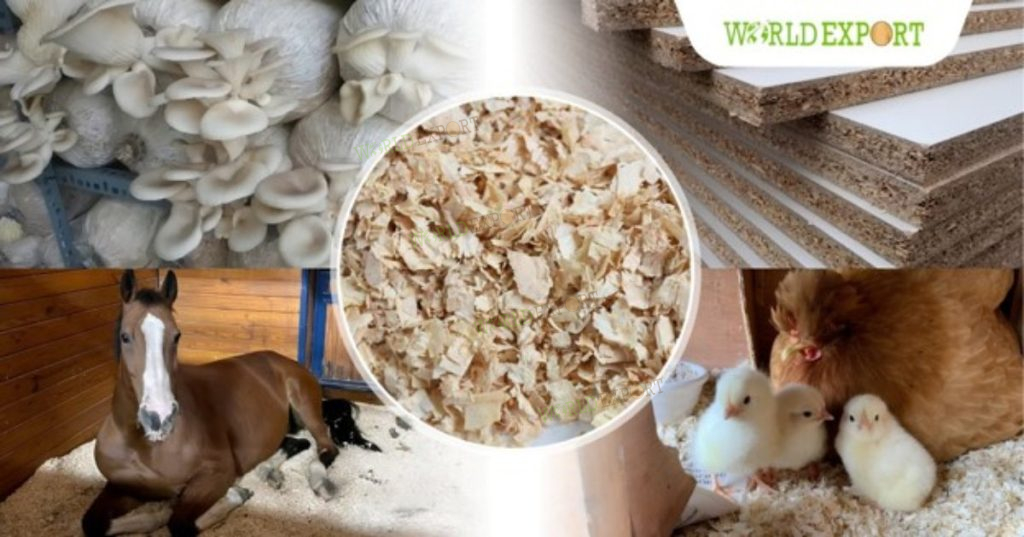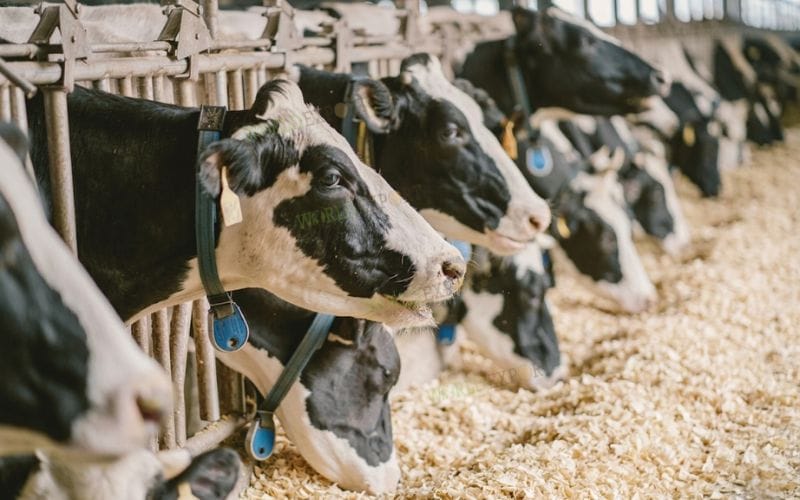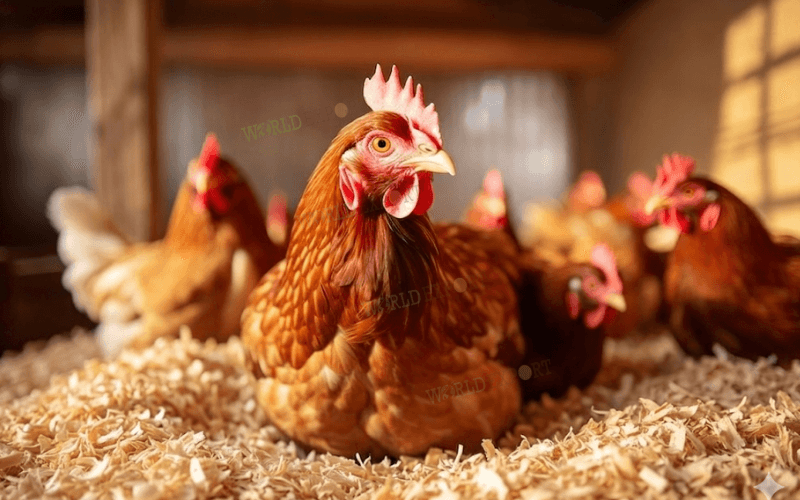



ブロイラー鶏の飼育において、清潔で乾燥した、効果的な敷料の維持に苦労していませんか?多くのブロイラー農家は、湿度管理、アンモニアの蓄積、湿った敷料、そして不適切な敷料管理による高い死亡率といった問題に常に直面しています。まさにこうした理由から、高品質の木屑は、世界中のブロイラー生産において最も人気があり効果的な敷料の一つとなっているのです。.
木屑は数十年にわたり使用されてきましたが、42~45日間のブロイラー飼育サイクルで最適な結果を得るには、正しく使用することが非常に重要です。このガイドでは、木屑の使用方法について、明確で実践的な手順を段階的に説明します。 ブロイラー農場用の木材チップ 効果的に。.
ブロイラーの品質と病理学的リスクを理解する
最高級のブロイラー群は、急速な成長速度だけでなく、飼料効率(FCR)と強固な骨格構造によっても特徴づけられます。しかし、これらの基準を達成するには、遺伝と環境管理の繊細なバランスが求められます。ブロイラーは、コクシジウム症、大腸菌による大腸菌症、慢性呼吸器疾患(CRD)などの衰弱性疾患にかかりやすいことで知られています。.
多くの生産者が見落としている点は、不適切な敷料管理がこれらの疾病発生の主な原因であることが多いということです。適切に管理されていない敷料層は、毒性の強い病原菌の温床となり、過剰なアンモニア放出を引き起こします。このような有害な環境は、鶏の呼吸器系の防御機能を損なうだけでなく、重度の足底皮膚炎を引き起こし、最高品質の鶏であっても遺伝的な潜在能力を事実上無力化してしまうのです。. 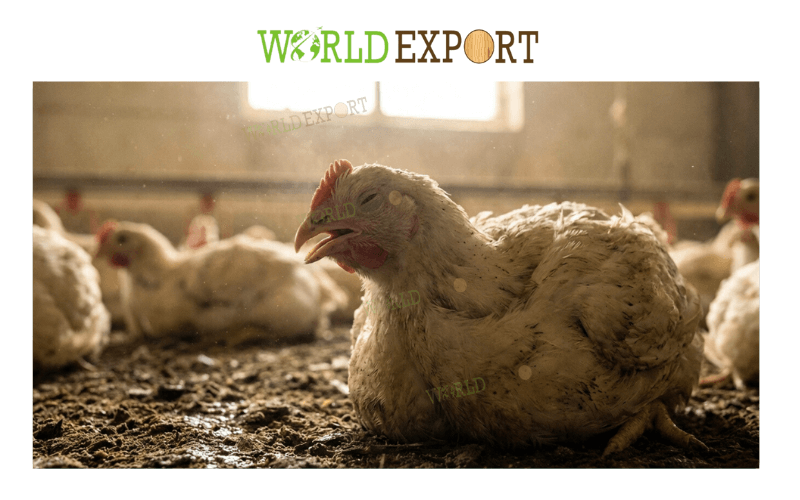
なぜ 木くず ブロイラー鶏舎に最適な敷料はどれですか?
ブロイラーは非常に速く成長し、わずか42~45日で出荷体重に達するため、糞や呼吸によって大量の水分を排出します。この急速な成長は、しばしば敷料の湿潤、固まり、足底皮膚炎(FPD)、高アンモニア濃度、呼吸器系のストレスを引き起こします。.
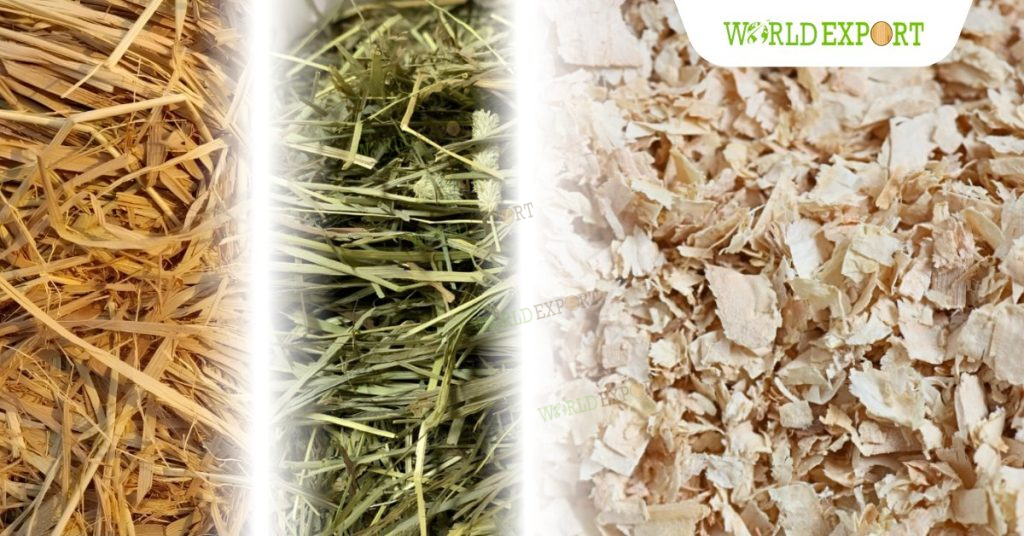
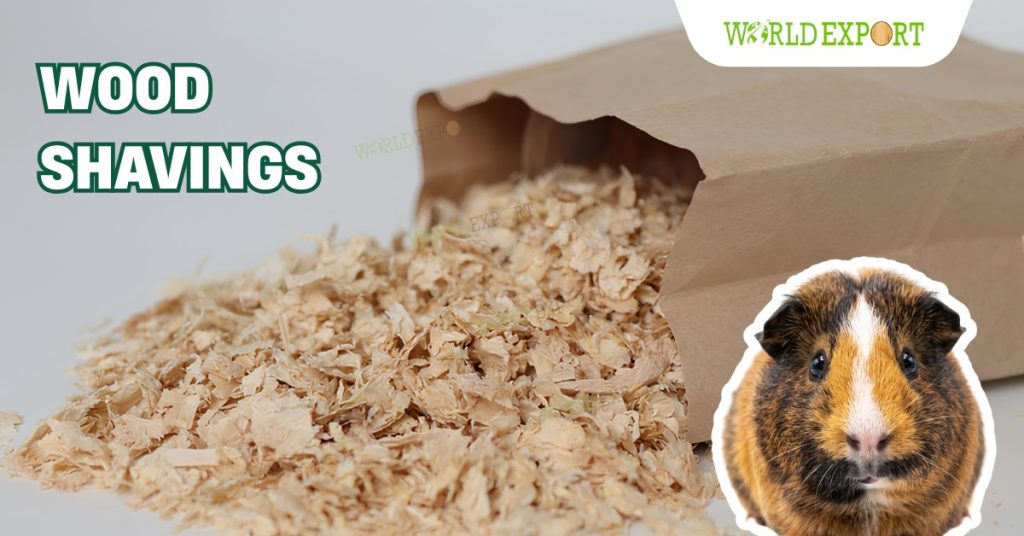
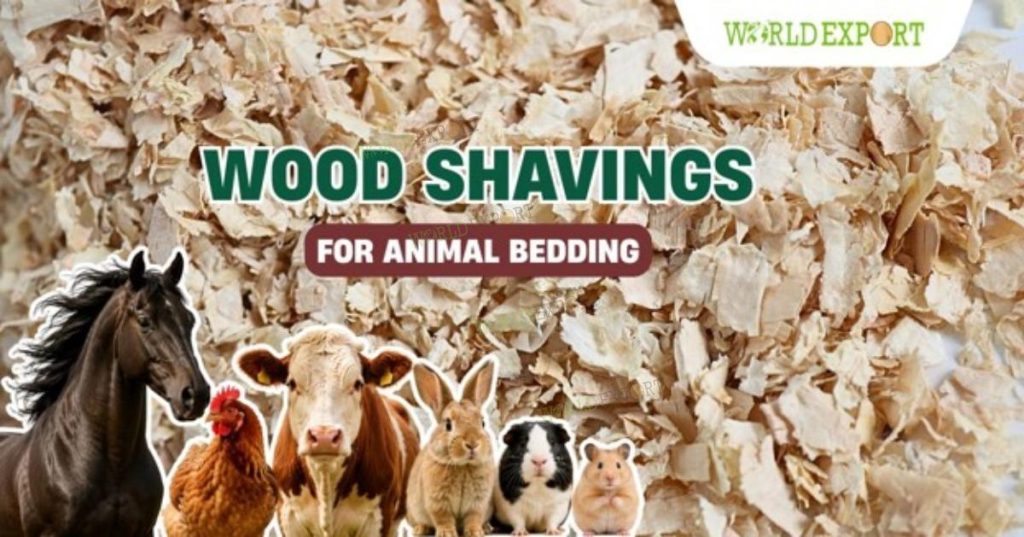
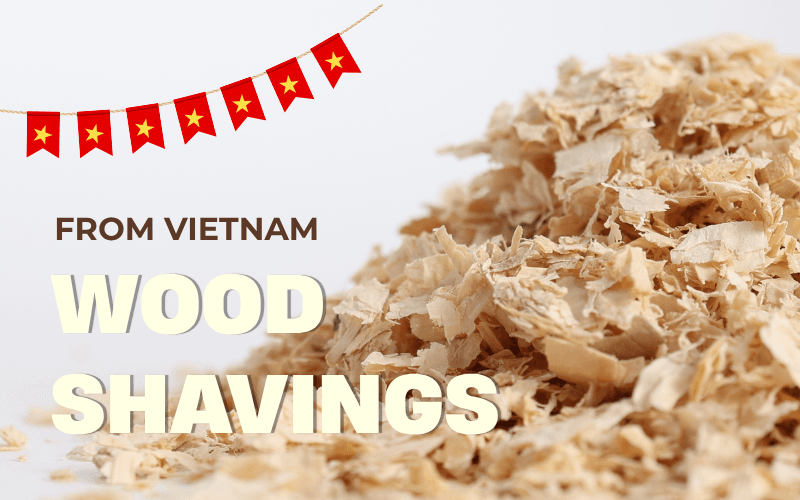
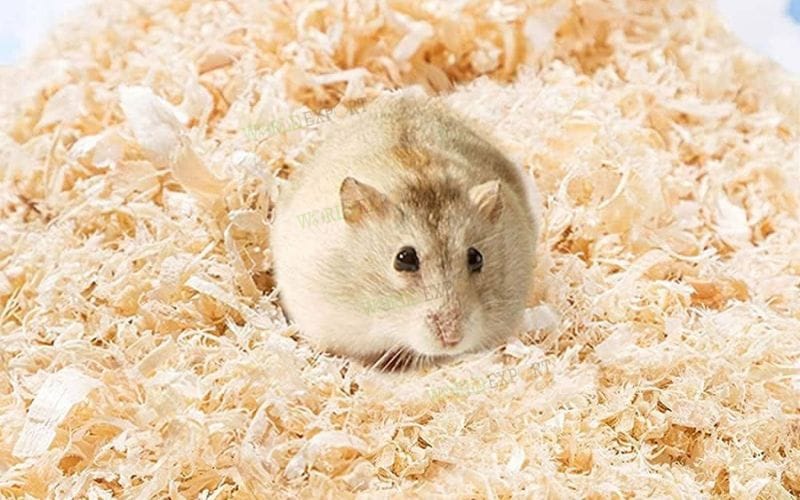
木くず供給 ベトナムで ベトナム産の木屑は、優れた吸湿性、高密度飼育下でも良好な構造維持、粉塵の発生抑制、そしてアンモニアの抑制効果といった特長から、ブロイラー用敷料として最適です。もみ殻、わら、砂などと比較して、長持ちし、疾病リスクを低減し、飼料効率(FCR)を向上させ、生存率を高めます。高温多湿、高温乾燥、または涼しい気候のいずれの環境下でも、プレミアム木屑は鶏群の健康を守り、サイクルごとの利益を最大化するための最も効果的なソリューションの一つです。.
ベトナム産の木屑は、吸水性、耐久性、コスト効率の完璧なバランスを実現しています。最適な粒度、最大12%の水分含有量、そして非常に低い粉塵レベルにより、生産サイクル全体を通して、急速に成長するブロイラーを支える、乾燥した快適で健康的な環境を作り出します。.
ブロイラーの敷料として木屑を使用する方法 – 推奨厚さと使用量
適切な敷料の厚さ ブロイラーの生産性にとって非常に重要です。. 痩せすぎ, そして、猫砂ケーキを素早く。. 厚すぎる, また、空気の流れを阻害し、湿気の保持を増加させます。.
推奨厚さ
- 密閉型/環境制御システム: 成長期には3~5cm(3.6~6.0kg/m²)
- 深い敷料/開放型飼育システム: 7~10cm(8.4~12kg/m²)
実践的な応用手順
- ひよこを入れる前に、鶏舎を徹底的に清掃・消毒してください。.
- 床全体に木くずを均等に敷き詰め、薄い部分ができないようにしてください。.
- 2~3日ごとに猫砂をかき混ぜて、固まった部分をほぐし、通気性を良くしてください。.
- 定期的に水分量を監視してください。目標とする水分量は20%未満に維持してください。「握ってみるテスト」を行ってください。一握りの猫砂は簡単に崩れ、ボール状にならない状態が理想です。.
適切な使用方法により、デリケートな足裏を保護し、足底皮膚炎のリスクを大幅に低減し、製造工程全体を通してアンモニア濃度を抑制します。. 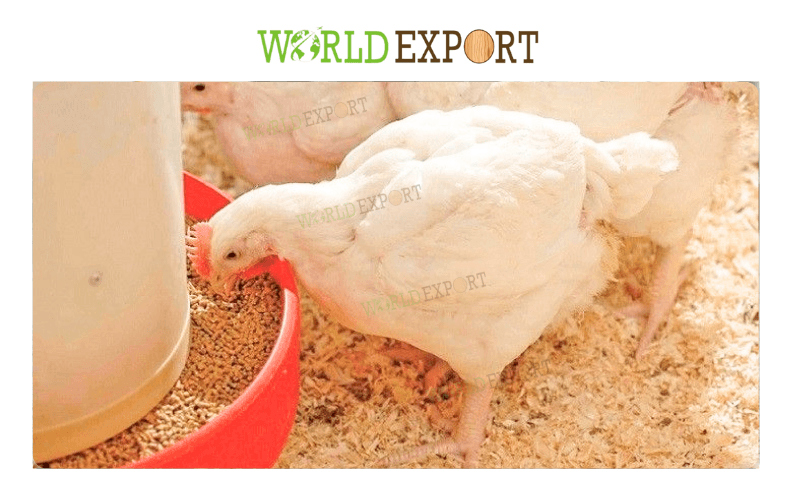
ブロイラー農場では、敷き藁はどのくらいの頻度で交換すべきでしょうか?
木くずは、他の寝具材に比べて非常に耐久性が高い。.
閉鎖型システムでは: 42~45日ごとに寝具をすべて交換してください。.
深い落葉層システムでは: 猫砂をすべて取り除かないでください。2~3日ごとにしっかりとかき混ぜ、必要に応じて2~4週間ごとに1~2cmの猫砂を追加してください。.
補充または交換が必要な兆候
- ケーキ層の厚さが2cm以上
- 家の中に強いアンモニア臭がする
- 敷料の水分量が30%を超える
木くずは籾殻や藁よりも2~3倍長持ちするため、多くの農場では、より良い鶏舎環境を維持しながら、年間敷料コストを30~501トン削減できる。.
ブロイラーに木屑を使用する際のよくある間違いとその回避方法
- 敷材を薄く塗りすぎると、固まりやすくなり、FPD(固定性歯周ポケット)の発生率が高くなります。必ず推奨厚さを守ってください。.
- 湿った削り屑(水分含有量12%以上)や粉塵含有量の多い削り屑を使用すると、粉塵が発生し、呼吸器系の問題を引き起こします。.
- 定期的に敷材をかき混ぜないと、すぐに湿った部分ができてしまう。.
- 化学処理された木材や低品質の木材を選ぶと、鳥の健康を害する可能性があります。.
- 敷料の深さを決める際に、気候条件を無視すること。.
これらの間違いを避けることで、最初の群れから成長率、生存率、敷料の質において顕著な改善が見られるでしょう。.
ブロイラーの健康と生産性に関する主なメリット
ストレスの軽減と快適性の向上
高品質の木屑は、清潔で乾燥した快適な環境を作り出し、ストレスレベルを大幅に低下させます。ストレスが軽減されることで免疫力が強化され、鶏群全体のパフォーマンスが向上します。.
足の健康増進とFPD予防
木材 削りくず ベトナムでの供給 柔らかく乾燥した足場を提供することで、ブロイラー飼育において最も一般的で費用のかかる問題の一つである足底皮膚炎(FPD)の発生率を大幅に低減します。.
病気の感染リスクが低い
木屑は水分を素早く吸収し、速やかに乾燥するため、細菌やウイルスの増殖を抑制し、高密度飼育のブロイラー舎でよく見られる呼吸器疾患やその他の感染症の発生を防ぐのに役立ちます。.
詳細については、こちらをクリックしてください。 ここ. 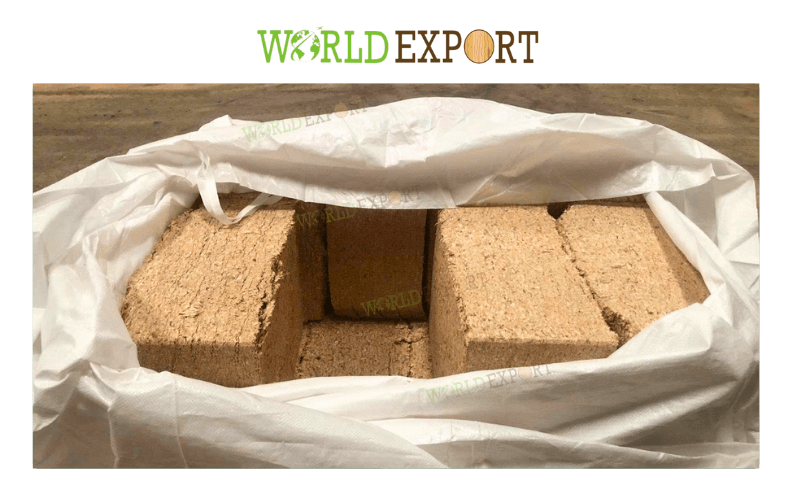
ワールドエクスポート – 信頼できるサプライヤー 木くず ベトナムから
ワールドエクスポートは、ブロイラー用高級木材チップの信頼できる国際サプライヤーです。すべての製品は、水分含有量12%以下、粉末含有量1%以下、異物含有量0.5%以下という厳格な品質管理のもとで製造されています。.
輸出梱包オプション
- ジャンボバッグ: パレット込みで500~600kg。40HCコンテナあたり24トン。1コンテナあたり40~48袋。袋のサイズ:110x110x120。.
- ビニール袋(バルク): 20kg袋;1,200~1,300袋;約20トン/40HC。.
- ビニール袋(パレット): 20kg入り袋;PE包装;40パレット;1コンテナあたり960袋。.
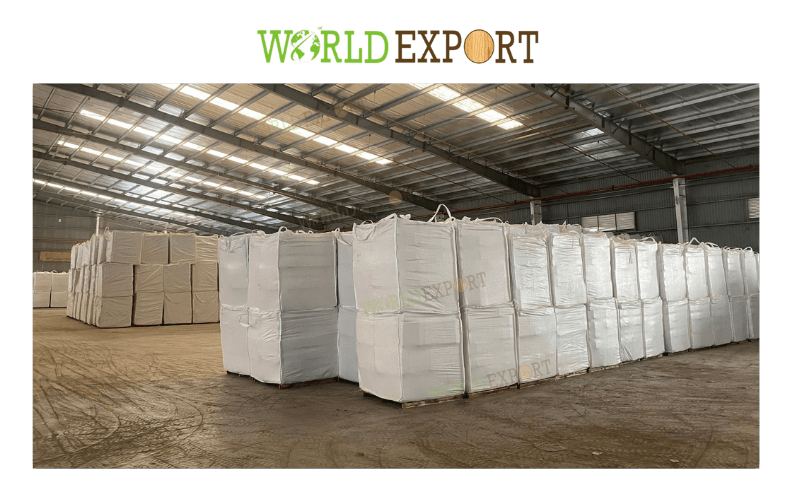
均一な品質を保証するため、当社の木くずはすべて持続可能な方法で管理された森林から調達され、近代的な工場で加工されています。高度な乾燥・選別システムにより、低水分、高い吸水性、そしてバッチごとの一貫した品質が維持されています。.
World Export と提携するということは、持続可能性、信頼性、世界基準を重視するサプライヤーを選択することを意味し、お客様のビジネスに常に安定した高品質の木くずの供給が保証されます。.
無料のお見積もりをご希望の場合は、今すぐお問い合わせください。その他の製品に関するサポートが必要な場合は、お問い合わせいただくか、フォームにご記入ください。 フォーム サポートのため。.
ワールドエクスポートカンパニーリミテッド
No. 35, Street 12, Van Phuc 1 Residential Area, Quarter 5, Hiep Binh Ward, ホーチミン市, ベトナム
電話 / Whatsapp / カカオトーク: +84 932 632 317
メールアドレス: supportwe@worldexport.com.vn