





Maintaining a clean and controlled barn environment is a top priority in Japan’s livestock industry. With strict hygiene regulations and high expectations for meat and dairy quality, Japanese livestock bedding standards are among the most demanding in the world. For farmers, choosing the right bedding material is not just about comfort, it directly impacts animal health, productivity, and long-term profitability.
So how can farms meet these standards effectively? The answer lies in understanding key requirements and selecting materials that deliver consistent performance, especially in humid conditions.
Why Japanese Livestock Bedding Standards Are Strict
Impact on Animal Health and Productivity
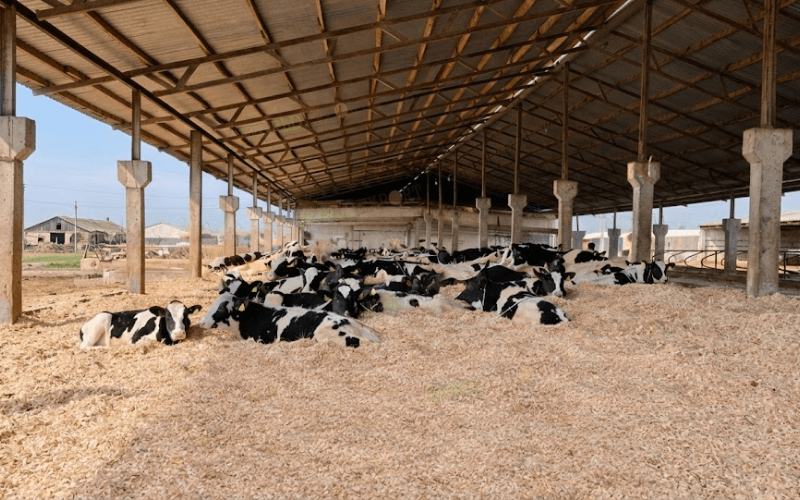
In modern livestock farming, bedding is no longer just a supporting layer. It plays a direct role in maintaining hygiene and preventing disease. Poor bedding conditions can lead to moisture buildup, which creates an ideal environment for bacteria. This increases the risk of infections such as mastitis and respiratory issues.
By following Japanese livestock bedding standards, farms can ensure cleaner living conditions, healthier animals, and more stable production output.
Climate Challenges in Japan Farms
Japan’s climate presents a unique challenge. High humidity levels throughout the year make it difficult to keep barns dry. Without proper bedding, moisture accumulates quickly, leading to unpleasant odors and bacterial growth.
This is why bedding materials used in Japan must have strong moisture control capabilities and consistent quality.
Key Requirements in Japanese Livestock Bedding Standards
Moisture Control and Absorbency
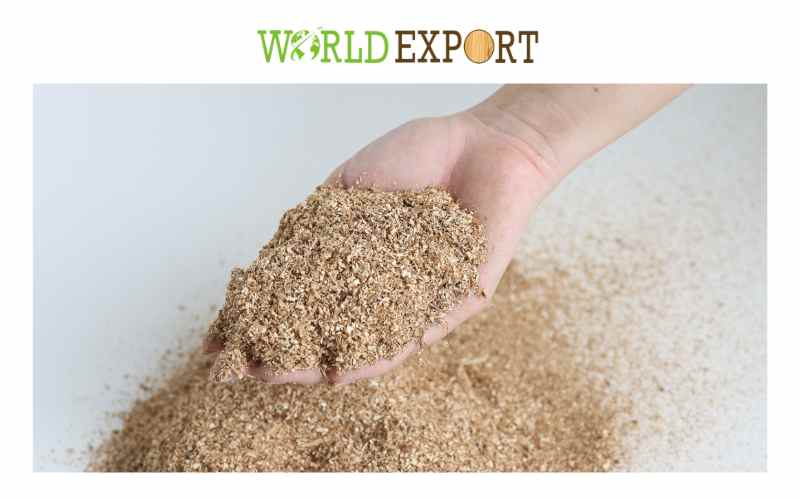
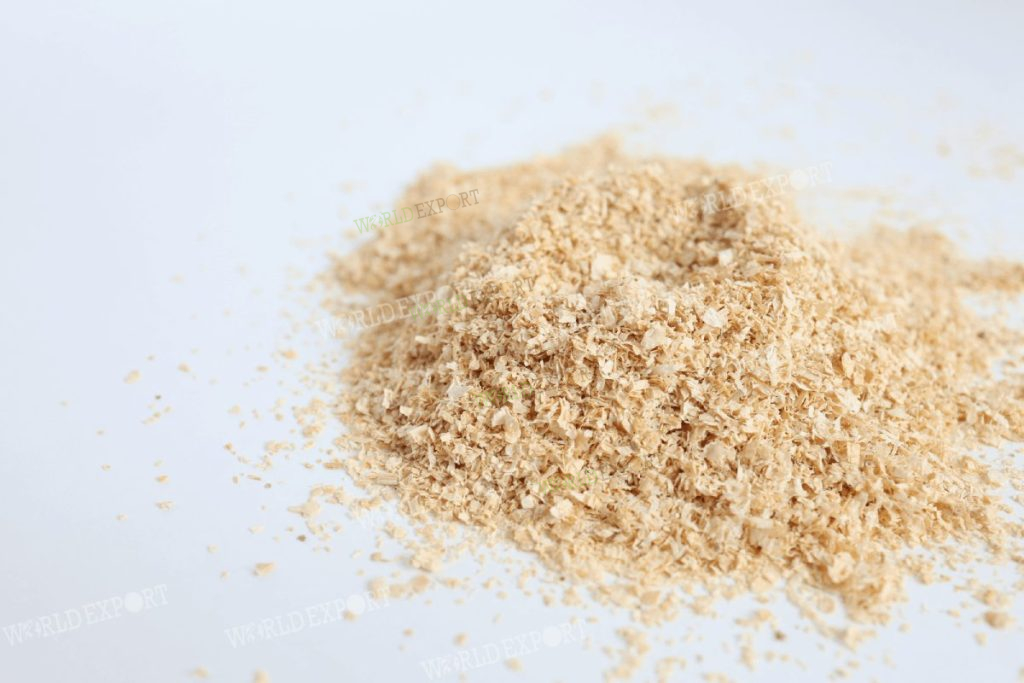
One of the most important criteria is the ability to absorb moisture efficiently. High-quality bedding should quickly soak up liquids and keep the surface dry. This is where high-absorbency sawdust for Japanese farms becomes a preferred option.
Dry bedding reduces bacterial growth, improves hygiene, and supports better animal health.
Cleanliness and Low Dust Levels
Dust is another critical factor. Excessive dust can affect the respiratory health of livestock and reduce overall farm air quality. Japanese standards require bedding materials to be clean, with minimal fine particles.
Consistency in Material Quality
Uniform size and low impurity levels are essential. Bedding must be free from contaminants such as bark, dirt, or chemicals. Consistency ensures predictable performance and easier farm management.

Why Wood Sawdust Meets Japanese Livestock Bedding Standards
High-Absorbency Performance
Wood sawdust is widely used because of its excellent moisture absorption. It helps keep barn floors dry even in humid conditions, making it ideal for farms following strict Japanese livestock bedding standards.
Easy Manure Management
Another advantage is its compatibility with manure. Sawdust mixes well with waste, making it easier to collect and remove. This simplifies daily cleaning routines and reduces labor costs.
Comfort and Animal Welfare
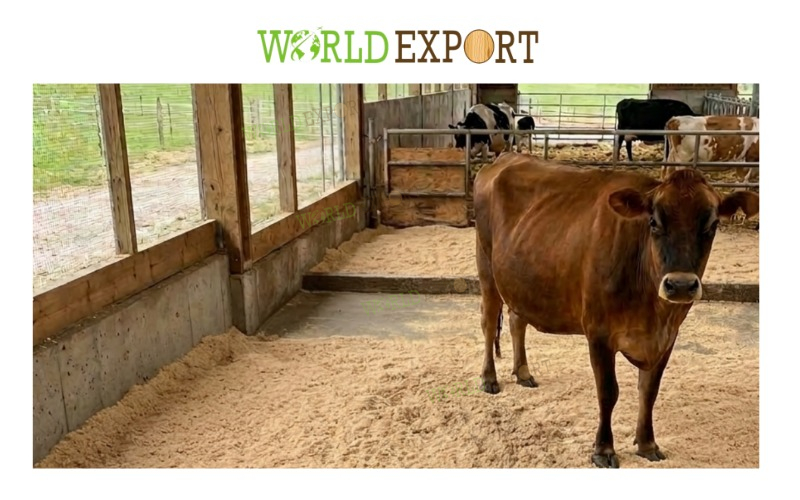
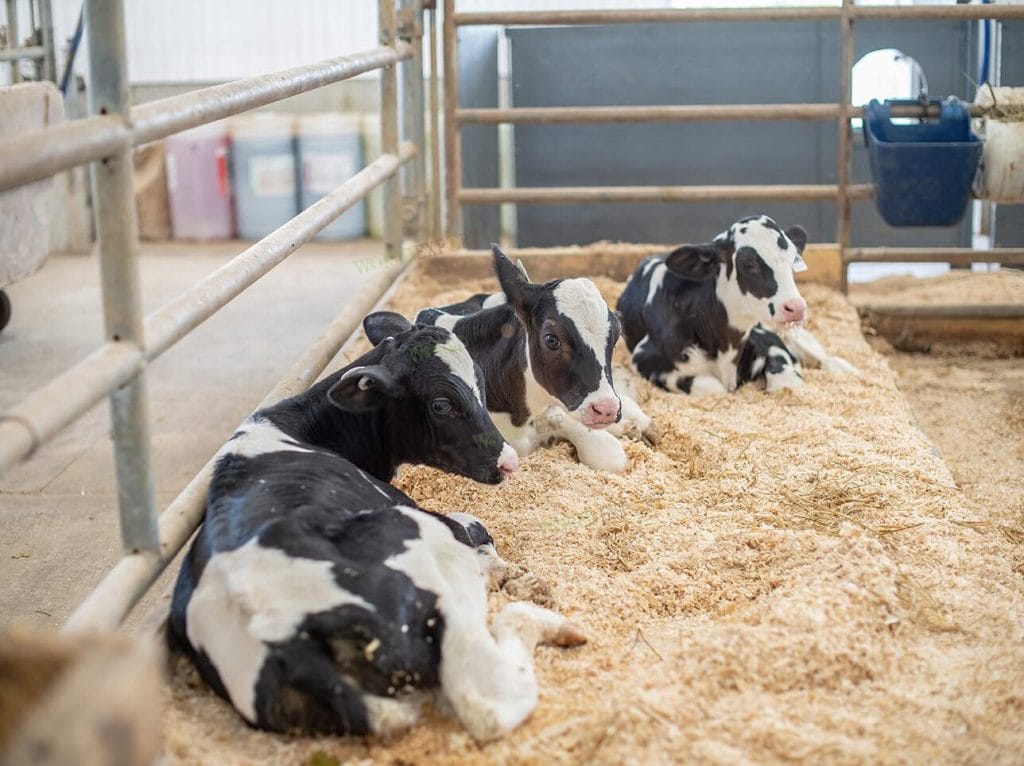
In addition to hygiene, comfort is equally important. Sawdust provides a soft and cushioned surface that reduces pressure on joints and hooves. This improves resting quality and supports better growth performance.
For farms sourcing materials internationally, Vietnamese sawdust for cattle has become a reliable option due to its stable quality and competitive pricing.
Importing Sawdust to Japan – What Farmers Need to Know
Documentation and Phytosanitary Requirements
When importing bedding materials, proper documentation is essential. This includes:
- Phytosanitary Certificate
- Certificate of Origin (CO)
These documents ensure that the product meets Japan’s strict import regulations.
Logistics and Port Access
The process of importing sawdust to Japan is relatively straightforward with experienced suppliers. Shipping routes to major ports such as Osaka or Yokohama are frequent and efficient, helping farms maintain a stable supply.
Choosing the right export partner can significantly reduce delays and ensure smooth customs clearance.

Best Practices to Apply Japanese Livestock Bedding Standards
Recommended Bedding Thickness
A bedding layer of 10–15 cm is generally recommended. This thickness provides sufficient absorption while maintaining comfort for livestock.
Daily Maintenance Routine
To maintain hygiene, farmers should:
- Remove wet or contaminated areas daily
- Add fresh bedding regularly
- Replace bedding periodically depending on usage
Moisture Monitoring Tips
Monitoring moisture levels is key. Proper ventilation, combined with high-quality bedding, helps keep the barn environment dry and stable.
These simple practices can significantly improve farm hygiene and align operations with Japanese livestock bedding standards. For a more practical application of sawdust in improving barn conditions in Korea, you can explore this detailed guide.
Professional Packaging for Exported Sawdust
Importing wood sawdust that meets Japanese livestock bedding standards requires reliable packaging to maintain quality during transit. World Export provides professional solutions tailored for international shipping:
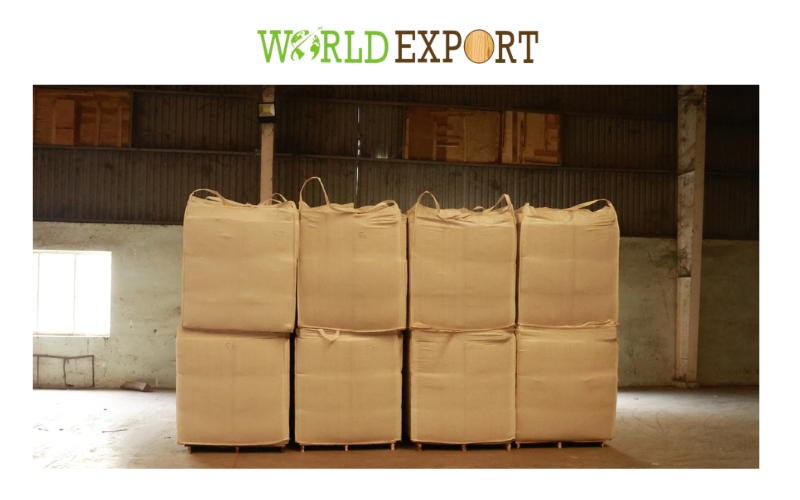
- ジャンボバッグ: 500 – 600 kg with pallets. This is the most efficient way to transport up to 24 tons per 40HC container (40 bags). It is ideal for large-scale cattle farms equipped with mechanical unloading systems, helping streamline handling and reduce labor costs.
- Bag size: 110 x 110 x 120 cm
- Pallet size: 100 x 100 x 9 cm
This packaging method ensures the product remains clean, dry, and easy to handle throughout the entire logistics process. It also helps minimize moisture exposure during long-distance shipping.

Which Japanese Ports Import the Most Vietnamese Wood Sawdust?
World Export – Reliable Sawdust Supplier for Japan Market
World Export is a trusted partner for farms looking to meet strict Japanese livestock bedding standards. With extensive experience in supplying high-quality 木のおがくず, the company focuses on delivering consistent performance and reliable service.
Consistent Quality Control
From raw material selection to processing, every step is carefully managed to ensure low moisture, minimal dust, and uniform size.
Strong Export Experience
World Export understands the requirements of the Japanese market and provides full support for export procedures, ensuring smooth delivery and compliance with regulations.
Flexible Packaging and Logistics
With multiple packaging options and efficient logistics solutions, the company can meet the needs of both small and large-scale farms.
接触 us today to receive detailed product information そして a competitive quotation tailored to your needs!
ワールドエクスポートカンパニーリミテッド
No. 35, Street 12, Van Phuc 1 Residential Area, Quarter 5, Hiep Binh Ward, ホーチミン市, ベトナム
電話 / Whatsapp / カカオトーク: +84 932 632 317
メールアドレス: supportwe@worldexport.com.vn