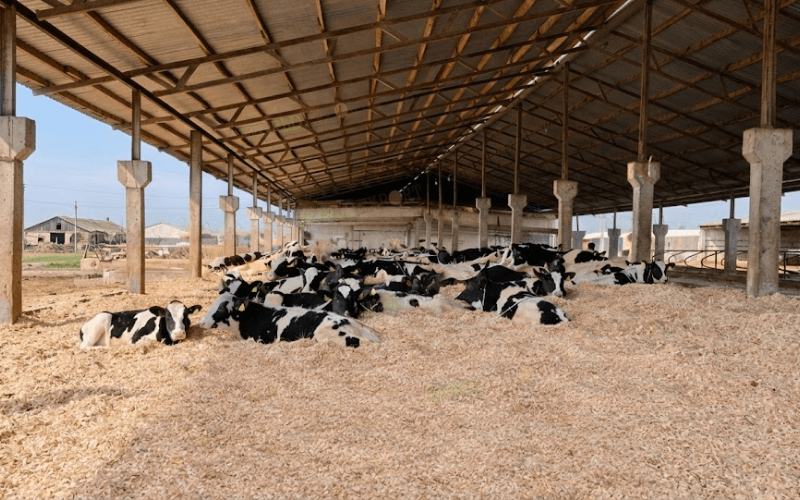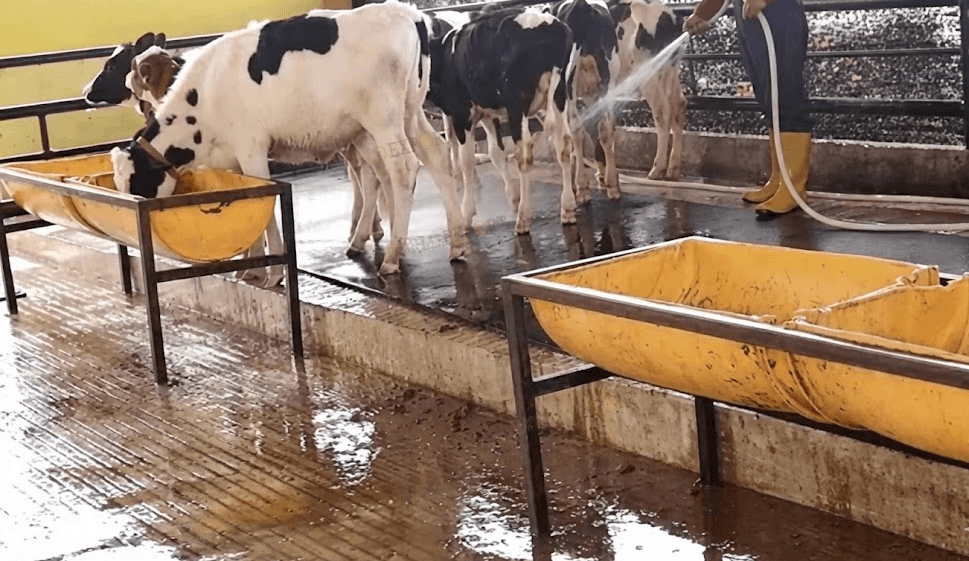







Maintenir un environnement propre et contrôlé dans les étables est une priorité absolue pour l'élevage japonais. Avec des réglementations d'hygiène strictes et des exigences élevées en matière de qualité de la viande et des produits laitiers, les normes japonaises relatives à la litière pour le bétail figurent parmi les plus exigeantes au monde. Pour les éleveurs, le choix d'une litière adaptée ne se limite pas au confort : il a un impact direct sur la santé animale, la productivité et la rentabilité à long terme.
Comment les exploitations agricoles peuvent-elles alors respecter efficacement ces normes ? La réponse réside dans la compréhension des exigences clés et la sélection de matériaux offrant des performances constantes, notamment en conditions humides.
Pourquoi les normes japonaises en matière de litière pour le bétail sont-elles strictes ?
Impact sur la santé et la productivité animales
Dans l'élevage moderne, la litière n'est plus seulement un support. Elle joue un rôle direct dans le maintien de l'hygiène et la prévention des maladies. Une litière de mauvaise qualité peut entraîner une accumulation d'humidité, créant un environnement propice à la prolifération des bactéries. Ceci augmente le risque d'infections telles que les mammites et les problèmes respiratoires.
En respectant les normes japonaises en matière de litière pour le bétail, les exploitations agricoles peuvent garantir des conditions de vie plus propres, des animaux en meilleure santé et une production plus stable.
Défis climatiques dans les exploitations agricoles japonaises
Le climat japonais présente un défi particulier. L'humidité élevée tout au long de l'année rend difficile le maintien d'une étable sèche. Sans litière adéquate, l'humidité s'accumule rapidement, entraînant des odeurs désagréables et la prolifération bactérienne.
C’est pourquoi les matériaux de literie utilisés au Japon doivent posséder de solides propriétés de contrôle de l’humidité et une qualité constante.
Exigences clés des normes japonaises en matière de litière pour le bétail
Contrôle de l'humidité et absorption
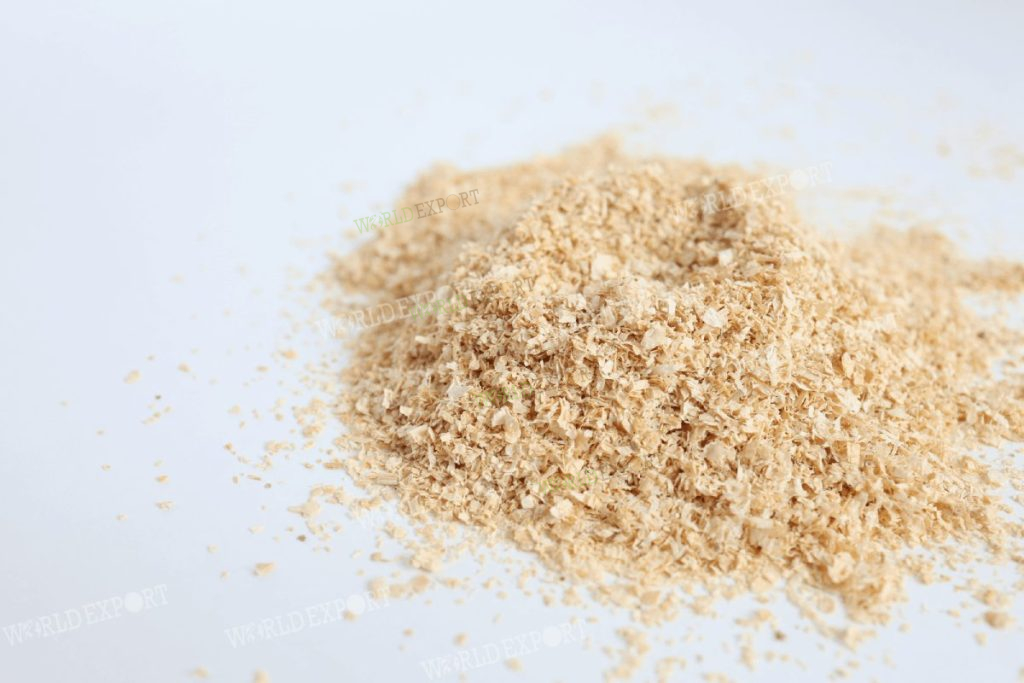
L'un des critères les plus importants est la capacité à absorber efficacement l'humidité. Une litière de haute qualité doit absorber rapidement les liquides et maintenir la surface sèche. C'est là que… Sciure de bois à haute capacité d'absorption pour les exploitations agricoles japonaises devient une option privilégiée.
La litière sèche réduit la prolifération bactérienne, améliore l'hygiène et favorise une meilleure santé animale.
Propreté et faibles niveaux de poussière
La poussière est un autre facteur critique. Un excès de poussière peut affecter la santé respiratoire du bétail et dégrader la qualité de l'air de l'exploitation. Les normes japonaises exigent que la litière soit propre et contienne un minimum de particules fines.
Constance dans la qualité des matériaux
Une taille uniforme et un faible taux d'impuretés sont essentiels. La litière doit être exempte de contaminants tels que l'écorce, la terre ou les produits chimiques. L'homogénéité garantit des performances prévisibles et facilite la gestion de l'exploitation.
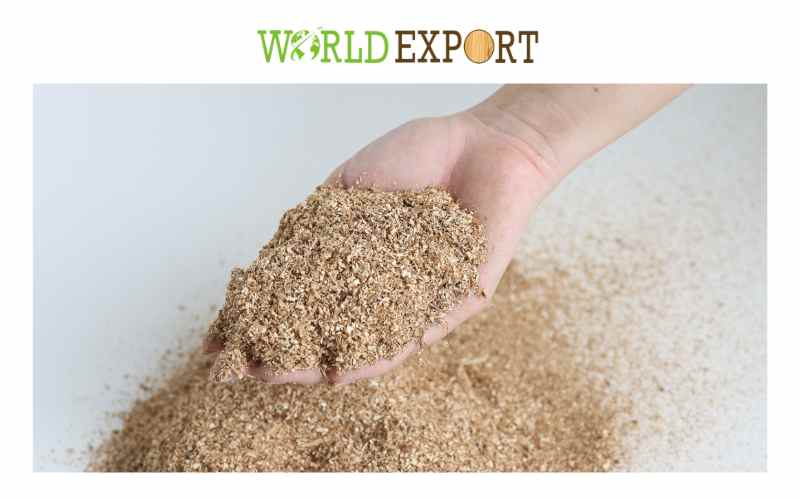
Pourquoi la sciure de bois répond aux normes japonaises en matière de litière pour le bétail
Performances d'absorption élevées
La sciure de bois est largement utilisée en raison de son excellente capacité d'absorption de l'humidité. Elle contribue à maintenir les sols des étables secs même par temps humide, ce qui la rend idéale pour les exploitations agricoles respectant les normes strictes japonaises en matière de litière pour le bétail.
Gestion facile du fumier
Un autre avantage réside dans sa compatibilité avec le fumier. La sciure se mélange bien aux déchets, ce qui facilite leur collecte et leur élimination. Cela simplifie les tâches de nettoyage quotidiennes et réduit les coûts de main-d'œuvre.
Confort et bien-être animal
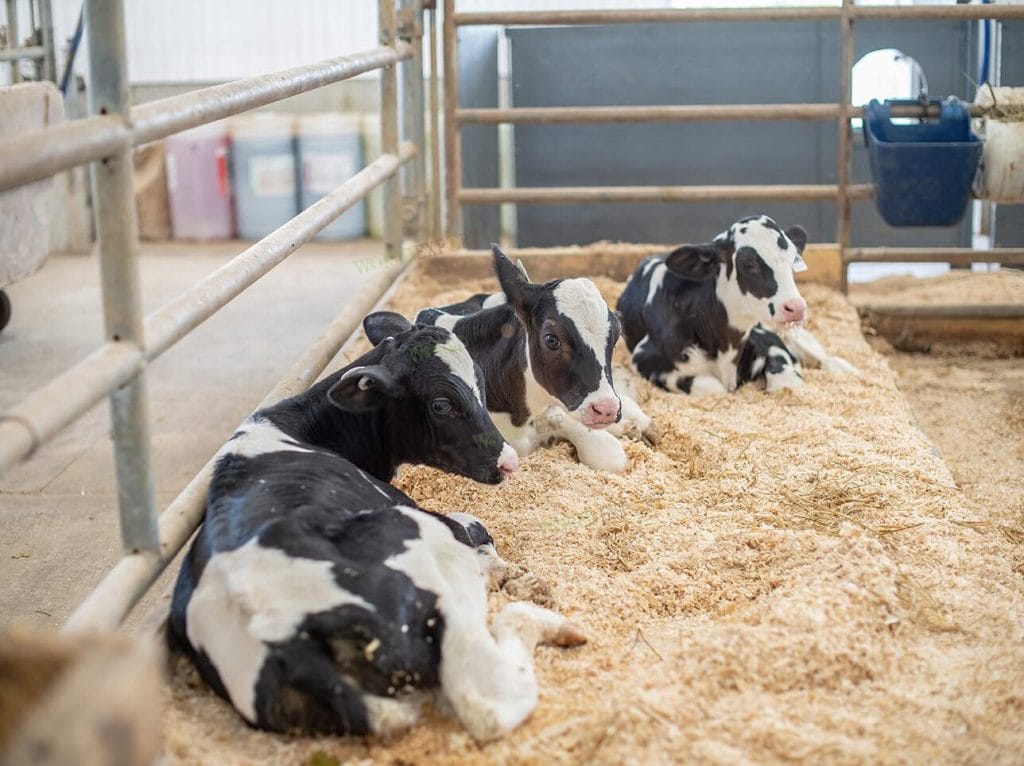
Outre l'hygiène, le confort est tout aussi important. La sciure de bois offre une surface douce et moelleuse qui réduit la pression sur les articulations et les sabots. Cela améliore la qualité du repos et favorise une meilleure croissance.
Pour les exploitations agricoles qui s'approvisionnent en matières premières à l'international, Sciure de bois vietnamienne pour le bétail est devenue une option fiable grâce à sa qualité constante et à ses prix compétitifs.
Importer de la sciure de bois au Japon : ce que les agriculteurs doivent savoir
Exigences en matière de documentation et de phytosanitaires
Lors de l'importation de matériel de literie, une documentation appropriée est essentielle. Cela comprend :
- Certificat phytosanitaire
- Certificat d'origine (CO)
Ces documents garantissent que le produit est conforme à la réglementation stricte du Japon en matière d'importation.
Logistique et accès aux ports
Le processus de importation de sciure de bois au Japon Avec des fournisseurs expérimentés, l'approvisionnement est relativement simple. Les liaisons maritimes vers les grands ports comme Osaka ou Yokohama sont fréquentes et efficaces, ce qui permet aux exploitations agricoles de maintenir un approvisionnement stable.
Choisir le bon partenaire à l'exportation peut réduire considérablement les retards et garantir un dédouanement sans encombre.
Meilleures pratiques pour l'application des normes japonaises en matière de litière pour le bétail
Épaisseur de lit recommandée
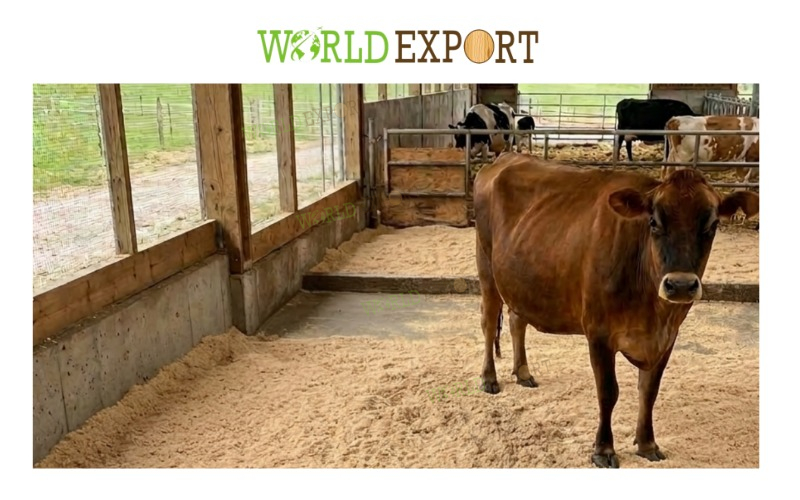
Une couche de litière de 10 à 15 cm est généralement recommandée. Cette épaisseur assure une absorption suffisante tout en garantissant le confort du bétail.
Routine d'entretien quotidien
Pour maintenir une bonne hygiène, les agriculteurs doivent :
- Éliminer quotidiennement les zones humides ou contaminées.
- Ajouter régulièrement de la literie propre.
- Remplacez la literie périodiquement en fonction de son utilisation.
Conseils de surveillance de l'humidité
Il est essentiel de surveiller le taux d'humidité. Une bonne ventilation, associée à une litière de qualité, contribue à maintenir un environnement sec et stable dans l'écurie.
Ces pratiques simples peuvent améliorer considérablement l'hygiène des exploitations agricoles et les aligner sur les normes japonaises en matière de litière pour le bétail. Pour une application plus concrète de la sciure de bois dans l'amélioration des conditions d'élevage en Corée, vous pouvez consulter ce document détaillé. guide.
Emballage professionnel pour la sciure de bois exportée
L'importation de sciure de bois conforme aux normes japonaises pour la litière animale exige un emballage fiable afin de préserver sa qualité pendant le transport. World Export propose des solutions professionnelles adaptées au transport international.
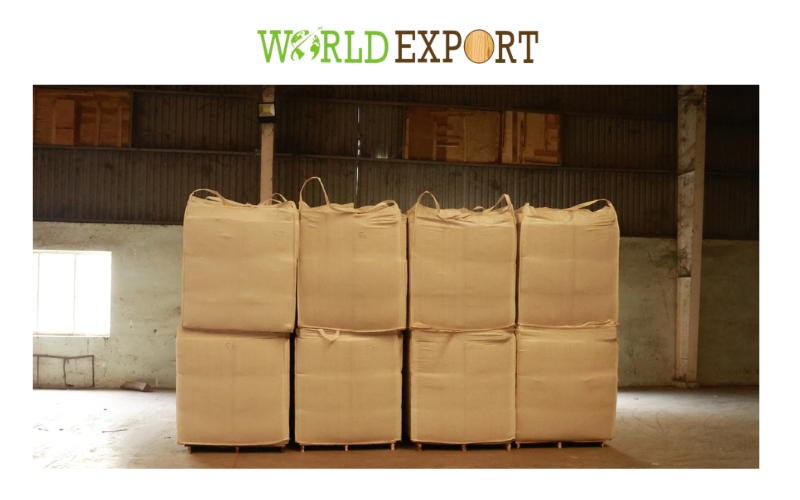
- Sacs géants : 500 à 600 kg sur palettes. C'est la méthode la plus efficace pour transporter jusqu'à 24 tonnes par conteneur 40HC (40 sacs). Elle est idéale pour les grandes exploitations bovines équipées de systèmes de déchargement mécaniques, car elle permet de rationaliser la manutention et de réduire les coûts de main-d'œuvre.
- Taille du sac : 110 x 110 x 120 cm
- Dimensions de la palette : 100 x 100 x 9 cm
Ce mode d'emballage garantit que le produit reste propre, sec et facile à manipuler tout au long du processus logistique. Il contribue également à minimiser l'exposition à l'humidité lors du transport longue distance.
Quels sont les ports japonais qui importent le plus de sciure de bois vietnamienne ?
Exportation mondiale – Fournisseur fiable de sciure de bois pour le marché japonais
World Export est un partenaire de confiance pour les exploitations agricoles souhaitant se conformer aux normes japonaises strictes en matière de litière pour le bétail. Forte d'une vaste expérience dans la fourniture de litière de haute qualité sciure de bois, L'entreprise s'attache à fournir des performances constantes et un service fiable.
Contrôle de qualité constant
De la sélection des matières premières à leur transformation, chaque étape est soigneusement gérée afin de garantir une faible humidité, un minimum de poussière et une taille uniforme.
Solide expérience à l'exportation
World Export comprend les exigences du marché japonais et apporte un soutien complet aux procédures d'exportation, garantissant une livraison sans encombre et le respect des réglementations.
Emballage flexible et logistique
Grâce à de multiples options d'emballage et à des solutions logistiques efficaces, l'entreprise peut répondre aux besoins des petites et grandes exploitations agricoles.
Contact nous aujourd'hui à recevoir détaillé produit information et a compétitif citation sur mesure à ton besoins!
SOCIÉTÉ D'EXPORTATION MONDIALE LIMITÉE
No. 35, rue 12, quartier résidentiel Van Phuc 1, quartier 5, quartier Hiep Binh, Hô Chi Minh-Ville, Vietnam
Tél / Whatsapp / Kakaotalk : +84 932 632 317
E-mail: supportwe@worldexport.com.vn
YouTube : https://www.youtube.com/@WorldExportVN