

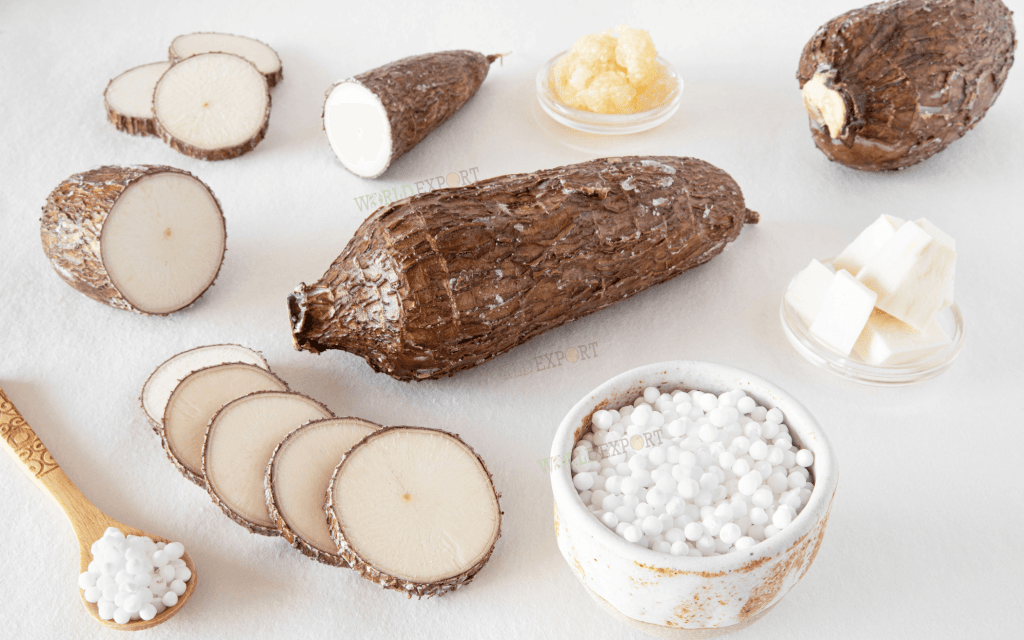
Tapioca starch applications have expanded significantly over the years, transforming from traditional culinary uses into a vital component across various global industries. As a natural, gluten-free, and highly functional carbohydrate, tapioca starch uses are celebrated in food manufacturing, pharmaceutical production, biodegradable packaging, and beyond.
Understanding the scope of the tapioca starch industry is crucial for producers, consumers, and innovators aiming to tap into its full potential. This comprehensive guide delves into the diverse applications of this versatile material, exploring how its unique properties drive excellence and industrial innovation in a sustainable manner.
Primary Food and Beverage Tapioca Starch Applications
The food sector remains the largest consumer in the tapioca starch industry. Its unique characteristics, such as high viscosity, a transparent appearance when cooked, and excellent thickening properties, make it a preferred ingredient.
Gluten-Free Revolution and Baking
In the world of gluten-free baking, Tapioca Starch uses are indispensable. It mimics the structural properties of gluten, providing elasticity and a “chewy” texture to bread, noodles, and snack foods. For individuals with celiac disease or gluten sensitivities, tapioca-based products offer a high-quality alternative to wheat-based staples.
Thickening and Binding in Processed Foods
Tapioca starch serves as a superior thickener for sauces, gravies, and soups. Unlike corn starch, it creates a glossy, translucent finish that enhances the visual appeal of the dish. Furthermore, in the frozen food industry, it acts as a stabilizer in ice creams and pie fillings, preventing water separation during freeze-thaw cycles. To see how our high-purity starch is processed to meet international food safety standards, you can watch our production process video on YouTube.
Advanced Industrial Tapioca Starch Uses
The tapioca starch industry has evolved to serve heavy industries with modified starches that offer enhanced heat resistance and chemical stability.
The Global Paper and Textile Industries
In paper manufacturing, tapioca starch is used as a sizing agent to improve sheet strength, smoothness, and printability. It helps bond the fibers together, resulting in a more durable and high-quality finish. Similarly, in the textile sector, it is used for warp sizing to strengthen yarns, ensuring they can withstand the mechanical stress of weaving.
Biodegradable Packaging and Bioplastics
As consumers and industries push for sustainability, the natural origin of tapioca-derived products positions it as an attractive alternative to synthetic plastics. Tapioca starch uses now include the production of biodegradable films and compostable packaging. These bioplastics are gaining momentum in the packaging, agriculture, and even automotive sectors, reflecting a broader shift toward circular economy models.
Pharmaceutical and Personal Care Applications
The pharmaceutical industry relies on tapioca starch as a binder and filler for tablets and capsules. Its high purity and inert nature make it safe for medicinal use. In the personal care sector, it is often found in dry shampoos, body powders, and lotions, where it acts as a natural moisture absorber, providing a silky and smooth feel to the skin.

The Evolution of the Tapioca Starch Industry
The modern tapioca starch industry is no longer just about raw extraction. It is about innovation through modification. Researchers are exploring nanotechnology and modified starches to tailor functional properties for high-performance applications.
Modified Starches for Specific Needs
By adjusting the molecular structure, producers can create starches with specific viscosities or resistance to acidic conditions. These advancements open new doors in the production of plant-based meats, where the binding capabilities of tapioca help create more realistic textures and “mouthfeel,” satisfying the growing vegan and vegetarian markets.
Sustainability and Economic Impact
Cassava, the source of tapioca starch, is a highly resilient crop that thrives in tropical climates with minimal water and fertilizer requirements. This makes it an eco-friendly resource that supports thousands of farming communities in Southeast Asia, particularly in Vietnam. The ongoing optimization of extraction techniques aims to reduce production costs and environmental impact, ensuring that the tapioca starch industry remains a catalyst for sustainable development worldwide.
Challenges and Future Trends
Despite its growth, the industry faces challenges like fluctuating raw material prices and the need for advanced processing infrastructure. However, as global preferences shift toward healthier, clean-label, and sustainable products, the demand for tapioca starch applications is poised for exponential growth. Future trends point toward increased use in eco-friendly adhesives, renewable energy components, and advanced medical dressings.
Conclusion
In summary, tapioca starch applications cover a broad spectrum from culinary uses to high-tech industrial solutions. Its natural properties—gluten-free, transparent, thickening, and binding—have made it an indispensable ingredient in modern manufacturing. The ongoing innovation within the tapioca starch industry underscores its significance in shaping a greener and more efficient future. With continuous research and investment, its potential will only continue to expand, reaffirming its status as a vital global resource.
World Export is a leading supplier of premium tapioca starch in Vietnam, providing high-quality products with competitive pricing and reliable global delivery. As a trusted exporter, we serve diverse industries including food and beverage, paper manufacturing, and animal feed. Our commitment to excellence ensures that every shipment meets international quality standards, offering you a consistent and sustainable supply of one of the world’s most versatile starches.
Contact us today to receive detailed product information and the latest quotation tailored to your needs!
WORLD EXPORT COMPANY LIMITED
Address: No. 35, Street 12, Van Phuc 1 Residential Area, Quarter 5, Hiep Binh Ward, Ho Chi Minh City, Vietnam
Tel / Whatsapp / Kakao Talk: +84 932 632 317
Email: supportwe@worldexport.com.vn