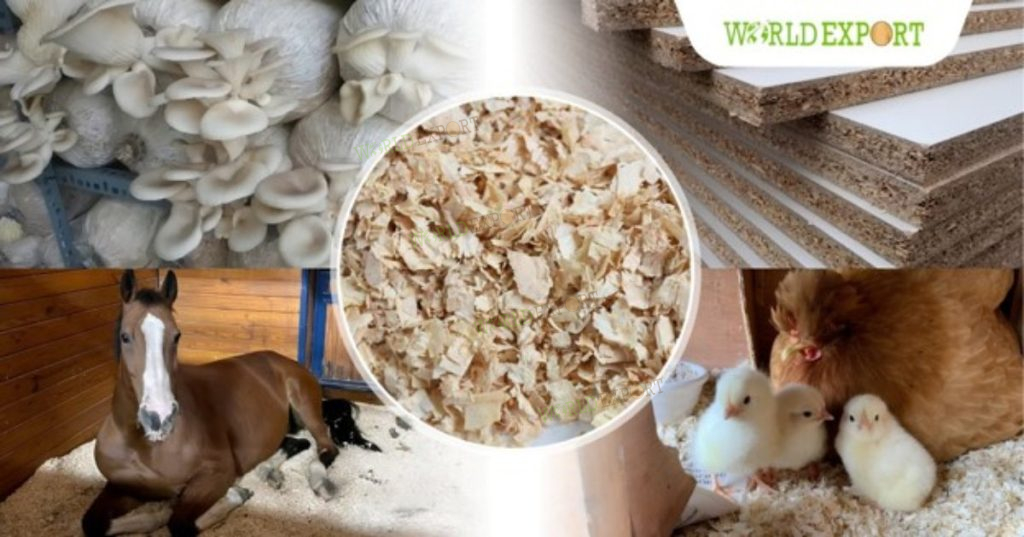







In the world of commercial mycology, the substrate is the lifeblood of the operation. While fungi can grow on various organic materials, sawdust for mushrooms has emerged as the industry standard for cultivating wood-decaying species. Whether you are producing gourmet varieties for fine dining or medicinal extracts for the supplement market, the quality of your mushroom sawdust directly determines your biological efficiency and final yield.
At World Export, established in 2017, we specialize in providing the high-purity wood substrates necessary for commercial success. In this guide, we will explore why industries prefer to grow mushrooms in sawdust and how to select the right material for your specific crops.
Why Use Sawdust for Mushrooms?
Wood-decaying fungi, such as Shiitake, Oyster, and Lion’s Mane, naturally grow on fallen logs. Mushroom sawdust mimics this natural environment but offers several advantages for commercial growers:
-
Increased Surface Area: The small particle size of sawdust provides a massive surface area for the mycelium to colonize, leading to faster growth cycles compared to traditional log cultivation.
-
Consistency: Unlike agricultural waste like straw, high-quality wood sawdust offers a consistent nutrient profile, ensuring predictable yields across different batches.
-
Ease of Sterilization: Sawdust can be easily hydrated and sterilized in autoclave bags, significantly reducing the risk of contamination from competing molds or bacteria.

Choosing the Right Substrate for Different Fungi Species
Not all mushrooms can thrive on the same material. To successfully grow mushrooms in sawdust, you must match the wood type to the biological requirements of the fungi. Most “wood-loving” (saprophytic) mushrooms prefer hardwoods over softwoods, as hardwoods provide the dense lignin and cellulose structures they need for long-term energy. While species like Reishi, Lion’s Mane, and Maitake all flourish on mushroom sawdust, the two most popular commercial choices: Oyster and Shiitake, have specific preferences that every grower should understand.
Oyster Mushroom Sawdust
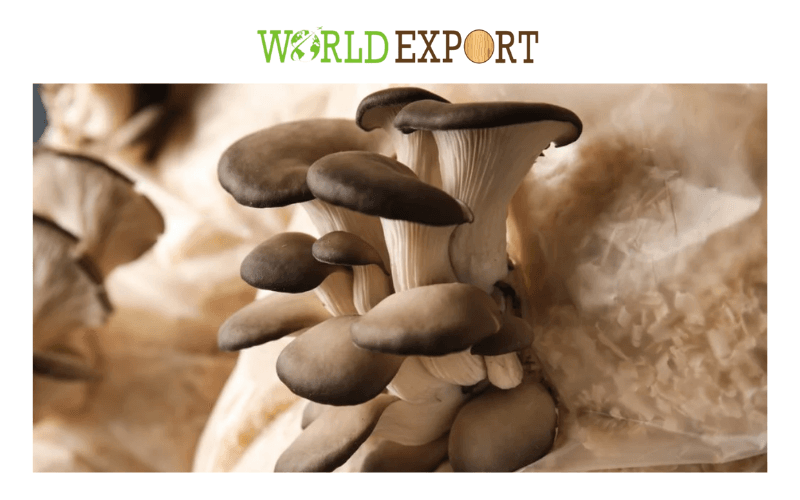
Oyster mushrooms (Pleurotus ostreatus) are known among mycologists as “aggressive colonizers,” meaning they grow quickly and can thrive on a wide variety of materials. Using oyster mushroom sawdust, particularly a blend of mixed hardwoods, is highly effective for commercial “bag” or “column” cultivation. Because Oyster mushrooms are less picky than other species, they perform exceptionally well on a mixed wood sawdust base (such as a combination of Acacia and Rubberwood), which provides a stable moisture reservoir and balanced nutrients for rapid fruiting cycles.
Shiitake Mushroom in Sawdust
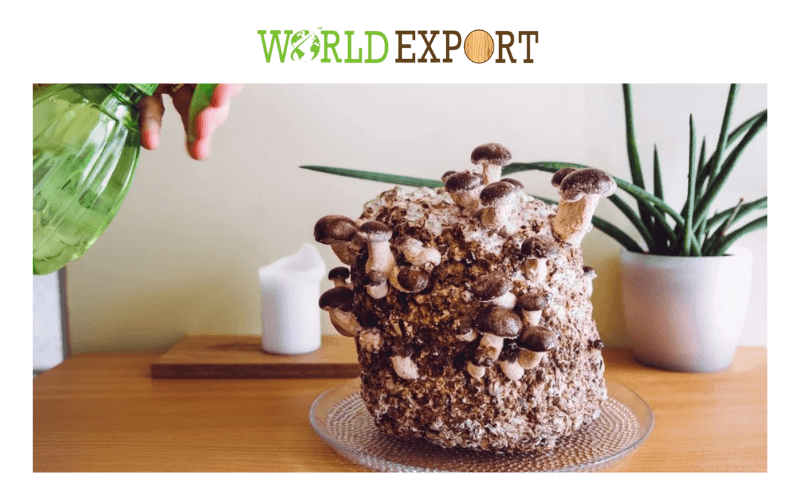
Cultivating Shiitake mushroom in sawdust requires a more specialized approach. Unlike Oyster mushrooms, Shiitake are “obligate” hardwood decomposers, meaning they specifically require the complex carbon chains found in dense hardwoods like Acacia or Oak. Softwoods like Pine are generally avoided for Shiitake because their natural resins can inhibit the growth of the delicate mycelium. By using high-quality Acacia wood sawdust, growers provide the perfect nutrient-dense foundation for the slow-growing Shiitake mycelium to develop the rich, savory flavor and meaty texture that this premium mushroom is famous for.
How to Grow Mushrooms in Sawdust: The Professional Process
To successfully grow mushrooms in sawdust, follow these essential steps used by commercial farms:
-
Hydration and Supplementation: Raw sawdust is dry and relatively low in nitrogen. Growers usually add water until the moisture content reaches about 60%, and supplement it with 10–20% bran (wheat or rice) to provide the energy needed for fruiting.
-
Sterilization: The supplemented sawdust is packed into heat-resistant bags and sterilized at high pressure to kill any wild spores.
-
Inoculation: Once cooled, the bags are injected with mushroom spawn in a sterile environment (laminar flow hood).
-
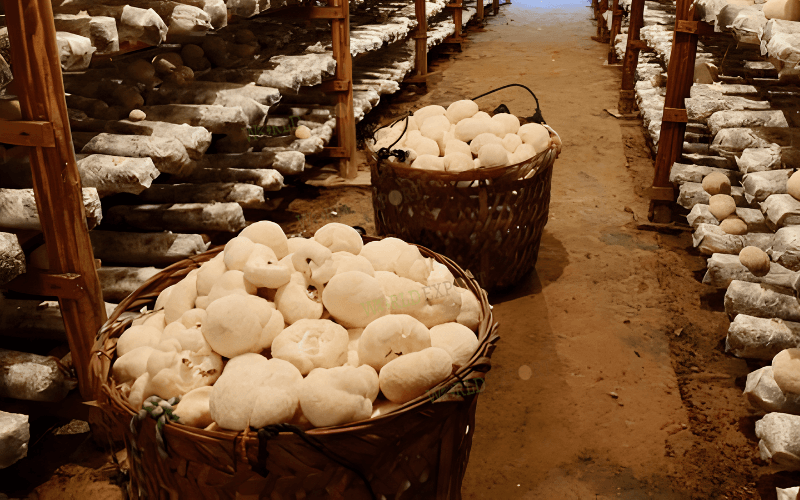
Incubation: The bags are placed in a dark, temperature-controlled room until the mycelium completely “whitens” the sawdust.
-
Fruiting: The bags are moved to a high-humidity room with fresh air exchange to trigger the growth of the mushrooms.
Key Factors for High-Performance Mushroom Sawdust
Not all sawdust is suitable for cultivation. To avoid crop failure, your sawdust for mushrooms must meet specific technical criteria:
-
Particle Size: A size of 1–5 mm is ideal. If it is too fine, the substrate becomes too dense for oxygen to reach the mycelium. If it is too coarse, it won’t hold enough moisture.
-
Moisture Levels: For export and storage, sawdust must be kiln-dried to Max 12%. This prevents mold from growing on the substrate before it ever reaches your farm.
-
Purity: The sawdust must be free from chemicals, glues, or oils often found in furniture-grade wood waste.
World Export: Your Trusted Source for Vietnamese Mushroom Sawdust
Since 2017, World Export has been a premier supplier of Vietnamese wood sawdust to the international mushroom industry. We understand that your harvest depends on the purity of our product.
We specifically recommend our Acacia Wood Sawdust or Mixed Wood Sawdust for premium gourmet mushroom production. Acacia is a hardwood that provides the long-lasting carbon source that mushrooms like Shiitake crave.
World Export Technical Specifications:
| Property | Specification |
| Material | 100% Acacia or Mixed Wood |
| Size | 1 – 5 mm |
| Moisture | Max 12% (Kiln-Dried) |
| Purity | 100% Natural, No Chemicals |
| Fine Particles | Max 2% |
Professional Packaging for Export:
To ensure your substrate arrives in perfect, sterile-ready condition, we offer:
-
Jumbo Bags: 500 – 600 kg with pallets; 24 tons/40HC.
-
Plastic Bags (Bulk): 20 kg bags; approx. 20 tons/40HC.
-
Plastic Bags (Pallet): 20 kg bags; PE wrapped for moisture protection; 40 pallets/container.
Explore more about: Is Wood Sawdust in Vietnam the High-Performance Material Your Business Needs?
Conclusion: Build Your Harvest on a Strong Foundation
The decision to grow mushrooms in sawdust is a step toward higher efficiency and better quality control. By choosing a high-performance substrate like the Acacia wood sawdust from World Export, you are giving your fungi the best possible start.
Don’t let low-quality substrates compromise your yield. Invest in the purity and consistency of Vietnamese wood sawdust to see the difference in your next harvest.
Are you ready to optimize your mushroom production?
Contact World Export today to discuss your substrate needs and receive a competitive quote on the best sawdust for mushrooms available in the market.