

Understanding what is tapioca starch can open new doors in culinary creativity, industrial applications, and health insights. This versatile ingredient, derived from a tropical root, has gained global popularity for its unique thickening properties and eco-friendly nature. Whether you are a chef looking for the perfect sauce consistency, a diet enthusiast seeking gluten-free options, or a manufacturer exploring sustainable materials, tapioca starch offers fascinating solutions rooted in food science.
In this article, we will delve into the origins and production of this starch, analyze the debate of corn starch vs tapioca starch, and clarify the common confusion: is cassava starch and tapioca starch the same?
What is Tapioca Starch? Origins and Production
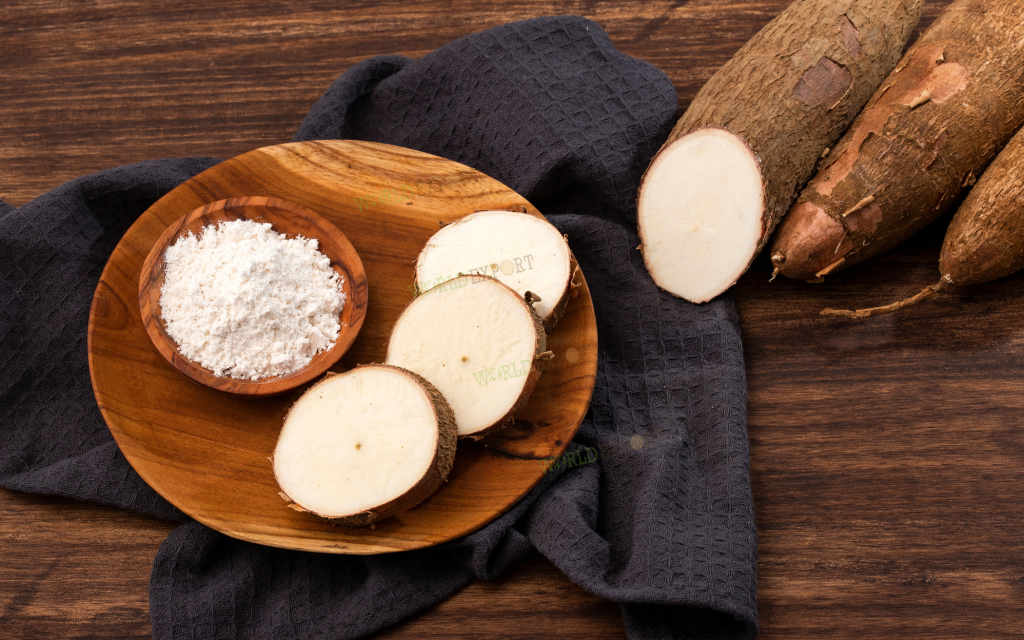
What is Tapioca Starch? At its core, it is a fine, white, gluten-free powder extracted from the storage roots of the cassava plant (Manihot esculenta). Cassava is also known as manioc, yuca, or mandioca depending on the region.
The journey from root to powder involves several meticulous steps including cleaning, rasping, separation, and drying. To see the actual production scale and how we ensure the highest purity standards, you can watch our manufacturing process video on YouTube. This starch is highly prized for its neutral flavor, meaning it does not alter the taste of the final product, and its excellent thickening capacity.

Corn Starch vs Tapioca Starch: Which One Should You Choose?
When comparing corn starch vs tapioca starch, it is essential to analyze their physical properties and how they react to heat and moisture. While both serve as effective thickeners, they are not always interchangeable.
Clarity and Texture
Corn starch, derived from maize, produces an opaque and matte finish when cooked. In contrast, tapioca starch creates a translucent, glossy, and shiny finish. This makes it the preferred choice for fruit pie fillings, puddings, and glossy sauces where visual appeal is paramount.
Freezing and Resistance
One major advantage in the corn starch vs tapioca starch comparison is how they handle temperature. Tapioca starch remains stable when frozen and thawed, preventing the separation of liquids. Corn starch, however, tends to break down and become spongy after freezing. Understanding these nuances helps manufacturers choose the right grade. You can explore our premium Tapioca Starch product specifications here to find the perfect match for your requirements.
Is Cassava Starch and Tapioca Starch the Same?
A frequent point of confusion for consumers and manufacturers alike is: is cassava starch and tapioca starch the same? Technically, in most commercial contexts, the answer is yes. Both originate from the same plant root.
Naming and Processing Nuances
While many use the terms interchangeably, some distinctions exist based on regional naming:
– Cassava Starch: Often a broader term used in South America and parts of Africa.
– Tapioca Starch: More prevalent in Southeast Asia and the international culinary market, typically referring to the highly refined, pure starch.
So, when people ask is cassava starch and tapioca starch the same, functionally and chemically, they are identical, though labeling may vary by brand or origin.
Industrial and Health Benefits of Tapioca Starch
Beyond the kitchen, what is tapioca starch signifies a vital raw material for various industries. Its high viscosity and gel-forming abilities make it suitable for biodegradable packaging, the paper industry (as a sizing agent), and pharmaceuticals.
From a health perspective, it is a pure carbohydrate source that is naturally hypoallergenic. Being free from gluten, nuts, and grain, it is one of the safest thickeners for individuals with sensitive digestive systems or Celiac disease.
Sustainability and Global Demand
The cultivation of cassava is highly sustainable. It thrives in poor soil conditions with minimal water and fertilizer, making it an eco-friendly crop. Southeast Asia, particularly Vietnam, has become a global hub for high-quality starch production, meeting the rising demand for clean-label and plant-based ingredients in the West.
Conclusion
In summary, what is tapioca starch reveals a functional, gluten-free, and sustainable ingredient that is essential in modern food science. Whether you are navigating the differences of corn starch vs tapioca starch for a specific recipe or clarifying if is cassava starch and tapioca starch the same for industrial sourcing, the value of this root-derived starch is undeniable. Its unique ability to provide transparency, elasticity, and stability ensures its place as a staple in both traditional and contemporary applications.
World Export: Your Trusted Tapioca Starch Supplier in Vietnam
World Export is a leading supplier of premium tapioca starch in Vietnam, providing high-quality products with competitive pricing and reliable global delivery. As a trusted exporter, we serve diverse industries including food and beverage, paper manufacturing, and animal feed. Our commitment to excellence ensures that every shipment meets international quality standards, offering you a consistent and sustainable supply of one of the world’s most versatile starches.
Contact us today to receive detailed product information and the latest quotation tailored to your needs!
WORLD EXPORT COMPANY LIMITED
Address: No. 35, Street 12, Van Phuc 1 Residential Area, Quarter 5, Hiep Binh Ward, Ho Chi Minh City, Vietnam
Tel / Whatsapp / Kakao Talk: +84 932 632 317
Email: supportwe@worldexport.com.vn
