






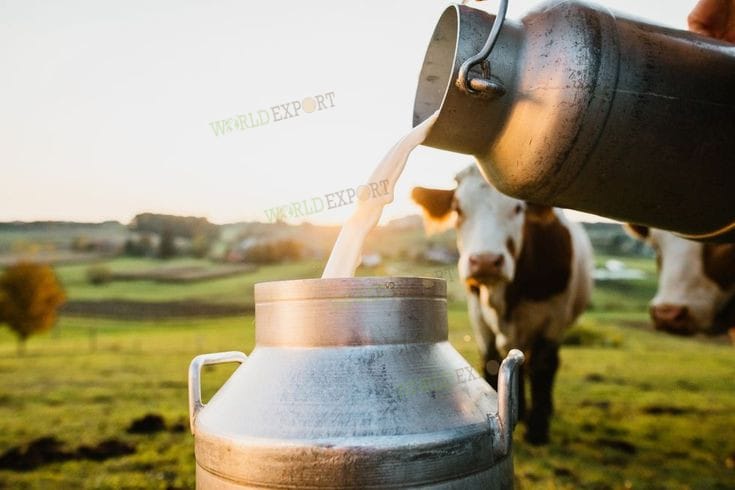
For dairy farmers, the milk tank is the ultimate report card. It reflects the efficiency of the entire farm’s management system. However, many producers find themselves frustrated by fluctuating numbers, often asking, “Why won’t my cow produce milk at its full potential?” or struggling with poor milk yield.
The truth is that milk production is a delicate balance of biology and environment. At World Export, we understand that high-quality output begins with high-quality care. In this guide, we will analyze the primary factors affecting milk quality and the specific factors that affect milk production, helping you turn your farm into a high-performance operation.
Genetics and Breed Potential
Before a cow ever enters the milking parlor, its potential is determined by its DNA. Genetics are the foundational factors that affect milk production. While Holsteins are famous for high volume, Jerseys are prized for higher milk fat and protein (quality). However, even the best genetics will fail to deliver if the environmental factors are not managed correctly.
Nutritional Management and Hydration
Nutrition is arguably the most influential of the factors affecting milk quality.
Dry Matter Intake (DMI): The cow needs a balanced Total Mixed Ration (TMR) containing fibers, proteins, and minerals to synthesize milk.
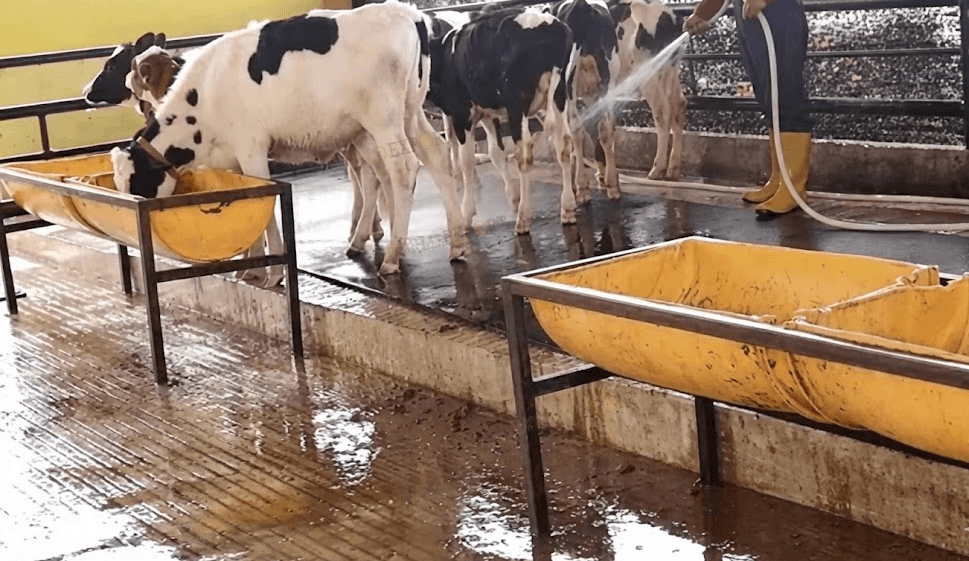
The Role of Water: Milk is approximately 87% water. If a cow’s water access is restricted or the water is contaminated, you will see an immediate poor milk yield. A high-producing dairy cow can drink up to 150 liters of water a day.
Addressing the “Why Won’t My Cow Produce Milk?” Question
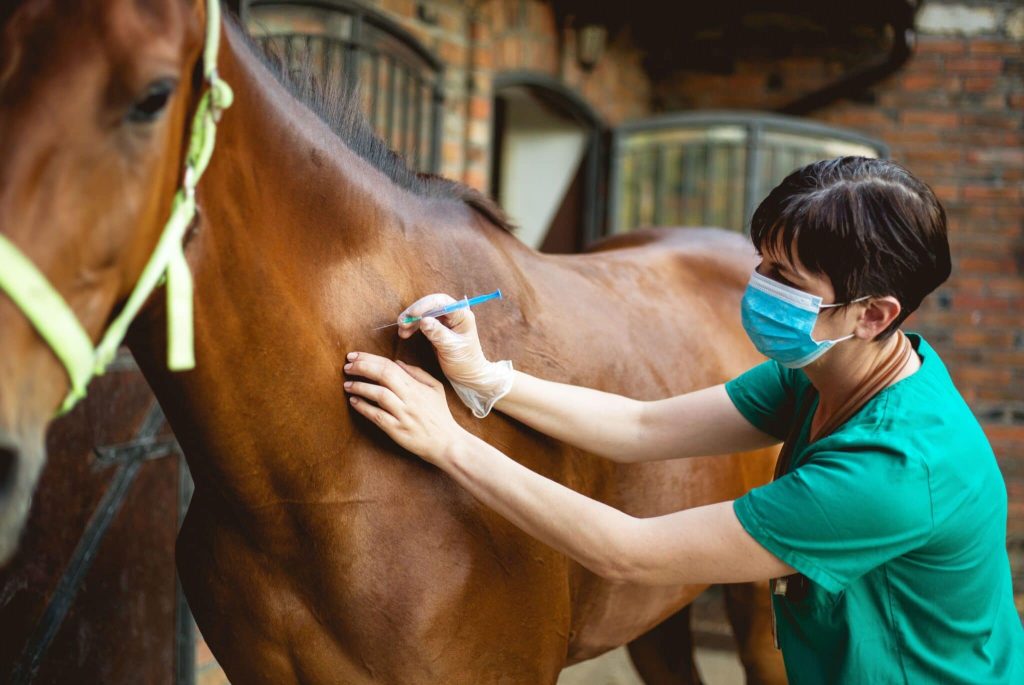
When a cow suddenly drops in production, it is usually a sign of acute stress or illness. If you are wondering, “Why won’t my cow produce milk?“, consider these three common culprits:
Mastitis: This infection of the udder is a primary factor affecting milk quality. It raises the Somatic Cell Count (SCC), which reduces the market value of the milk and damages the milk-secreting tissues.
Heat Stress: Cows are most comfortable between 5°C and 20°C. When temperatures rise, cows eat less and redirect energy from milk production to cooling themselves down.
Lameness: A cow that is in pain will spend more time lying down and less time at the feed bunk, leading to a significant drop in yield.
Cow Comfort: The Silent Factor in Milk Production
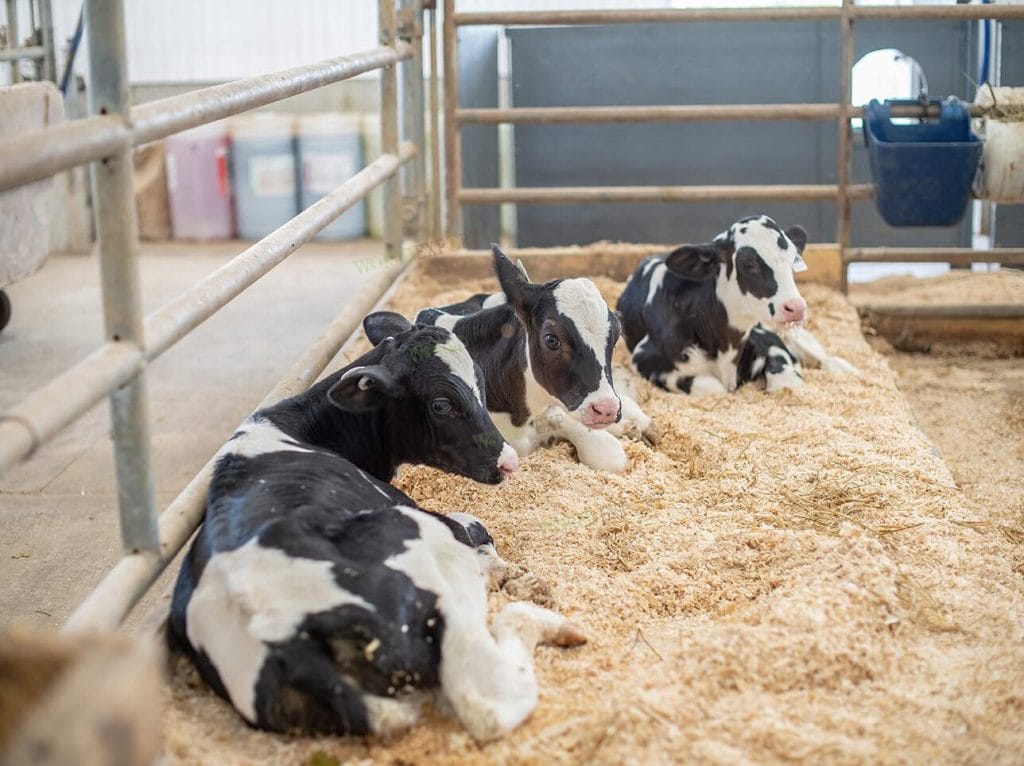
One of the most overlooked factors that affect milk production is the amount of time a cow spends resting. A cow should rest for 12 to 14 hours a day. During rest, blood flow to the udder increases by up to 30%, which is essential for milk synthesis.
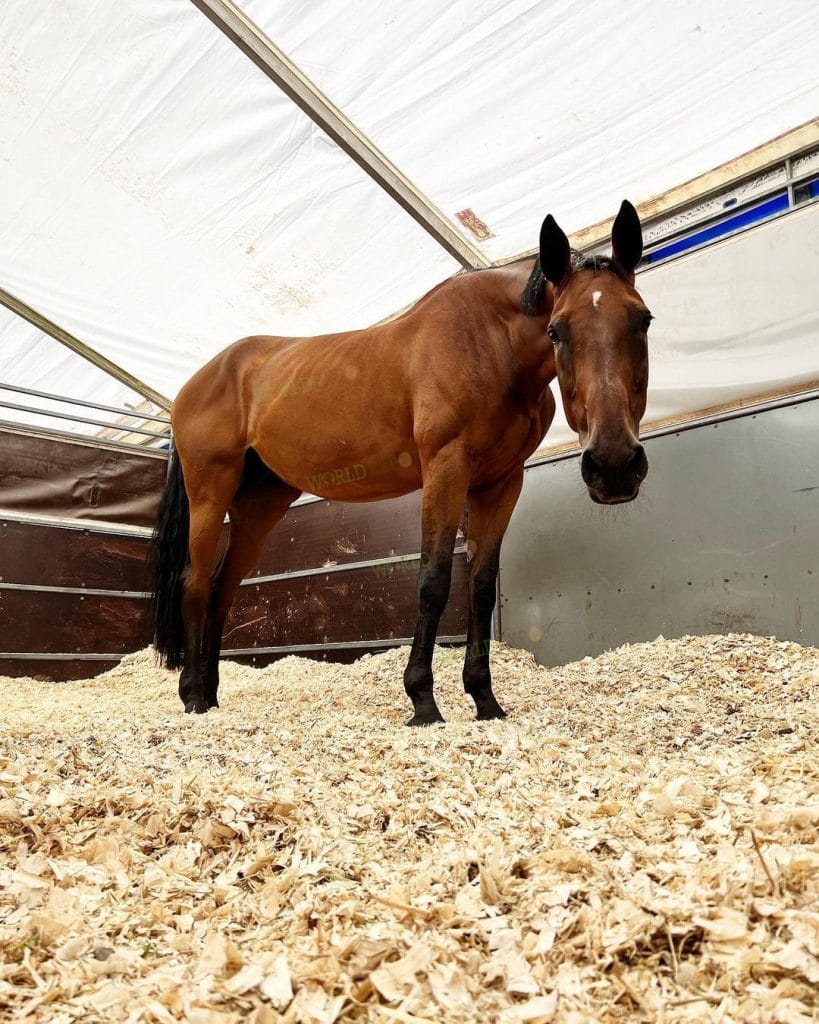
This is where the quality of your bedding becomes vital. Hard, damp, or bacteria-ridden surfaces discourage cows from lying down, leading to fatigue and poor milk yield. Furthermore, clean bedding is the first line of defense against mastitis, directly influencing factors affecting milk quality such as bacterial load and SCC.

Premium Wood Sawdust: The World Export Advantage
To maintain a high-quality dairy environment, the choice of bedding material is a strategic decision. Since 2017, World Export has provided international dairy farms with high-performance wood sawdust designed to optimize cow comfort and hygiene.
Our wood sawdust is highly absorbent, which keeps the udder dry and reduces the risk of environmental mastitis. By maintaining a clean resting area, you directly improve the quality of the milk produced.
World Export Wood Sawdust Specifications
We offer three distinct types of sawdust to meet the specific needs and budgets of our global clients:
Pine Sawdust: Known for its high absorbency and natural antibacterial properties.
Acacia Sawdust: A durable, sustainable option with excellent moisture-wicking capabilities.
Mixed Sawdust: A cost-effective blend of premium wood types, providing consistent quality.
=> Explore the full range of wood sawdust offered by World Export here.

Conclusion: Bridging the Gap Between Comfort and Quality
The factors affecting milk quality and yield are interconnected. A cow that is well-fed, hydrated, and resting on dry, clean sawdust from World Export is a cow that will reward you with high-quality milk and consistent yield.
By addressing poor milk yield through better environmental management, you aren’t just caring for your animals, you’re protecting the profitability and reputation of your farm.
Ready to boost your milk quality? Contact World Export today to discover how our sustainably sourced wood sawdust can transform your dairy operations. Let us help you achieve the yield your herd is capable of!