







When delving into the world of industrial starch, one of the most crucial yet often underappreciated steps is Tapioca Starch testing. This process is the definitive gateway for ensuring that the final product meets strict international quality standards, enabling producers to deliver a reliable, high-performing ingredient to the market.
Whether you are deeply involved in the intricacies of tapioca starch processing or managing large-scale tapioca starch bulk supplies, understanding the importance of detailed analytical testing is vital. It acts as the backbone of quality assurance, regulating parameters such as purity, viscosity, and moisture content—all of which directly influence how the starch performs in food, pharmaceutical, and industrial applications.
From the initial stages of extraction to the final distribution, rigorous testing serves as a critical checkpoint to identify potential issues early, save costs, and enhance product integrity through technological advancement. To see our professional laboratory and factory operations in action, you can watch our production and testing process on YouTube.
The Critical Role of Tapioca Starch Testing
Tapioca Starch testing is a meticulous analytical process that verifies key functional parameters. These measures are fundamental because they determine the starch’s behavior during heating, cooling, and mixing. Accurate testing ensures that the material is free from impurities like residual proteins, ash, or fiber, which can compromise its safety or clarity.
Advanced analytical techniques, such as spectrophotometry and viscometry, provide the precise data needed to maintain consistency across production batches. For suppliers and buyers alike, these tests bolster confidence, fostering long-term business relationships. Furthermore, regular monitoring reveals deviations in raw material quality before they escalate into major issues, allowing for real-time optimization of energy consumption and environmental impact.
Innovations in Tapioca Starch Processing
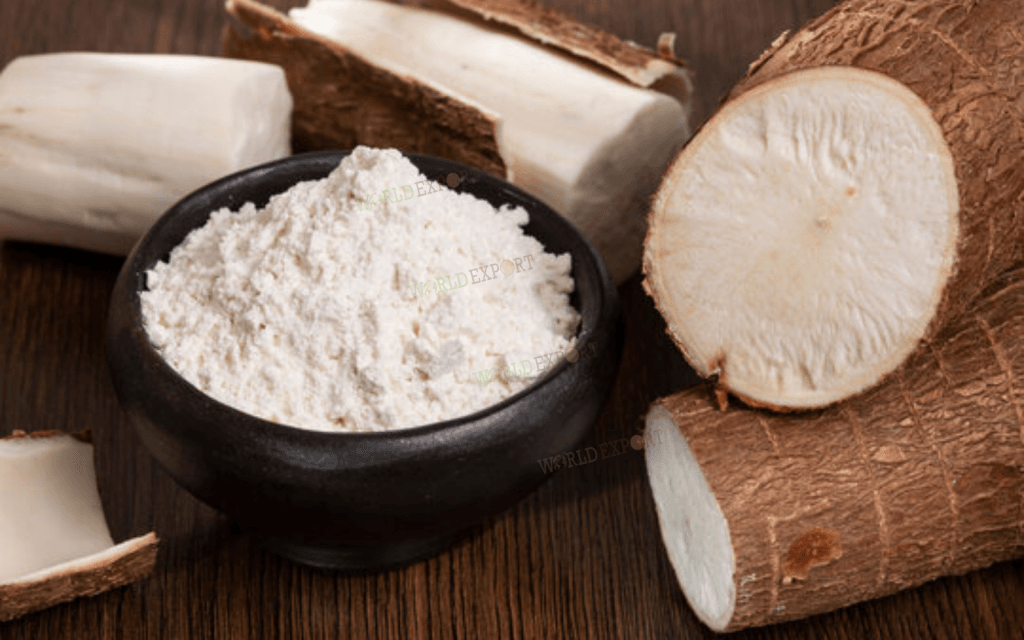
Tapioca starch processing is a complex, multi-step operation that transforms raw cassava roots into a refined, high-purity powder. The journey begins with harvesting mature cassava, followed by washing, peeling, and crushing to extract the starchy pulp. Water plays a central role in separating the starch from fibrous components through a series of purification stages, including sedimentation, centrifugation, and flash drying.
Modern facilities now employ automated systems to achieve precise control over pH levels and temperatures, significantly reducing human error. Tapioca Starch testing is integrated at every stage of this chain to ensure each batch is compliant before packaging. For manufacturers seeking consistent viscosity and high-performance grades, you can explore our premium Tapioca Starch product specifications here.
An innovative trend in modern processing is the shift toward sustainable practices, such as water recycling and energy-efficient dryers. These improvements not only lower production costs but also satisfy the increasing global demand for organic and non-GMO options, requiring even more transparency and rigorous testing in the processing chain.

Managing Quality in Tapioca Starch Bulk Supplies
Handling tapioca starch bulk involves managing large quantities efficiently while maintaining the chemical and physical integrity of the product. Bulk storage requires specialized facilities to prevent moisture absorption and microbial contamination, which can lead to deterioration over time. For manufacturers who rely on large-scale production, even a minor change in starch functionality can halt an entire assembly line.
The distribution of tapioca starch bulk highlights why standardized testing protocols are indispensable. Regular sampling of bulk shipments ensures that the quality parameters remain stable from the factory to the client’s warehouse. Advanced technologies, such as real-time moisture analyzers and automated sampling systems, allow companies to monitor product integrity continuously during transportation.
Proper management of bulk supplies, supported by rigorous Tapioca Starch testing, positions businesses to respond swiftly to market demands while upholding the integrity of the global supply chain. This strategic approach ensures that the starch’s performance remains predictable, whether it is destined for a food factory in Europe or a textile mill in Asia.
Conclusion
In summary, Tapioca Starch testing plays a vital role throughout the entire lifecycle—from raw tapioca starch processing to tapioca starch bulk distribution. It ensures that each stage maintains the highest standards of quality, safety, and functionality, which is the cornerstone of consumer trust and regulatory compliance.
As the market continues to evolve with a focus on sustainability and clean-label products, the integration of innovative testing protocols is no longer optional; it is the key to thriving in a competitive landscape. Ultimately, the commitment to rigorous testing and technological excellence ensures long-term growth and customer satisfaction in the global starch industry.
World Export is a leading entity in the starch industry, recognized as a premier supplier of tapioca starch in Vietnam. We specialize in high-purity starch solutions, ensuring competitive pricing, flexible bulk shipping options, and fast, reliable delivery to global markets. Our expertise in tapioca starch processing and rigorous Tapioca Starch testing protocols allows us to provide consistent, high-quality products tailored to your specific industrial requirements.
Contact us today to receive detailed product information and the latest quotation tailored to your needs!
WORLD EXPORT COMPANY LIMITED
Address: No. 35, Street 12, Van Phuc 1 Residential Area, Quarter 5, Hiep Binh Ward, Ho Chi Minh City, Vietnam
Tel / Whatsapp / Kakao Talk: +84 932 632 317
Email: supportwe@worldexport.com.vn
