




For procurement managers, few products create as many hurdles as wood shavings cat litter. On paper it looks simple: a low-value, high-volume commodity. In practice, it is a pet-safe consumer product regulated as a plant product in transit — sensitive to moisture, prone to dust, and dependent on responsibly sourced timber. Get any of these wrong and the shipment fails at customs, arrives damaged, or triggers costly downstream complaints.
This guide is written for the buyer negotiating with overseas mills. It covers the specifications, certifications, and logistics choices that make or break the economics of the category.
Technical specifications for premium wood shavings cat litter
Not all wood by-products are commercially viable as cat litter. Retail buyers expect a clean, low-dust, absorbent, and pet-safe product — each attribute traces back to specific specifications at the mill. When evaluating potential suppliers of wood shavings cat litter, three metrics anchor every technical review.
1. What wood shavings are safe for cat litter?
This is the first question any serious buyer must answer, and the wood species matters as much as the processing. Untreated softwood shavings — particularly cedar and untreated pine — release volatile aromatic hydrocarbons, primarily phenols, that have documented health effects on small animals.
Published veterinary and toxicology research links exposure to these compounds with elevated liver enzymes and respiratory irritation in caged animals, effects that begin within 24 hours of exposure and take days to reverse after the bedding is removed (Biology Insights). (1)
This is the first question any serious buyer must answer, and the wood species matters as much as the processing. Untreated softwood shavings — particularly cedar and untreated pine — release volatile aromatic hydrocarbons, primarily phenols, that have documented health effects on small animals.
Published veterinary and toxicology research links exposure to these compounds with elevated liver enzymes and respiratory irritation in caged animals, effects that begin within 24 hours of exposure and take days to reverse after the bedding is removed (Biology Insights).
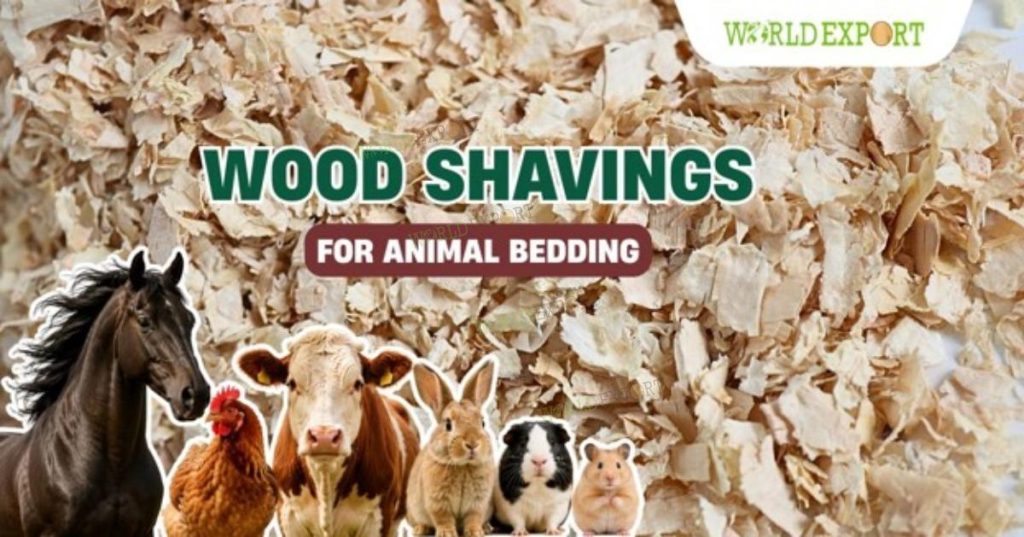
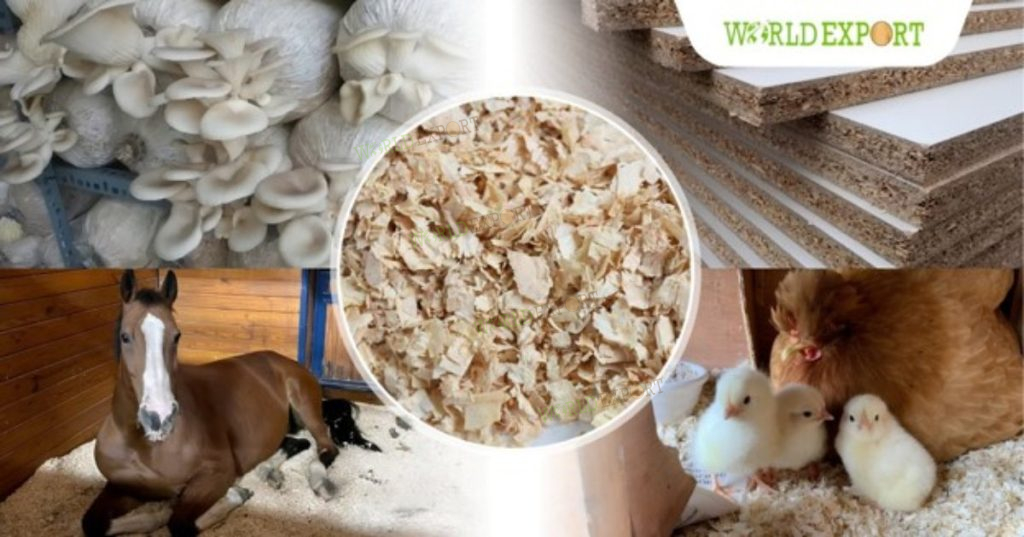
The critical distinction is treatment. Heat treatment — the same kiln-drying process used to meet international phytosanitary standards — significantly reduces the concentration of aromatic hydrocarbons in softwood shavings. This is why 소나무 대패밥 have become the working industry standard for wood-based cat litter: they retain pine’s natural absorbency and antimicrobial properties while lowering the phenol load.
Some manufacturers also use aspen, a hardwood that is naturally low in aromatic compounds, though pine dominates the commercial supply chain because of its greater availability at export volumes.
For a supplier evaluation, ask directly: what wood species, what kiln-drying protocol, and are batch-level phenol reduction results available? If a mill cannot articulate the treatment step, its product is not commercially viable for cat litter.
2. Moisture content and absorption metrics
Moisture content sits at the center of nearly every downstream problem. Too high, and the shavings mold during ocean transit and lose absorbency at the point of use. Too low, and the shavings become brittle and dusty, which damages the product’s appeal on retail shelves and irritates feline respiratory systems.
The commercial target range is 8–12% moisture content. To verify a supplier’s claim, insist on measurement against a recognized standard — the industry reference is ASTM D4442, Standard Test Methods for Direct Moisture Content Measurement of Wood and Wood-Based Materials, which specifies oven-drying at 103°C as the primary method for wood and wood-based materials.
Reputable mills either operate an in-house lab that references this method or work with an accredited third-party testing service. Ask suppliers whether their moisture data is issued against ASTM D4442 Method A (the oven-dry reference method), Method B (secondary oven-dry), or an in-line moisture meter calibrated to ASTM D4444.
3. Dust extraction and respiratory safety standards
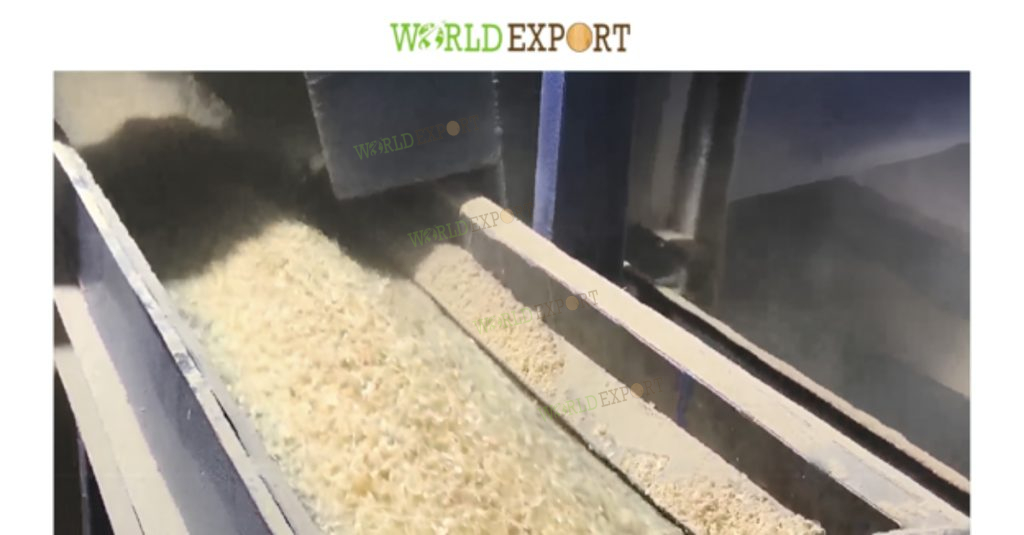
Dust is the single most common consumer complaint about wood-based cat litters, and it is entirely a manufacturing problem. Commercial-grade wood shavings cat litter should pass through a multi-stage screening process that removes fine particles and powder. The typical setup uses at least two vibrating screens combined with an aspiration step that separates lightweight dust from the graded shavings.
Feline respiratory systems are sensitive to particulate irritation, and retailers are unforgiving on dusty products. When qualifying a supplier, request a sample tested for fines percentage (well below 1% is a strong commercial baseline) and ask to see the screening line in a factory visit or video walkthrough.
International certifications and import compliance
Technical specifications determine whether the product is usable. Certifications determine whether it can legally cross a border. For any importer moving wood-based product into North America, Europe, or increasingly Asia, two frameworks matter above all others.
1. FSC and PEFC sustainability standards
European and North American retail buyers increasingly require Forest Stewardship Council (FSC) or Programme for the Endorsement of Forest Certification (PEFC) chain-of-custody certification. Both schemes verify that wood originates from responsibly managed forests, and every entity in the supply chain maintains documentation tracing material back to source (FSC Chain of Custody, PEFC Chain of Custody).
For a supplier to make an FSC or PEFC claim, they must hold a valid Chain of Custody (CoC) certificate from an accredited auditor. Ask for the certificate number and verify it against the FSC or PEFC public database.
2. Phytosanitary certificates and agricultural regulations
나무 부스러기 shipped as cargo crosses international borders as a regulated plant product. Import authorities are primarily concerned with preventing the introduction of wood-boring pests — the Asian longhorned beetle and emerald ash borer, among others — that can devastate domestic forests.
For imports into the United States, USDA APHIS applies the International Standards for Phytosanitary Measures No. 15 (ISPM 15) to wood packaging material, requiring treatment by either heat (a minimum wood-core temperature of 56°C for at least 30 minutes) or methyl bromide fumigation, plus the official ISPM 15 mark.
When the wood shavings themselves are the cargo — as with cat litter — a phytosanitary certificate issued by the exporting country’s National Plant Protection Organization is generally required, verifying that the shipment is pest-free and complies with the destination country’s plant health requirements.
Equivalent frameworks apply in the EU, Canada, Japan, and most other major markets. Importers who miss this step face Emergency Action Notifications, forced re-export, or destruction of the shipment at their expense.
Logistics, freight, and supply chain management
Wood shavings are low-density, high-volume cargo. Every logistics decision is a decision about how efficiently you can move air, protect a moisture-sensitive product, and split risk with your supplier.
1. Volumetric optimization for 40ft HC containers
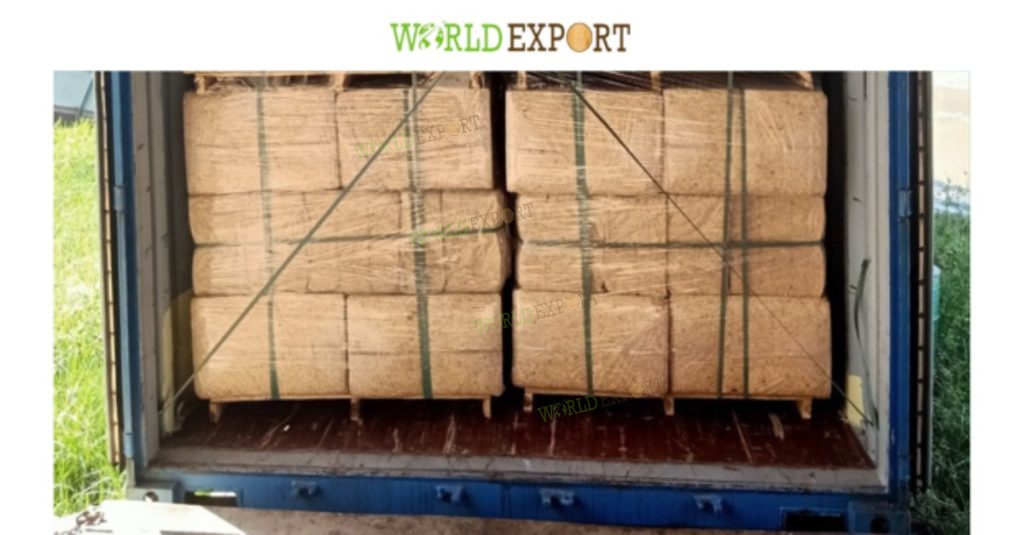
A standard 40-foot high-cube container hits its volumetric limit long before its weight limit. Uncompressed wood shavings ship as air. To bring per-container economics into range, exporters use industrial baling — vertical or horizontal balers that compress shavings to roughly a third of loose volume.
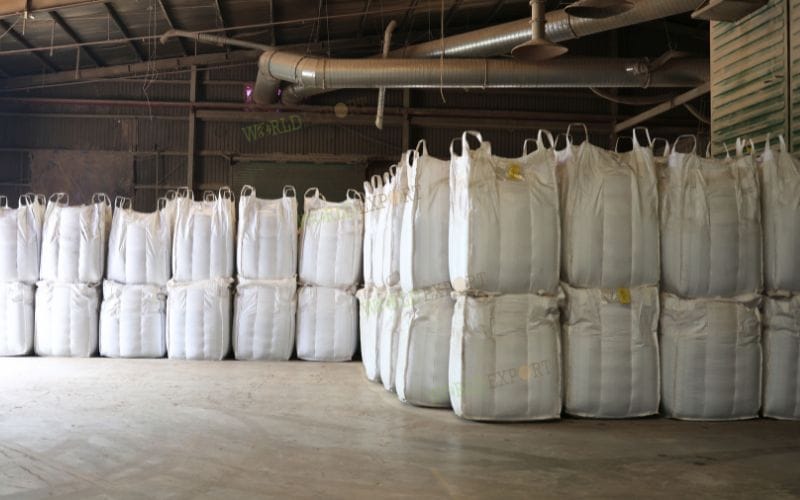
Common commercial bale sizes range from ~40 lb retail-ready bales up to 250–300 kg high-density bales for wholesale volumes (Orkel). A 40ft HC of baled shavings typically ships 20–25 metric tons. Buyers should insist on a target payload per container in the contract, since a supplier who under-fills the container transfers freight cost inefficiency directly to the buyer.
2. Mitigating moisture risks during sea transit
“Container rain” — condensation formed when a sealed container passes through varying climate zones — is the single largest cargo-loss risk on ocean routes. Warm humid air trapped at loading condenses on the container roof and walls as the vessel enters cooler waters, then drips onto the cargo. For wood shavings, the result is mold and unsalable shipments on arrival.
Industry practice for wood cargo is to keep relative humidity inside the container below 60% RH throughout the voyage. This is achieved with high-capacity container desiccants (typically calcium chloride hanging strips), moisture-barrier liners, and dry loading conditions.
Loading in rain or on a wet container floor raises humidity to damaging levels within days regardless of desiccant quantity. For long tropical routes, procurement contracts should specify desiccant quantity, liner type, and dry-loading requirements.
3. Selecting Incoterms (FOB vs. CIF) for timber products
The choice between Free On Board (FOB) and Cost, Insurance and Freight (CIF) is the single most consequential commercial decision after the product spec.
Under FOB, the seller delivers the goods on board the vessel at the named port of shipment; the buyer then contracts and pays for main-carriage ocean freight and insurance (ICC/Shipping Solutions). Under CIF, the seller arranges and pays for both freight and insurance to the destination port, though the risk of loss still transfers at the port of shipment.
For buyers with established freight forwarders and negotiated ocean rates, FOB usually delivers better landed cost and greater control over routing, transit time, and carrier selection. For buyers new to a trade lane or importing at low volume, CIF can be operationally simpler at the trade-off of paying a mark-up on the seller’s freight arrangement.
One frequently missed detail: CIF’s mandatory insurance covers only Institute Cargo Clauses (C) — a minimum-coverage tier that does not protect against many common maritime losses. Buyers relying on CIF should consider supplementary all-risks coverage for moisture-sensitive cargo.
B2B FAQ
Q1: Can you use wood shavings as cat litter directly from a lumber mill?
A1: No. Raw wood shavings from a lumber mill are commercially unsuitable as cat litter for three reasons. First, they have not undergone the multi-stage dust extraction required for a low-dust retail product.
Second, untreated softwood shavings retain the phenol content that makes them a health risk for cats. Third, moisture content is inconsistent, which leads to mold in bagged storage or transit. Commercial wood shavings cat litter requires kiln drying, controlled moisture, and dust screening — none of which are standard steps in a lumber mill’s output.
Q2: Can wood shavings be used as cat litter in clumping formulas?
A2: Standard wood shavings are naturally non-clumping — they absorb urine into the wood fiber but do not form a solid mass. Clumping wood-based litters are a distinct product category, typically manufactured as pelletized wood treated with natural clumping agents such as plant-based gums. Buyers targeting the clumping segment should source a purpose-formulated pelletized product rather than expect standard shavings to clump.
Q3: What wood shavings are safe for cat litter beyond pine?
A3: Aspen is the most common non-pine hardwood used in commercial pet bedding for its naturally low aromatic hydrocarbon content. Any softwood — including pine — must be kiln-dried to reduce phenol content to safe levels. Untreated cedar should be avoided entirely.
Q4: What certifications should a supplier of eco-friendly wood shavings litter hold?
A4: For a product marketed as eco-friendly wood shavings litter, retail buyers in developed markets generally expect FSC or PEFC chain-of-custody certification demonstrating responsibly sourced timber, plus a valid phytosanitary certificate for each shipment. Additional certifications such as ISO 9001 (quality management) and ISO 14001 (environmental management) are common differentiators among larger export suppliers.
Sourcing wood shavings cat litter from Vietnamese manufacturers
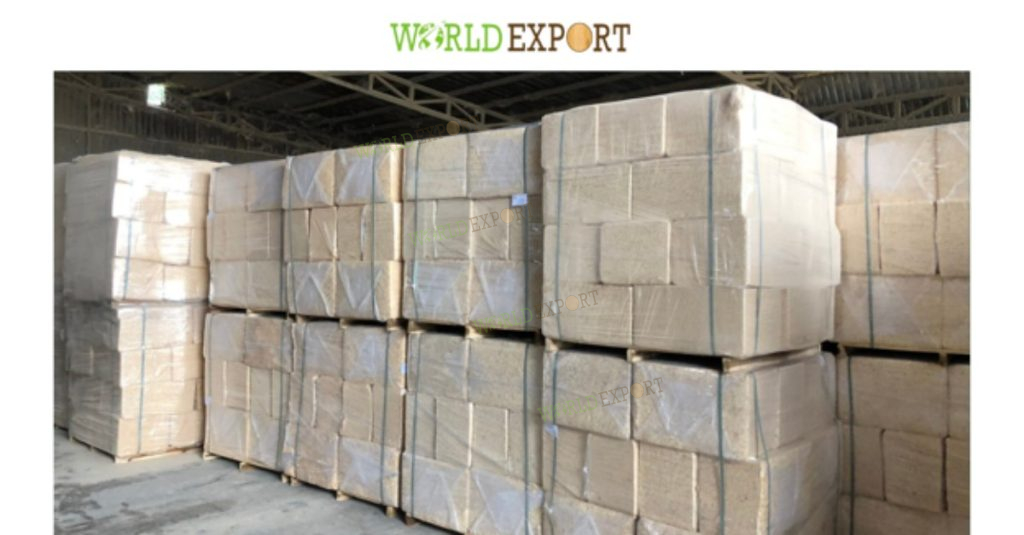
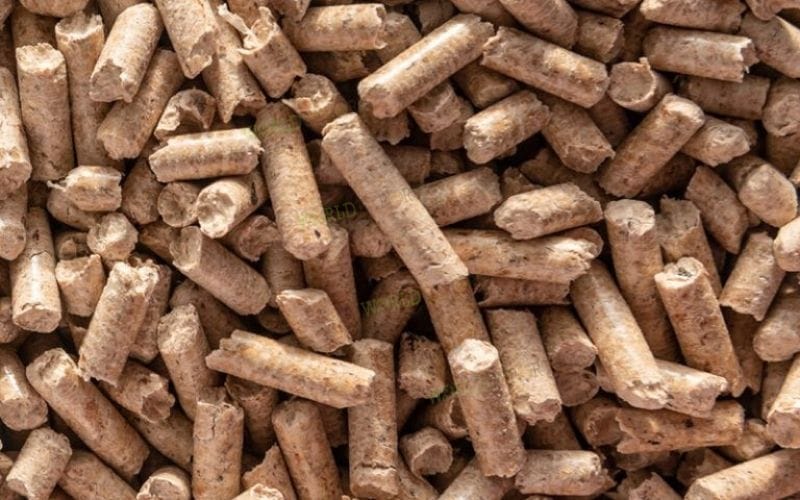
Vietnam has emerged as a competitive source for kiln-dried pine wood shavings meeting these specifications. 세계 수출 produces 100% pine wood shavings (1–15 mm) with maximum 12% moisture content, dust-free screening, and maximum 0.5% foreign matter — a specification profile consistent with commercial-grade cat litter applications. A Salmonella test report is available on request.
For buyers evaluating Vietnamese sourcing, see the Pine Wood Shavings product page or contact us for FOB quotations, sample requests, and export documentation.
월드 익스포트 컴퍼니 리미티드
베트남 호치민시 Hiep Binh Ward, Quarter 5, Van Phuc 1 주거 지역, Street 12, 35호
전화/Whatsapp/카카오톡: +84 932 632 317