



キャッサバ澱粉と加工澱粉:産業と料理の成功のための詳細な比較

When exploring the world of starches, especially for large-scale food manufacturing, industrial applications, or even nutritional considerations, two terms often dominate the conversation: Cassava Starch vs Modified Starch. These unique ingredients significantly impact the final texture, shelf-life stability, and overall processing efficiency of a product.

Understanding the nuances of Cassava Starch vs Modified Starch is essential for manufacturers, professional chefs, and informed consumers to choose the right solution for their specific needs. This article dives deep into these materials, comparing their properties, clarifying What is Cassava Starch, What is Modified Starch, and exploring the broad applications of Tapioca Starch.

Cassava Starch vs Modified Starch: Origin and Functionality

The debate between Cassava Starch vs Modified Starch centers around their origin, processing methods, and functional performance under stress.

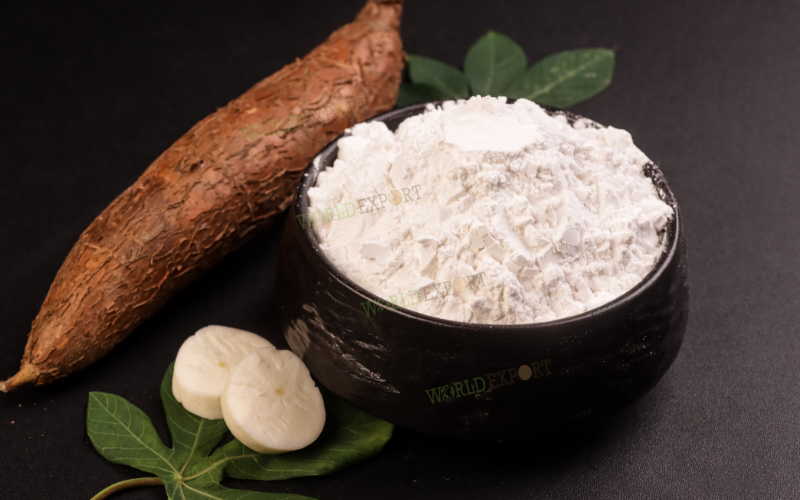
– Native Properties: Cassava Starch is derived directly from the root of the cassava plant (Manihot esculenta). It is prized for its natural purity, neutral taste, and excellent paste clarity. To see our advanced extraction process and how we maintain 100% natural purity, you can YouTubeで制作ビデオをご覧ください.

– Engineered Performance: On the other hand, Modified Starch involves chemical, physical, or enzymatic alterations to native starches. These modifications—which can be applied to maize, potato, or cassava bases—are designed to enhance specific characteristics like thickening power, resistance to high heat, or acid stability.

From a practical perspective, the former is often favored in “clean label” and gluten-free products, while the latter is critical in industrial food processing where stability during long-term storage or high-shear mixing is crucial.

キャッサバ澱粉と加工澱粉

What is Cassava Starch? The Natural Powerhouse

If you are asking What is Cassava Starch, it is essentially a natural carbohydrate extracted through a series of washing, grating, and refining processes. The resulting product is a bright white, odorless powder with a neutral flavor profile that does not interfere with the delicate notes of food ingredients.

Benefits of the Native Form

– Gluten-Free Nature: It is invaluable in health-conscious food formulations and gluten-free baking.

– High Clarity: It forms transparent gels, making it ideal for glossy sauces and fruit fillings.

– Eco-Friendly: Cassava is a resilient, drought-tolerant crop, making its starch a sustainable choice for eco-conscious producers.

For businesses looking for high-purity native materials with consistent viscosity, you can 当社のプレミアムタピオカ澱粉製品の仕様についてはこちらをご覧ください.

What is Modified Starch? Tailor-Made Solutions

To answer What is Modified Starch, we must look at it as a “custom-built” ingredient. Native starches often have limitations; for instance, they might lose their thickening power when frozen or break down in highly acidic environments (like a lemon sauce).

Common Types of Modifications

– Cross-linking: Strengthens the starch granules so they don’t rupture during high-heat cooking.

– Stabilization (Acetylation): Prevents “weeping” or water separation in frozen foods.

– Pre-gelatinization: Allows the starch to thicken in cold water without boiling.

Essentially, What is Modified Starch represents the intersection of food science and manufacturing—altering nature’s molecular structure to deliver consistent performance in demanding industrial environments.

Understanding Tapioca Starch in Modern Industry

Tapioca Starch is frequently used as a synonym for native Cassava Starch. In the industrial realm, it is valued for its high gel strength and transparency. It is the preferred choice for everything from premium puddings and bubble tea pearls to industrial adhesives and textile sizing.

An interesting insight is that while Tapioca Starch is naturally high-performing, it often serves as the “base” for many modified versions. By applying the modifications mentioned earlier to a tapioca base, manufacturers can create a product that maintains the clean taste of cassava but gains the robustness of an engineered starch. This flexibility makes it a reliable component in both the kitchen and the factory.

キャッサバ澱粉と加工澱粉

Decision Matrix: Choosing the Right Starch

When deciding between Cassava Starch vs Modified Starch, manufacturers must evaluate their processing conditions:

Choose Native (Cassava/Tapioca) if: You are targeting a “Natural” or “Clean Label” market, or if your cooking process is gentle.

Choose Modified if: Your product undergoes extreme temperature changes (freezing/canning), has a very low pH, or needs a shelf-life of over 12 months.

Understanding What is Cassava Starch and What is Modified Starch helps eliminate guesswork, ensuring that the final product maintains its intended texture from the factory to the consumer’s table.

結論

In summary, the comparison of Cassava Starch vs Modified Starch encompasses a broad spectrum of differences rooted in source, processing, and application. While natural Tapioca Starch offers purity, neutrality, and eco-friendly extraction, What is Modified Starch provides the enhanced functionalities required for complex industrial needs. As the food industry evolves, the ability to choose between these two—or use them in tandem—highlights the progress of modern food science in delivering advanced solutions for global needs.

World Export is a trusted global entity in the supply of premium tapioca starch in Vietnam. We specialize in providing both high-purity native starch and advanced starch solutions, ensuring competitive pricing, flexible bulk shipping, and reliable delivery worldwide. As a leading exporter, we leverage Vietnam’s abundant cassava resources to serve diverse industries including food and beverage, paper manufacturing, and textiles. Our commitment to quality ensures that every shipment meets international standards, offering you a consistent and sustainable supply.

詳細な製品情報とお客様のニーズに合わせた最新の見積りを今すぐ入手するには、当社にお問い合わせください。

ワールドエクスポートカンパニーリミテッド

住所: No. 35, Street 12, Van Phuc 1 Residential Area, Quarter 5, Hiep Binh Ward, ホーチミン市, ベトナム

電話 / WhatsApp / カカオトーク: +84 932 632 317

メールアドレス: supportwe@worldexport.com.vn
記事をシェアする

関連記事

飛行機の中の馬-1

数百万ドル相当のエリート馬術選手を大陸を越えて輸送することは、驚異的なことです…

続きを読む
競技後の馬の回復2

アリーナのアドレナリンが薄れ、トレーラーに荷物を積み込んだ後、本当の仕事が始まります…

続きを読む

高品質な動物用寝具の世界的な需要はかつてないほど高まっています。高級品から…

続きを読む
タピオカ澱粉の試験

工業用デンプンの世界を詳しく調べるとき、最も重要でありながらしばしば…

続きを読む
工業用蒸気ボイラー

工業用蒸気ボイラーは製造業において重要なコンポーネントであり、必要な高圧エネルギーを供給します…

続きを読む
コーンスターチとタピオカスターチ

料理の材料と食品加工の世界を詳しく調べてみると、トウモロコシと…

続きを読む
牛乳の品質に影響を与える要因1

酪農家にとって、ミルクタンクは究極の成績表です。効率性を反映しています…

続きを読む
モルモットはアレルギーになるのか?3

モルモット(通称「ケイビー」)は、表情豊かな性格と温厚な性質で愛されています。しかし、どんな…

続きを読む
清掃牛農場2

清潔な環境を維持することは、酪農や牛肉生産の成功の基盤です。…

続きを読む
新生児子牛のケア3

子牛の生涯の最初の 24 時間は、おそらく最も重要な期間です。

続きを読む
タピオカ澱粉製造工程

タピオカ澱粉輸出産業はベトナムの農業経済の重要な構成要素にまで発展しました。

続きを読む
タピオカ澱粉工場ベトナム

ベトナムの活気ある農業と食品製造業は、キャッサバの生産と深く絡み合っています。

続きを読む
エラー: