






For every horse owner, the stable is more than just a shelter; it is a sanctuary where your horse spends a significant portion of its life. However, maintaining that sanctuary requires a consistent commitment to hygiene. A common question among both new owners and seasoned barn managers is: how often should horse stalls be cleaned?
While the task can be labor-intensive, understanding the “why” and “how” behind stall maintenance is the foundation of equine wellness. Ammonia buildup from urine and damp, bacteria-laden bedding are the primary enemies of a horse’s respiratory system and hoof integrity. Let’s break down the ideal cleaning frequency, the steps to clean a horse stall efficiently, and how your choice of bedding impacts your daily workload.
How often should horse stalls be cleaned for optimal health?
The gold standard for horse care is daily cleaning. In an ideal management system, manure and urine-soaked patches should be removed at least once a day, though many professional stables perform a “spot check” or a second cleaning in the evening.
However, the exact frequency can vary based on several factors:
Time Spent Indoors: A horse that is turned out in a pasture for 12 hours a day will naturally create less mess than a horse on stall rest or one kept inside due to harsh weather.
Stall Habits: Horses, much like people, have different “personalities.” Some are “neat” and keep their waste in one corner, while others tend to pace or spread waste throughout the stall, requiring more frequent attention.
Ventilation and Size: Smaller stalls with poor airflow accumulate ammonia gas much faster. If you notice a sharp sting in your nose when you enter the barn, the stall is already overdue for a cleaning.
Consistent daily maintenance prevents the accumulation of pathogens and keeps the air quality high, which is critical for preventing inflammatory airway diseases.

What are the essential steps to clean a horse stable effectively?
If you want to clean a horse stable like a pro, efficiency is key. You want to remove the waste without throwing away perfectly good, clean bedding. Follow these steps:
Safety First: Move your horse to a paddock, turnout, or a secure grooming tie. Never clean a stall with the horse inside if you can avoid it, as the dust kicked up during the process can irritate their lungs.
Muck Out the Manure: Use a fine-tined manure fork to pick up solids. Shake the fork gently to allow clean shavings to fall through while keeping the manure on top.
Identify the “Wet Spots”: Urine typically pools in specific areas. Dig through the top layer of bedding to find the heavy, dark, or clumped patches. Remove these entirely.
Air It Out: If possible, leave the floor exposed for 15–30 minutes to dry before pulling the clean bedding back over the spot.
Level and Top-Up: Pull the clean bedding from the “banks” (the edges of the stall) toward the center and add fresh wood shavings as needed to maintain a consistent depth.
How long does horse bedding last before it needs a full strip?
With diligent daily spot-cleaning, a high-quality base of bedding can last one to two weeks before it requires a “full strip” (removing every single piece of material and disinfecting the floor).
The lifespan of your bedding depends heavily on the material. Straw tends to saturate quickly and may need more frequent replacement. In contrast, kiln-dried wood shavings are highly absorbent and allow you to remove only the soiled portions, significantly extending the life of the remaining material. You’ll know it’s time for a full strip when you notice a persistent odor despite spot-cleaning or if the bedding has become pulverized into fine, dark dust.
Why does the type of bedding matter when you clean a horse stable?
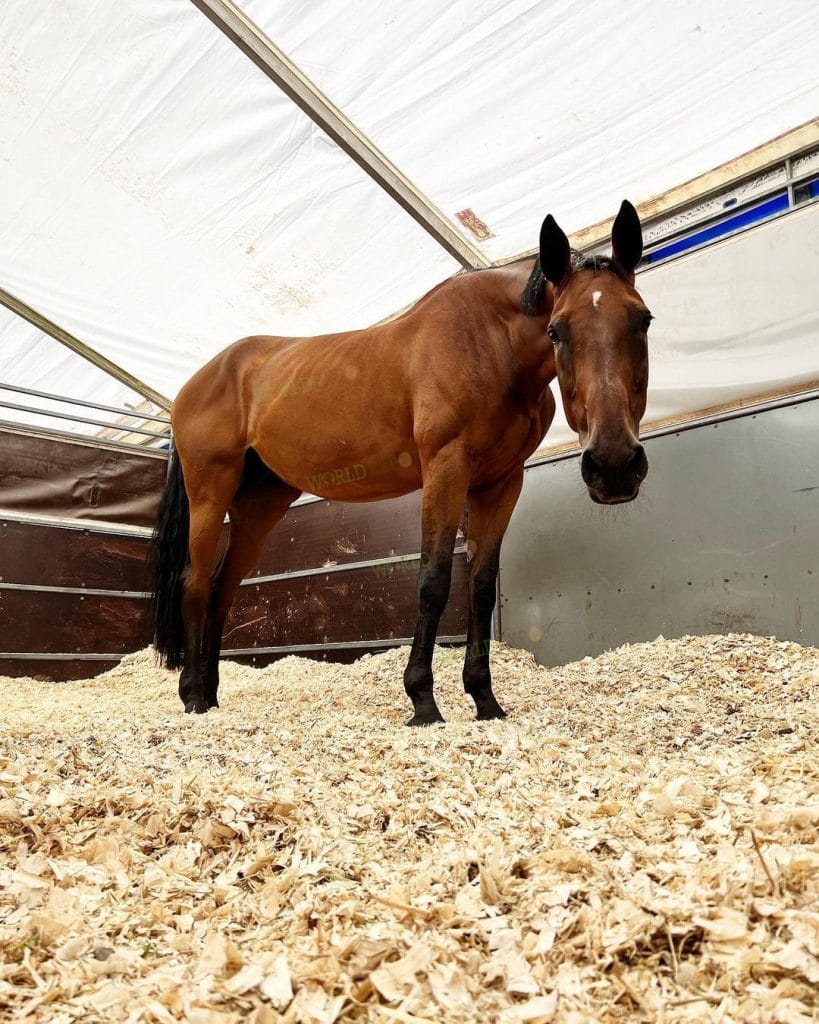
The ease of your daily chores is directly linked to what you put on the floor. When you how to clean a horse stable, the material’s absorbency and “clumping” ability make all the difference.
Wood shavings have become the industry favorite for several reasons:
Superior Absorbency: Premium shavings act like a sponge, trapping urine in a small area rather than letting it spread across the stall floor. This makes “wet spots” easier to locate and remove.
Ammonia Control: High-quality wood shavings are better at neutralizing the pungent smell of urea, which protects both the horse’s lungs and the owner’s comfort.
Dust Suppression: Unlike straw or poor-quality sawdust, kiln-dried shavings are screened to remove dust, which is vital for everyday biosecurity for horse owners.
Investing in better bedding might seem more expensive initially, but because it lasts longer and reduces waste, it often proves to be the most cost-effective solution in the long run.
=> Explore the full range of pine wood shavings offered by World Export here.
How can you maintain a dry and odor-free stall between cleanings?
Maintenance doesn’t stop once the manure is gone. To keep the environment pristine:
Use Stall Dryers: After removing a wet spot, sprinkle a bit of specialized stable lime or an odor-neutralizing powder to help dry the floor and kill bacteria.
Check the Corners: Horses often hide “presents” under clean bedding in the corners. Make it a habit to toss the bedding around once a week to ensure no dampness is trapped underneath.
Maintain the “Bank”: Keeping extra bedding piled against the walls (banking) prevents the horse from getting “cast” (stuck) against the wall and provides a reserve of clean material to pull from.
Where can you find a reliable bulk horse bedding supply partner?
Managing large-scale stables or distribution networks requires more than just knowing how to clean; it requires supply stability and logistics optimization. This is where World Export steps in as your professional partner.
We understand that for large farms, the question isn’t just about “how often to clean,” but how to maintain a consistent stock of high-quality material to ensure top-tier hygiene. World Export offers a comprehensive wood shavings solution tailored for large distributors and professional equine facilities:
Logistics Optimization: We provide flexible packaging options to help you control costs and storage efficiency:
Jumbo Bags: 500-600 kg with pallets (24 tons/40HC; 40–48 bags per container) – Ideal for heavy-duty consumption and mechanized handling.
Plastic Bags (Bulk): 20 kg bags (Approx. 1,200-1,300 bags; ~20 tons/40HC) – Perfect for easy manual handling and individual stall portions.
Plastic Bags (Pallet): 20 kg bags wrapped by PE (40 pallets; 960 bags/container) – Best for organized warehouse storage and easy retail transport.

So, how often should horse stalls be cleaned? The answer is: as often as it takes to keep the environment dry, dust-free, and smelling fresh – which usually means once a day. By establishing a solid routine, choosing the right tools, and utilizing high-quality bedding, you can turn a tedious chore into a rewarding part of your horse care regimen.
Ready to optimize your stable management? Make the switch today to a bedding solution that reflects your commitment to equine excellence. Contact World Export today to receive detailed product information and a competitive quotation tailored to your bulk horse bedding needs. Let’s build a healthier environment for your horses together!
=> To learn more about our full product range, please contact us or fill out the form.