






When you care for horses, ensuring their health involves more than just good feed and exercise. The heart of proper equine care lies in maintaining biosecurity practices that protect your horses from infectious diseases and threats. In this comprehensive guide, we’ll explore Biosecurity Tips for Horse Owners that can make a vital difference in your farm’s safety. By adopting these strategies, you’ll safeguard your horses, your reputation, and your peace of mind.
Why Is Biosecurity Important for Your Horse Stable?
Understanding the significance of biosecurity is crucial for every horse owner. Horses are vulnerable to a multitude of infectious diseases, many of which can spread rapidly if not prevented. Proper biosecurity measures minimize the risk of disease transmission, ensuring a healthy, resilient herd.
Without effective biosecurity, even a single sick horse can lead to an outbreak affecting the entire farm. This impacts not only the well-being of your horses but also your finances and reputation. Therefore, recognizing the importance of maintaining a high level of biosecurity helps you proactively prevent disease introduction and spread.
Additionally, in a competitive or show environment where horses are frequently transported, biosecurity becomes an even more critical factor. It acts as a safeguard against the diverse pathogens encountered in different locations, managing the risks of cross-contamination and outbreaks.

Common Infectious Diseases in Horses You Should Know
Awareness about prevalent equine illnesses helps underline why biosecurity tips horse owners should prioritize protection. Some common infectious diseases include:
Equine Influenza: A highly contagious respiratory virus, easily spread through coughing, contaminated equipment, or shared stalls. Outbreaks can lead to fever, cough, and decreased performance.
Strangles: A caused by Streptococcus equi, this bacterial infection causes abscesses in lymph nodes and is often transmitted via shared grooming equipment or water sources.
Equine Herpesvirus (EHV): A complex virus with different strains affecting respiratory health, causing neurological issues and abortion in pregnant mares.
Salmonellosis: A bacterial infection that results in severe diarrhea, which can spread rapidly, especially in unsanitary conditions.
Respiratory and gastrointestinal infections, which can be exacerbated by poor hygiene or contaminated shared spaces.
Understanding these diseases underscores the necessity for strict biosecurity practices. Preventative measures effectively reduce contact with and transmission of these pathogens, ensuring your horses remain healthy.
Potential Threats to Your Farm’s Biosecurity
Every horse farm faces unique biosecurity threats. These include both external and internal risks that can compromise your herd’s health if not properly managed.
External threats include visitors, trucks, and neighboring farms. Visitors bringing in contaminated equipment or shoes pose a significant risk, especially if they haven’t followed proper protocols. Neighboring farms experiencing outbreaks can also lead to airborne or vector transmission.
Internal threats often originate from within the farm—such as contaminated feed, water, or bedding, and infected staff or horses. Failure to observe proper sanitation or quarantine procedures can facilitate rapid disease spread.
Unseen vectors like insects or rodents carrying pathogens also threaten biosecurity. Recognizing these diverse risk factors helps you implement effective barriers. Vigilance and proactive measures are vital to minimizing these threats.
How to Protect Your Stable: Biosecurity Tips for Horse Owners
Consistent application of biosecurity practices can significantly reduce disease risks. These Everyday biosecurity for Horse Owners should become routine, fostering a culture of safety on your farm.
Establish a Quarantine Protocol for New Arrivals
One of the most effective strategies for biosecurity tips horse owners is quarantine. A well-defined quarantine process helps prevent the introduction of new or returning horses carrying unseen health issues. Ideally, new horses should be housed separately for a minimum of 14-30 days, during which they are monitored for signs of illness.
Monitoring during quarantine includes temperature checks, observing for coughing, nasal discharge, or diarrhea. This phase allows time for any latent illnesses to manifest, enabling health professionals to diagnose and treat early. Proper quarantine protocols reduce the risk of exposing your existing herd to infectious diseases.
It’s not just about physical separation, use dedicated equipment, boots, and clothing around quarantined horses. This minimizes cross-contamination. Clear documentation and consistent monitoring are critical components of an effective quarantine system.
The Foundation of Hygiene: High-Quality Wood Shavings for Bedding
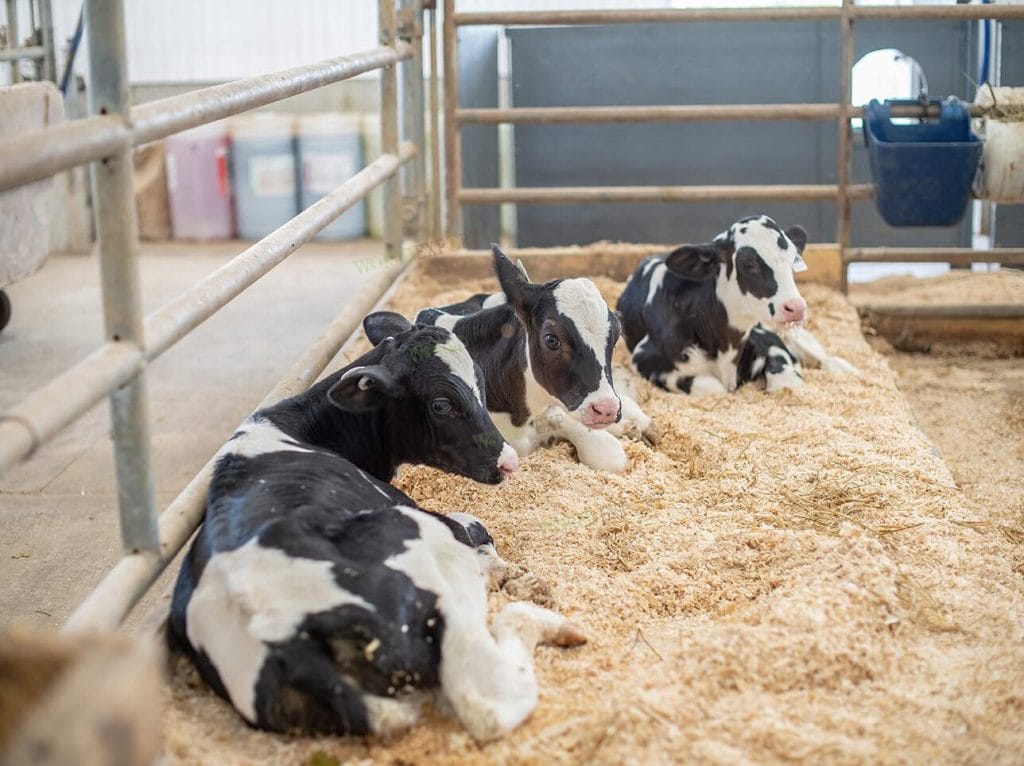
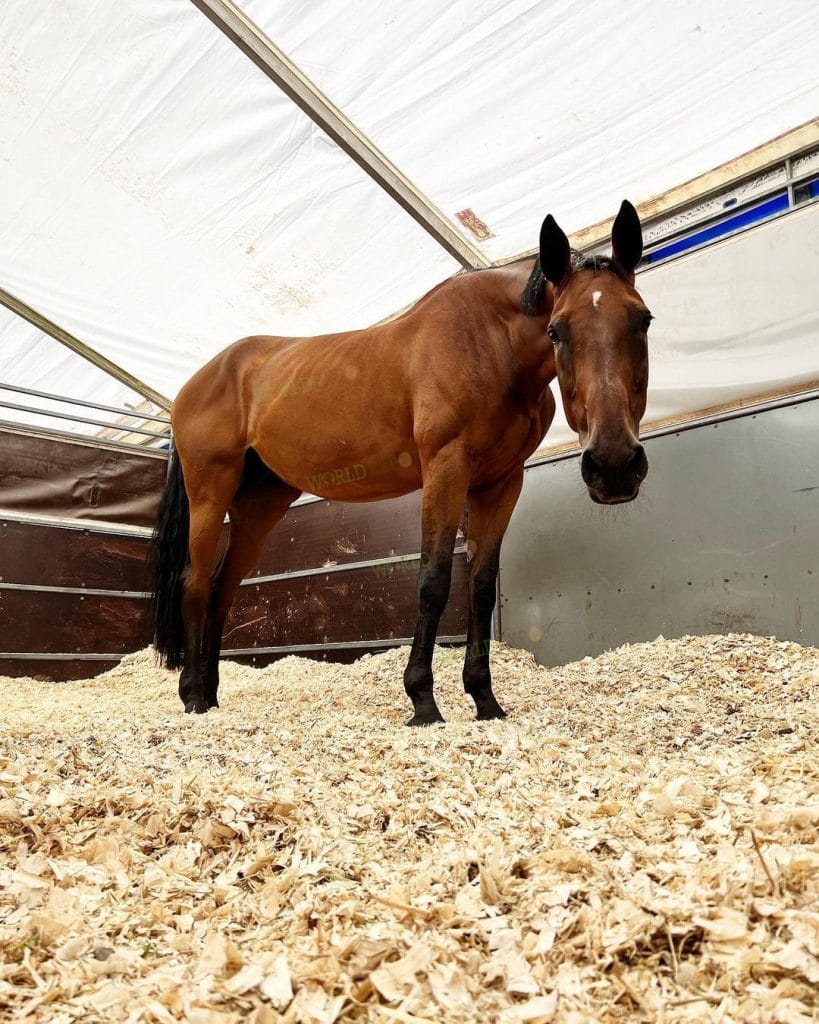
Hygiene plays a pivotal role in biosecurity. Bedding, especially, can harbor pathogens if not managed properly. Using high-quality wood shavings offers superior absorbency and promotes cleaner stalls, reducing the risk of bacterial and fungal growth.

=> Explore High-quality Wood shavings from World Export
=> Explore Large flake wood shavings from World Export designed for premium Horse stable
Good bedding practices include regular removal and replacement, minimizing ammonia build-up, and preventing a dusty environment that could compromise respiratory health. Ensure that bedding is spread evenly to facilitate drying and aeration.
Beyond bedding, regularly cleaning stalls, feeders, and water buckets helps prevent disease reservoirs. A clean environment discourages the proliferation of pathogens. Investing in quality bedding makes a tangible difference in maintaining everyday biosecurity standards.
Cleaning and Disinfection Routine – Horse Farm Safety Tips for Travel and Competitions
Maintaining rigorous cleaning and disinfection routines is fundamental for Horse Farm Safety Tips, especially when horses travel for competitions or visits. Proper sanitation reduces pathogen load in shared spaces and equipment, lowering infection risks.
Before embarking on travel or after returning, thoroughly disinfect tack, grooming tools, buckets, and riding gear. Use effective disinfectants approved for veterinary use, following the manufacturer’s instructions. Dilution ratios, contact time, and frequency are critical to ensuring disinfectant efficacy.
At competitions, housing and transport pose additional risks. Always use clean, disinfected trailers, avoid sharing equipment among horses, and designate specific gear for each animal. Providing hand washing stations and encouraging their use ensures everyone maintains personal hygiene and limits contamination.
Post-event, invest time in deep cleaning the trailer and equipment, and quarantine horses returning from events. These biosecurity tips for horse owners can prevent the introduction of new pathogens and safeguard your herd’s health.
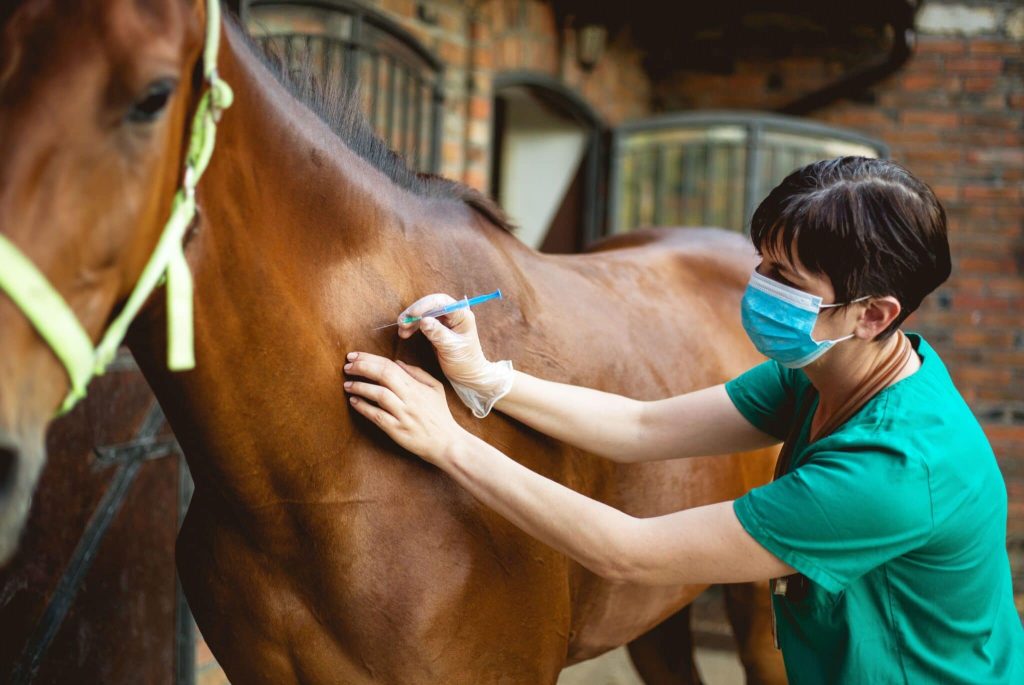
Conclusion
Implementing solid biosecurity tips for horse owners is essential for building a healthy, thriving farm environment. By understanding common diseases, recognizing potential threats, and integrating routines like quarantine, hygiene, cleaning, and disinfection practices, you create a robust barrier against infection. These practices ultimately preserve your horses’ health, ensure your farm’s reputation, and allow you to enjoy the joys of horse ownership with confidence and security. Consistent, proactive efforts in Everyday biosecurity for Horse Owners will reinforce your commitment to your animals’ well-being and the safety of your farm community.
Contact us today to receive detailed product information and a customized quotation tailored to your needs.
WORLD EXPORT COMPANY LIMITED
No. 35, Street 12, Van Phuc 1 Residential Area, Quarter 5, Hiep Binh Ward, Ho Chi Minh City, Vietnam
Tel / Whatsapp / Kakaotalk: +84 932 632 317
Email: supportwe@worldexport.com.vn
Facebook: https://www.facebook.com/worldexport2017