





عند استكشاف عالم النشويات، وخاصةً في مجال تصنيع الأغذية على نطاق واسع، والتطبيقات الصناعية، أو حتى الاعتبارات الغذائية، يبرز مصطلحان رئيسيان في النقاش: نشا الكسافا مقابل النشا المعدل. تؤثر هذه المكونات الفريدة بشكل كبير على الملمس النهائي، وفترة الصلاحية، وكفاءة المعالجة الإجمالية للمنتج.
يُعدّ فهم الفروقات الدقيقة بين نشا الكسافا والنشا المُعدّل أمرًا بالغ الأهمية للمصنّعين والطهاة المحترفين والمستهلكين الواعين لاختيار الحل الأمثل الذي يلبي احتياجاتهم الخاصة. تتناول هذه المقالة هذه المواد بالتفصيل، وتقارن خصائصها، وتوضّح ماهية نشا الكسافا، وما هو النشا المُعدّل، وتستكشف التطبيقات الواسعة لنشا التابيوكا.
نشا الكسافا مقابل النشا المعدل: الأصل والوظيفة
يدور النقاش بين نشا الكسافا والنشا المعدل حول أصلهما وطرق معالجتهما وأدائهما الوظيفي تحت الضغط.
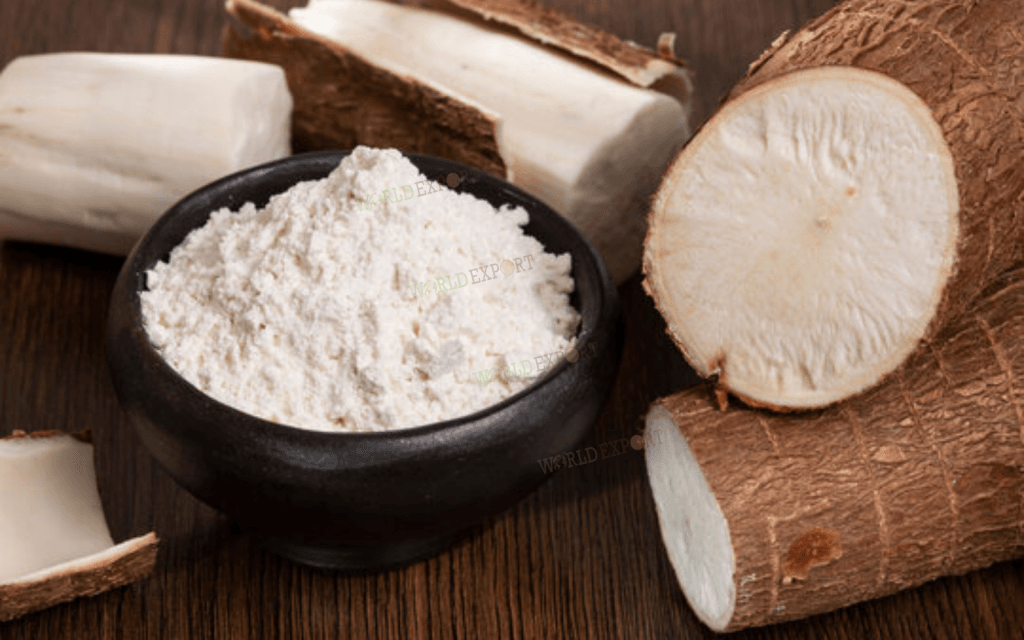
– الخصائص الأصلية: يُستخلص نشا الكسافا مباشرة من جذر نبات الكسافا (ماني هوت إسكولينتايُقدّر هذا المنتج لنقائه الطبيعي، وطعمه المحايد، وشفافيته الممتازة. للاطلاع على عملية الاستخلاص المتقدمة لدينا وكيفية الحفاظ على نقاء 100% الطبيعي، يُرجى زيارة شاهدوا فيديو الإنتاج الخاص بنا على يوتيوب.
– أداء مُهندس: من جهة أخرى، يتضمن النشا المعدل تعديلات كيميائية أو فيزيائية أو إنزيمية على النشا الطبيعي. هذه التعديلات - التي يمكن تطبيقها على الذرة أو البطاطس أو الكسافا - مصممة لتحسين خصائص محددة مثل القدرة على التكثيف، ومقاومة الحرارة العالية، أو الثبات في الوسط الحمضي.
من الناحية العملية، غالباً ما يفضل النوع الأول في المنتجات "النظيفة" والخالية من الغلوتين، بينما يعتبر النوع الثاني بالغ الأهمية في معالجة الأغذية الصناعية حيث يكون الاستقرار أثناء التخزين طويل الأجل أو الخلط عالي القص أمراً بالغ الأهمية.

ما هو نشا الكسافا؟ مصدر الطاقة الطبيعي
إذا كنت تتساءل عن ماهية نشا الكسافا، فهو في الأساس كربوهيدرات طبيعية تُستخلص عبر سلسلة من عمليات الغسل والبشر والتكرير. والمنتج الناتج عبارة عن مسحوق أبيض ناصع عديم الرائحة ذو نكهة محايدة لا تؤثر على النكهات الرقيقة لمكونات الطعام.
فوائد الشكل الأصلي
– خالٍ من الغلوتين: إنه لا يقدر بثمن في تركيبات الأطعمة الصحية والمخبوزات الخالية من الغلوتين.
– وضوح عالٍ: يشكل مواد هلامية شفافة، مما يجعله مثالياً للصلصات اللامعة وحشوات الفاكهة.
- صديق للبيئة: الكسافا محصول مرن ومقاوم للجفاف، مما يجعل نشاه خيارًا مستدامًا للمنتجين المهتمين بالبيئة.
بالنسبة للشركات التي تبحث عن مواد طبيعية عالية النقاء ذات لزوجة ثابتة، يمكنك اكتشف مواصفات منتجنا المتميز من نشا التابيوكا هنا.
ما هو النشا المعدل؟ حلول مصممة خصيصًا
للإجابة على سؤال ما هو النشا المعدل، يجب أن ننظر إليه كمكون "مصمم خصيصًا". غالبًا ما يكون للنشا الطبيعي قيود؛ على سبيل المثال، قد يفقد قدرته على التكثيف عند تجميده أو يتحلل في بيئات شديدة الحموضة (مثل صلصة الليمون).
أنواع التعديلات الشائعة
– الربط المتشابك: يقوي حبيبات النشا حتى لا تتمزق أثناء الطهي على درجة حرارة عالية.
– التثبيت (الأسيتلة): يمنع "التسرب" أو انفصال الماء في الأطعمة المجمدة.
- مرحلة ما قبل التجلتن: يسمح ذلك للنشا بالتكاثف في الماء البارد دون غليه.
باختصار، يمثل النشا المعدل نقطة التقاء علوم الأغذية والتصنيع - حيث يقوم بتغيير التركيب الجزيئي للطبيعة لتقديم أداء ثابت في البيئات الصناعية الصعبة.
فهم نشا التابيوكا في الصناعة الحديثة
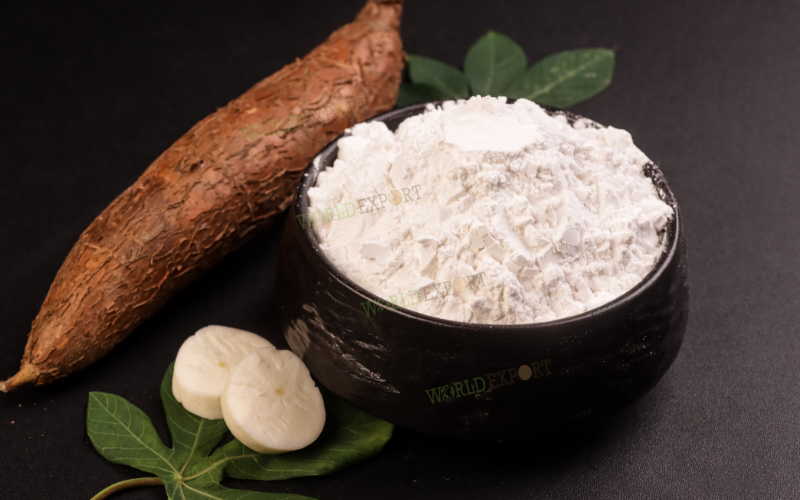
يُستخدم نشا التابيوكا غالبًا كمرادف لنشا الكسافا الأصلي. في المجال الصناعي، يُقدّر نشا التابيوكا لقوته العالية في تكوين الهلام وشفافيته. وهو الخيار المفضل في العديد من الصناعات، بدءًا من الحلويات الفاخرة ولآلئ شاي الفقاعات، وصولًا إلى المواد اللاصقة الصناعية وتجهيز المنسوجات.
من الملاحظات المهمة أن نشا التابيوكا، رغم كفاءته العالية بطبيعته، يُستخدم غالبًا كأساس للعديد من المنتجات المُعدّلة. فبتطبيق التعديلات المذكورة سابقًا على قاعدة التابيوكا، يستطيع المصنّعون إنتاج منتج يحافظ على نكهة الكسافا النقية، ولكنه يكتسب في الوقت نفسه متانة النشا المُصنّع. هذه المرونة تجعله مكونًا موثوقًا به في كلٍ من المطبخ والمصنع.
مصفوفة القرار: اختيار النشا المناسب
عند الاختيار بين نشا الكسافا والنشا المعدل، يجب على المصنعين تقييم ظروف المعالجة الخاصة بهم:
– اختر المنتج المحلي (الكسافا/التابيوكا) إذا: أنت تستهدف سوق "المنتجات الطبيعية" أو "المنتجات ذات العلامات النظيفة"، أو إذا كانت عملية الطهي لديك لطيفة.
– اختر "معدل" إذا: يتعرض منتجك لتغيرات شديدة في درجة الحرارة (التجميد/التعليب)، أو يكون لديه درجة حموضة منخفضة للغاية، أو يحتاج إلى فترة صلاحية تزيد عن 12 شهرًا.
إن فهم ماهية نشا الكسافا وما هو النشا المعدل يساعد على التخلص من التخمين، مما يضمن أن المنتج النهائي يحافظ على قوامه المقصود من المصنع إلى مائدة المستهلك.
خاتمة
باختصار، تشمل المقارنة بين نشا الكسافا والنشا المُعدَّل طيفًا واسعًا من الاختلافات التي تنبع من المصدر والمعالجة والاستخدام. فبينما يوفر نشا التابيوكا الطبيعي نقاءً وحياديةً واستخلاصًا صديقًا للبيئة، يُقدِّم النشا المُعدَّل الوظائف المُحسَّنة اللازمة لتلبية الاحتياجات الصناعية المعقدة. ومع تطور صناعة الأغذية، تُبرز القدرة على الاختيار بين هذين النوعين - أو استخدامهما معًا - التقدم الذي أحرزه علم الأغذية الحديث في تقديم حلول متطورة للاحتياجات العالمية.
تُعدّ شركة وورلد إكسبورت كيانًا عالميًا موثوقًا به في توريد نشا التابيوكا عالي الجودة في فيتنام. نتخصص في توفير كلٍ من النشا الطبيعي عالي النقاء وحلول النشا المتطورة، مما يضمن أسعارًا تنافسية، وشحنًا مرنًا بكميات كبيرة، وتسليمًا موثوقًا به في جميع أنحاء العالم. وبصفتنا مُصدِّرًا رائدًا، فإننا نستفيد من موارد الكسافا الوفيرة في فيتنام لخدمة قطاعات متنوعة تشمل الأغذية والمشروبات، وصناعة الورق، والمنسوجات. ويضمن التزامنا بالجودة أن كل شحنة تفي بالمعايير الدولية، مما يوفر لكم إمدادًا ثابتًا ومستدامًا.
اتصل بنا اليوم للحصول على معلومات مفصلة عن المنتج وأحدث عرض أسعار مصمم خصيصًا لتلبية احتياجاتك!
شركة التصدير العالمية المحدودة
عنوان: رقم 35، شارع 12، منطقة فان فوك 1 السكنية، الربع 5، هيب بينه وارد، مدينة هوشي منه، فيتنام
هاتف / واتساب / كاكاو توك: +84 932 632 317
بريد إلكتروني: supportwe@worldexport.com.vn