




When delving into the world of culinary ingredients and food processing, the debate between corn starch vs tapioca starch often emerges as a fascinating topic. Both of these starches are ubiquitous in kitchens and factories worldwide, yet they each boast unique properties, applications, and origins.
Understanding their differences is not merely academic, it is essential for chefs, food manufacturers, and home cooks seeking the best thickening agent or texturizer for their recipes. In this comprehensive exploration, we will uncover the nuances of tapioca starch processing, examine how cassava starch used in cooking plays a vital role in global cuisines, and highlight practical insights that will influence your culinary and manufacturing choices.
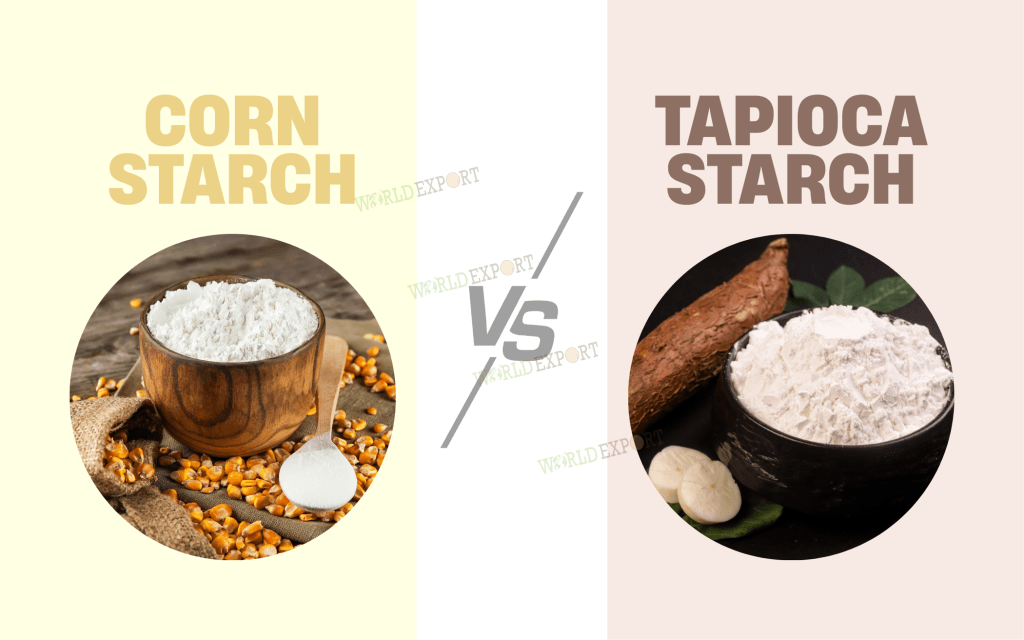
Corn Starch vs Tapioca Starch: Key Differences and Origins
The comparison of corn starch vs tapioca starch might seem straightforward at first glance, but a deeper look reveals significant distinctions. These differences impact their behavior in food preparation, shelf life, and even nutritional content.
Botanical Origins and Extraction
At the core, these are both carbohydrate-rich powders, but their plant sources are worlds apart. Corn starch is extracted from corn kernels, specifically the endosperm, through a process of wet milling and refining. Conversely, tapioca starch is derived from the root of the cassava plant—a tuber native to South America and widely grown in Southeast Asia. To see the scale of our extraction and how we maintain the highest purity, you can watch our production video on YouTube.
Functional Behavior in Food
– Clarity and Gloss: Corn starch tends to be more opaque and has a matte finish. Tapioca starch, however, shines in recipes requiring transparency and a glossy finish, such as fruit pie fillings or translucent sauces.
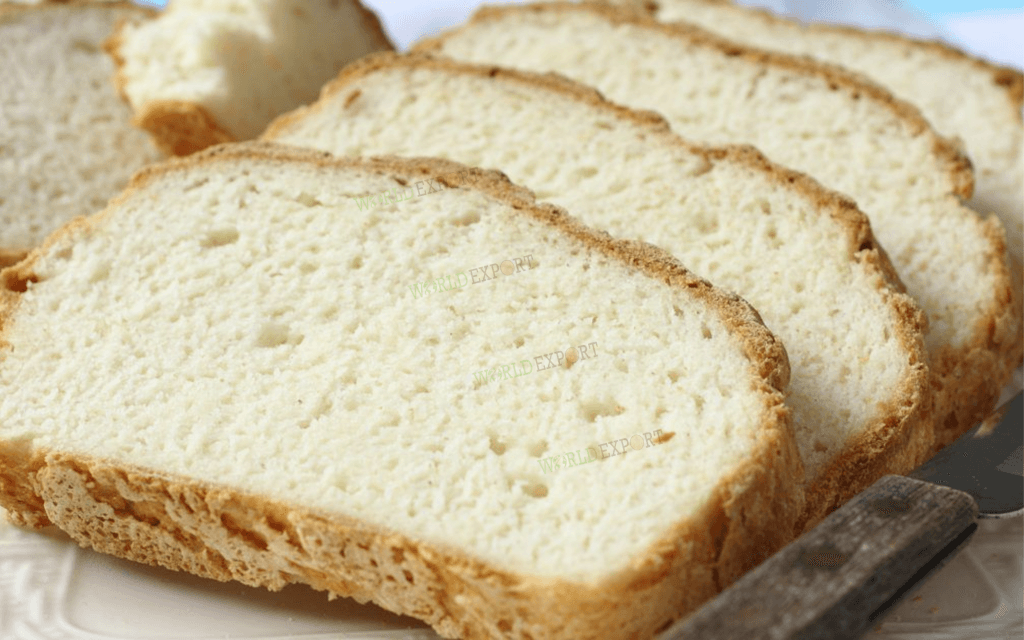
– Texture and Elasticity: While corn starch provides a firm, somewhat rigid gel, tapioca is famous for its elasticity. This makes it a primary choice for cassava starch used in cooking items like bubble tea pearls or chewy gluten-free bread.
– Freezing Stability: Tapioca starch handles freezing and thawing much better than corn starch, which can become spongy or “weep” liquid after being frozen.
The Intricate Art of Tapioca Starch Processing
Tapioca starch processing is a meticulous science that begins with harvesting mature cassava roots at the peak of their starch content. In countries like Vietnam, where the industry is highly advanced, the journey from root to powder is governed by strict quality protocols.
From Raw Root to Refined Powder
The roots are washed thoroughly, peeled, and then crushed to extract the starchy pulp. This processed mash is mixed with water to loosen the starch particles, which are then separated through sedimentation or high-speed centrifugation. The extracted starch slurry is washed multiple times to remove impurities and finally dried using flash-drying technology to produce the fine, white powder we recognize.
Maintaining Native Properties
Modern tapioca starch processing is designed to maintain the native properties of the starch molecule. This explains why it excels at providing that unique “stretch” and glossy finish in culinary applications. For manufacturers looking for high-performing materials with consistent viscosity, For manufacturers seeking high-performance materials with consistent viscosity, Tapioca Starch is an excellent option to consider. The focus on quality control ensures that the final products meet strict international standards of purity and performance.
The Versatility of Cassava Starch Used in Cooking
Cassava starch used in cooking is a cornerstone in many cuisines—particularly in Latin America, Southeast Asia, and Africa. Its neutral flavor ensures that it doesn’t overpower the main ingredients, allowing its textural contributions to shine.
Gluten-Free and Vegan Innovations
In modern diet trends, cassava starch used in cooking has become a savior for gluten-free and vegan recipes. It provides the elasticity and “chew” that is often missing when wheat gluten is removed. Chefs often mix it with other flours to create pancakes, noodles, or breads that are both nutritious and structurally sound. Its ability to mimic certain gluten-like qualities makes it invaluable for plant-based cuisine, where it acts as an effective binder without the need for eggs.
Sustainability and Environmental Resilience
Beyond its culinary traits, cassava is a highly sustainable, drought-tolerant crop. It requires significantly less water and fewer pesticides compared to corn. This environmental resilience makes cassava starch used in cooking a compelling choice for eco-conscious producers aiming to reduce their environmental footprint.
When to Use Which? Practical Culinary Guidelines
Choosing between corn starch vs tapioca starch depends on your specific goal:
– High-Heat Cooking: Corn starch is generally better for recipes that require long boiling times.
– Acidic Ingredients: Tapioca starch holds up better in acidic environments (like lemon or berry fillings).
– Translucency: If you want a clear, shiny sauce, tapioca is the winner. If you want a thick, creamy soup (like a chowder), corn starch is more traditional.
Understanding these elements empowers you to select the ideal ingredient for every situation, from making a silky pudding to creating high-performance packaged ingredients.
Conclusion
In summary, understanding the distinctions of corn starch vs tapioca starch reveals much about their processing methods and culinary potential. While corn starch provides opacity and a firm structure, tapioca offers unique elasticity and clarity. The meticulous tapioca starch processing ensures a high-quality ingredient that enhances the sensory and functional qualities of many dishes.
Recognizing how cassava starch used in cooking can transform recipes, especially in the growing gluten-free and vegan sectors—demonstrates the importance of choosing the right starch to meet sustainability and performance standards.
World Export is a trusted global entity in the supply of premium tapioca starch in Vietnam. We specialize in providing high-purity starch solutions, ensuring competitive pricing, flexible bulk shipping, and reliable delivery worldwide. Our advanced tapioca starch processing techniques allow us to serve a wide range of industries, from food and beverage to high-tech manufacturing. With a commitment to sustainability and quality, we are your preferred partner for sourcing the best starch products from the heart of Vietnam’s agricultural hub.
Contact us today to receive detailed product information and the latest quotation tailored to your needs!
WORLD EXPORT COMPANY LIMITED
Address: No. 35, Street 12, Van Phuc 1 Residential Area, Quarter 5, Hiep Binh Ward, Ho Chi Minh City, Vietnam
Tel / Whatsapp / Kakao Talk: +84 932 632 317
Email: supportwe@worldexport.com.vn
