






An industrial steam boiler is a critical component in manufacturing, providing the high-pressure energy needed to power turbines and heat systems. As global energy demands evolve, modern plants are increasingly integrating renewable sources like wood pellets into their operations. This strategic shift not only enhances boiler efficiency but also promotes long-term sustainable practices for heavy industries.
The Technical Backbone: Understanding the Industrial Steam Boiler
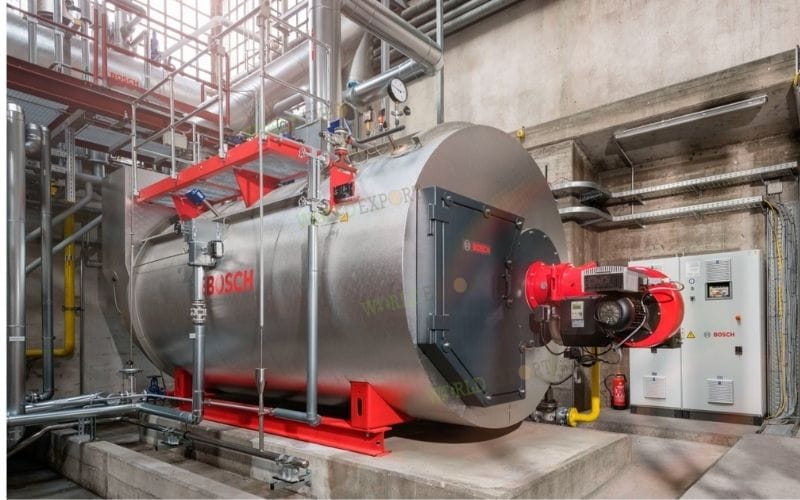
A high-pressure vessel is designed to convert water into steam through the application of heat. Whether it is a fire-tube or water-tube design, the core objective of an industrial boiler remains the same: maximizing energy transfer while maintaining safety and reliability.
How it Powers Modern Industry
The steam generated by this generation unit serves three primary functions:
- Process Heating: Used in chemical plants and refineries to trigger and sustain reactions.
- Mechanical Power: Driving turbines for electricity generation or large-scale mechanical movement.
- Atomization: Assisting in the breakdown of heavy fluids in various industrial cleaning and processing tasks.
Innovations in steam generation technology, such as automated oxygen sensors and variable speed drives, have made it possible for factories to achieve unprecedented precision. However, the hardware is only half of the equation; the fuel source determines the system’s long-term sustainability and economic viability.
The Strategic Shift: Transitioning to Wood Pellets
For decades, fossil fuels were the default choice due to their high energy density. However, wood pellets have emerged as a superior, carbon-neutral alternative that matches the performance of traditional fuels without the environmental tax.
Why Industries are Choosing Biomass
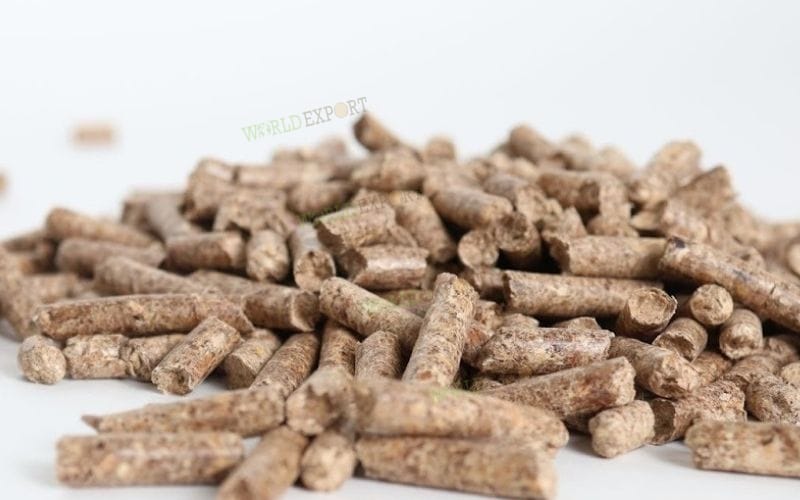
These compacted biofuels are produced by high-pressure compression of sawdust and forestry residues. This process activates natural lignin, binding the fibers into a dense, uniform energy source. Switching to biomass feedstock helps industries avoid heavy carbon penalties and qualify for ‘green’ subsidies.
- Standardization: Unlike raw wood chips, pellets have a consistent moisture content (usually <10%), which is vital for maintaining a stable flame in a wood pellet boiler.
- Hiệu quả hậu cần: Their high bulk density allows for cost-effective long-distance shipping and automated storage in silos.
- Regulatory Compliance: As carbon taxes increase globally, switching to renewable alternatives helps industries avoid heavy penalties and qualify for “green” subsidies.
For businesses looking to optimize their supply chain, understanding the raw material is key. You can find the detailed technical specifications and packaging information for high-quality mixed pellets from World Export, which are specifically engineered for industrial-scale combustion.
Anatomy of a Modern Biomass Boiler System
A biomass boiler system is not just a furnace; it is a fully integrated energy plant. To successfully transition from fossil fuels, plant managers must understand the components that make these systems reliable.
Key Components of the System
- Fuel Handling & Storage: Automated conveyors or augers that move fuel from silos to the combustion chamber.
- The Combustion Chamber: Designed to handle the unique “gasification” process of biomass.
- Ash Removal Systems: Automated mechanisms that remove minimal ash without shutting down the boiler.
- Flue Gas Cleaning: Advanced filters that ensure emissions meet the strictest air quality standards.
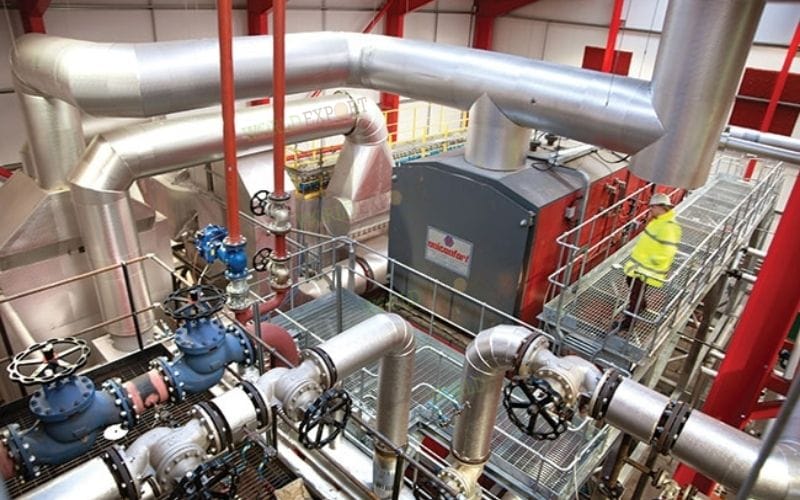
Implementing a renewable thermal plant requires a deep understanding of fuel logistics. When properly designed, these thermal installations offer a seamless operation that rivals the convenience of natural gas while providing price stability.
Maximizing Energy Output with a Wood Pellet Boiler
A dedicated unit is tuned to the specific burning characteristics of compressed wood. One of the primary advantages of this wood pellet boiler is the use of Lambda sensors to measure oxygen levels and adjust ratios in milliseconds.
Advantages of Specialized Equipment
- Precision Combustion: Modern units use “Lambda sensors” to measure oxygen levels in the flue gas, adjusting the air-to-fuel ratio in milliseconds.
- Modulation Capabilities: A high-end wood pellet boiler can “turn down” its output during low-demand periods without losing significant efficiency, a feature that older coal boilers lack.
- Sustainability: By utilizing a renewable resource, industries can claim a carbon-neutral energy cycle, which is becoming a critical requirement for ESG (Environmental, Social, and Governance) reporting.
The integration of heat recovery technology, such as condensing economizers, within the combustion unit can push thermal efficiency levels above 90%, ensuring that every cent spent on fuel is converted into productive energy.
The Economics of Boiler Efficiency
In the industrial sector, boiler efficiency is often the difference between profit and loss. A 1% increase in efficiency can lead to tens of thousands of dollars in annual fuel savings for a medium-sized facility.
Factors Influencing Efficiency
To truly maximize thermal performance, operators must monitor four critical areas:
- Stack Temperature: Excessive heat leaving through the chimney indicates poor heat exchange.
- Excess Air: Too much air cools the furnace, while too little air leads to incomplete combustion and soot buildup.
- Radiation and Convection Losses: High-quality insulation is essential to keep the heat inside the vessel.
- Fuel Quality: Using standardized biofuel cylinders ensures a consistent “calorific value,” preventing the temperature fluctuations that plague lower-quality fuel sources.
Future-Proofing with Intelligent Maintenance
The future of boiler efficiency lies in digitalization. Industries are now adopting “Predictive Maintenance” using IoT-enabled sensors. These sensors monitor vibration, temperature, and pressure in the vessel, alerting engineers to potential failures before they cause an expensive shutdown.
When this specialized equipment is integrated with these smart technologies, it becomes a data-driven energy asset. This allows for “real-time optimization,” where the system automatically adjusts to changes in fuel moisture or steam demand, ensuring peak performance 24/7.
Conclusion: Leading the Green Industrial Revolution
The move toward integrating renewable resources like wood pellets and advanced biomass boiler system technology marks a pivotal shift for global industries. These innovations ensure that the industrial steam boiler remains a reliable, clean, and highly efficient energy solution for the future. By prioritizing boiler efficiency, businesses can achieve a perfect balance between operational excellence and environmental responsibility.
World Export is proud to be the market-leading supplier in Vietnam, ready to meet your high-volume biomass energy requirements with premium quality and professional service. We specialize in providing tailored solutions that help heavy industries transition away from fossil fuels with confidence.
Join our Official WhatsApp Channel to stay updated with the latest industry news and product insights!
CÔNG TY TNHH XUẤT KHẨU THẾ GIỚI
Số 35, Đường 12, KDC Vạn Phúc 1, Khu phố 5, Phường Hiệp Bình, TP.HCM, Việt Nam
ĐT/ Whatsapp/ Kakao Talk: +84 932 632 317
Email: supportwe@worldexport.com.vn