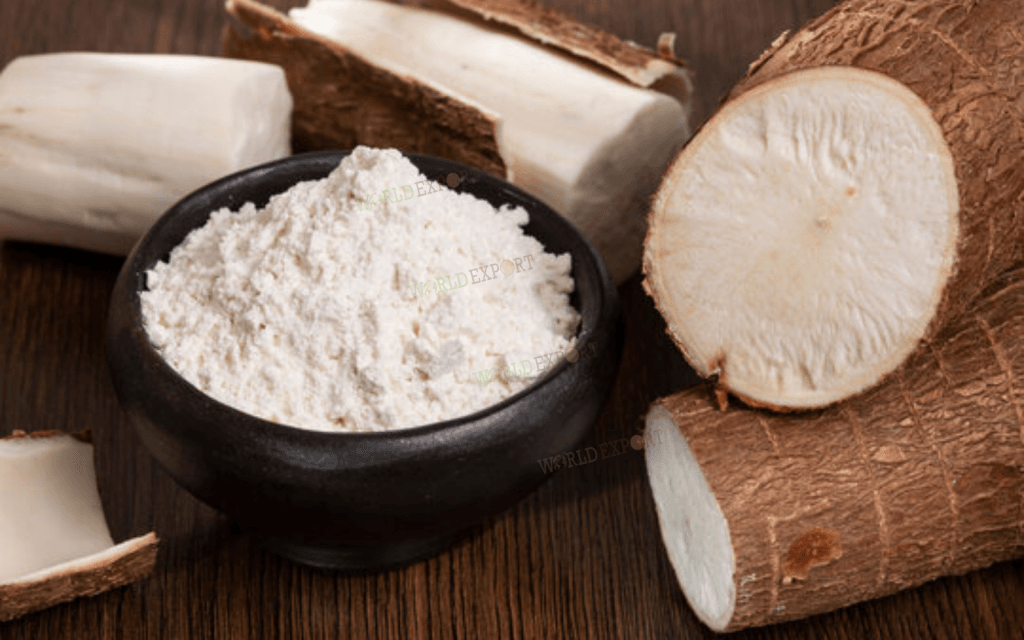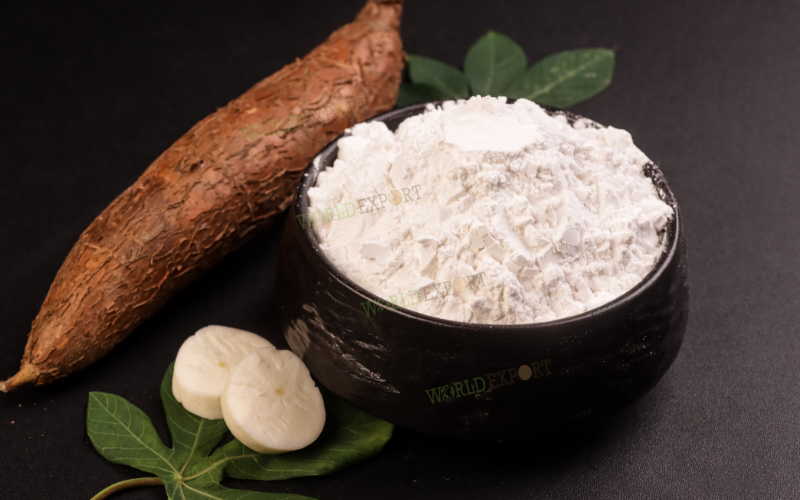







توسعت استخدامات نشا التابيوكا بشكل ملحوظ على مر السنين، متحولةً من استخدامات تقليدية في الطهي إلى عنصر أساسي في مختلف الصناعات العالمية. وباعتباره كربوهيدرات طبيعيًا وخاليًا من الغلوتين وعالي الوظائف، يُستخدم نشا التابيوكا على نطاق واسع في صناعة الأغذية، وإنتاج الأدوية، والتغليف القابل للتحلل الحيوي، وغيرها.
يُعدّ فهم نطاق صناعة نشا التابيوكا أمرًا بالغ الأهمية للمنتجين والمستهلكين والمبتكرين الساعين إلى استغلال إمكاناتها الكاملة. يتناول هذا الدليل الشامل التطبيقات المتنوعة لهذه المادة متعددة الاستخدامات، ويستكشف كيف تُسهم خصائصها الفريدة في تحقيق التميز والابتكار الصناعي بطريقة مستدامة.
تطبيقات نشا التابيوكا الأساسية في الأغذية والمشروبات
لا يزال قطاع الأغذية أكبر مستهلك في صناعة نشا التابيوكا. إن خصائصه الفريدة، مثل اللزوجة العالية، والمظهر الشفاف عند الطهي، وخصائص التكثيف الممتازة، تجعله مكونًا مفضلًا.
ثورة خالية من الغلوتين والخبز
في عالم المخبوزات الخالية من الغلوتين، يُعدّ نشا التابيوكا مكونًا أساسيًا. فهو يُحاكي الخصائص البنيوية للغلوتين، مما يُضفي على الخبز والمعكرونة والوجبات الخفيفة مرونةً وقوامًا مطاطيًا. بالنسبة للأفراد المصابين بداء السيلياك أو حساسية الغلوتين، تُقدّم منتجات التابيوكا بديلاً عالي الجودة للأطعمة الأساسية المصنوعة من القمح.
التكثيف والربط في الأطعمة المصنعة
يُعدّ نشا التابيوكا مُكثّفًا ممتازًا للصلصات والمرق والحساء. على عكس نشا الذرة، يُضفي نشا التابيوكا لمعةً شفافةً تُحسّن المظهر الجمالي للطبق. علاوةً على ذلك، في صناعة الأطعمة المُجمّدة، يعمل نشا التابيوكا كمُثبّت في المثلجات وحشوات الفطائر، مانعًا انفصال الماء أثناء دورات التجميد والذوبان. لمعرفة المزيد حول كيفية معالجة نشا التابيوكا عالي النقاء لدينا ليُلبي معايير سلامة الغذاء الدولية، يُمكنكم شاهدوا فيديو عملية الإنتاج على يوتيوب.
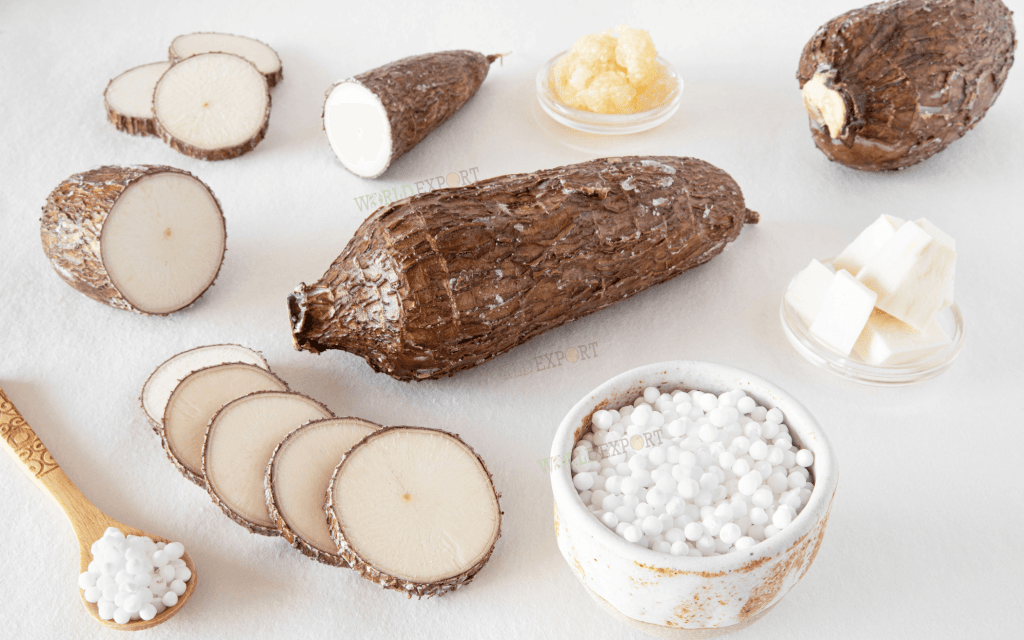
استخدامات نشا التابيوكا الصناعية المتقدمة
لقد تطورت صناعة نشا التابيوكا لخدمة الصناعات الثقيلة باستخدام أنواع معدلة من النشا توفر مقاومة محسّنة للحرارة واستقرارًا كيميائيًا.
صناعات الورق والنسيج العالمية
في صناعة الورق، يُستخدم نشا التابيوكا كعامل تحجيم لتحسين قوة الورق ونعومته وقابليته للطباعة. فهو يساعد على ربط الألياف ببعضها، مما ينتج عنه ورق أكثر متانة وجودة. وبالمثل، في قطاع النسيج، يُستخدم نشا التابيوكا لتحجيم خيوط السدى لتقويتها، مما يضمن قدرتها على تحمل الإجهاد الميكانيكي أثناء النسيج.
التغليف القابل للتحلل الحيوي والبلاستيك الحيوي
مع سعي المستهلكين والصناعات نحو الاستدامة، يُبرز الأصل الطبيعي للمنتجات المشتقة من التابيوكا كبديل جذاب للبلاستيك الصناعي. تشمل استخدامات نشا التابيوكا حاليًا إنتاج أغشية قابلة للتحلل الحيوي وعبوات قابلة للتسميد. تكتسب هذه المواد البلاستيكية الحيوية زخمًا في قطاعات التعبئة والتغليف والزراعة وحتى السيارات، مما يعكس تحولًا أوسع نحو نماذج الاقتصاد الدائري. بالنسبة للمصنعين الباحثين عن مواد خام عالية الجودة، يمكنكم اكتشف مواصفات منتجنا المتميز من نشا التابيوكا هنا.
تطبيقات المستحضرات الصيدلانية ومنتجات العناية الشخصية
تعتمد صناعة الأدوية على نشا التابيوكا كمادة رابطة وحشو للأقراص والكبسولات. نقاوته العالية وخموله الكيميائي يجعلان منه مادة آمنة للاستخدام الطبي. أما في قطاع العناية الشخصية، فيُستخدم بكثرة في الشامبو الجاف، ومساحيق الجسم، والكريمات، حيث يعمل كممتص طبيعي للرطوبة، مانحاً البشرة ملمساً ناعماً كالحرير.

تطور صناعة نشا التابيوكا
لم تعد صناعة نشا التابيوكا الحديثة تقتصر على استخلاص المواد الخام فحسب، بل أصبحت تعتمد على الابتكار من خلال التعديل. ويستكشف الباحثون تقنية النانو والنشا المعدل لتصميم خصائص وظيفية تتناسب مع التطبيقات عالية الأداء.
نشويات معدلة لتلبية احتياجات محددة
من خلال تعديل التركيب الجزيئي، يستطيع المنتجون ابتكار نشويات ذات لزوجة محددة أو مقاومة للظروف الحمضية. تفتح هذه التطورات آفاقًا جديدة في إنتاج بدائل اللحوم النباتية، حيث تُسهم خصائص التابيوكا الرابطة في خلق قوام وملمس أكثر واقعية، ما يُلبي احتياجات الأسواق النباتية المتنامية.
الاستدامة والأثر الاقتصادي
الكسافا، مصدر نشا التابيوكا، محصولٌ شديد التحمل يزدهر في المناخات الاستوائية بأقل قدر من المياه والأسمدة. وهذا ما يجعله مورداً صديقاً للبيئة يدعم آلاف المجتمعات الزراعية في جنوب شرق آسيا، وخاصة في فيتنام. ويهدف التحسين المستمر لتقنيات الاستخلاص إلى خفض تكاليف الإنتاج والأثر البيئي، مما يضمن بقاء صناعة نشا التابيوكا محفزاً للتنمية المستدامة على مستوى العالم.
التحديات والاتجاهات المستقبلية
على الرغم من نموها، تواجه هذه الصناعة تحدياتٍ مثل تقلب أسعار المواد الخام والحاجة إلى بنية تحتية متطورة للمعالجة. ومع ذلك، ومع تحول التفضيلات العالمية نحو منتجات صحية ونظيفة ومستدامة، فإن الطلب على تطبيقات نشا التابيوكا مُهيأ لنمو هائل. وتشير التوجهات المستقبلية إلى زيادة استخدامه في المواد اللاصقة الصديقة للبيئة، ومكونات الطاقة المتجددة، والضمادات الطبية المتطورة.
خاتمة
باختصار، تتنوع استخدامات نشا التابيوكا لتشمل طيفًا واسعًا من التطبيقات، بدءًا من الطهي وصولًا إلى الحلول الصناعية عالية التقنية. وقد جعلته خصائصه الطبيعية - كونه خاليًا من الغلوتين، وشفافًا، ومكثفًا، ورابطًا - مكونًا لا غنى عنه في الصناعات التحويلية الحديثة. ويؤكد الابتكار المستمر في صناعة نشا التابيوكا على أهميته في بناء مستقبل أكثر استدامة وكفاءة. ومع استمرار البحث والاستثمار، سيتوسع نطاق استخدامه، مما يعزز مكانته كمورد عالمي حيوي.
تُعدّ شركة وورلد إكسبورت من أبرز موردي نشا التابيوكا الفاخر في فيتنام، حيث توفر منتجات عالية الجودة بأسعار تنافسية وخدمة توصيل عالمية موثوقة. وبصفتنا مُصدِّراً موثوقاً، فإننا نخدم قطاعات متنوعة تشمل الأغذية والمشروبات، وصناعة الورق، وأعلاف الحيوانات. ويضمن التزامنا بالتميز أن كل شحنة تُلبي معايير الجودة العالمية، مما يوفر لكم إمداداً ثابتاً ومستداماً من أحد أكثر أنواع النشا تنوعاً في العالم.
اتصل بنا اليوم للحصول على معلومات مفصلة عن المنتج وأحدث عرض أسعار مصمم خصيصًا لتلبية احتياجاتك!
شركة التصدير العالمية المحدودة
عنوان: رقم 35، شارع 12، منطقة فان فوك 1 السكنية، الربع 5، هيب بينه وارد، مدينة هوشي منه، فيتنام
هاتف / واتساب / كاكاو توك: +84 932 632 317
بريد إلكتروني: supportwe@worldexport.com.vn